Mastering the Marine Corps PFT: Standards and Build-Up Plan
Improve your physical fitness with a guide to the Marine Corps PFT. Learn how to master pull-ups, push-ups, and planks with a structured, standards-driven approach.

Military Calisthenics Coach
Take the drill with you
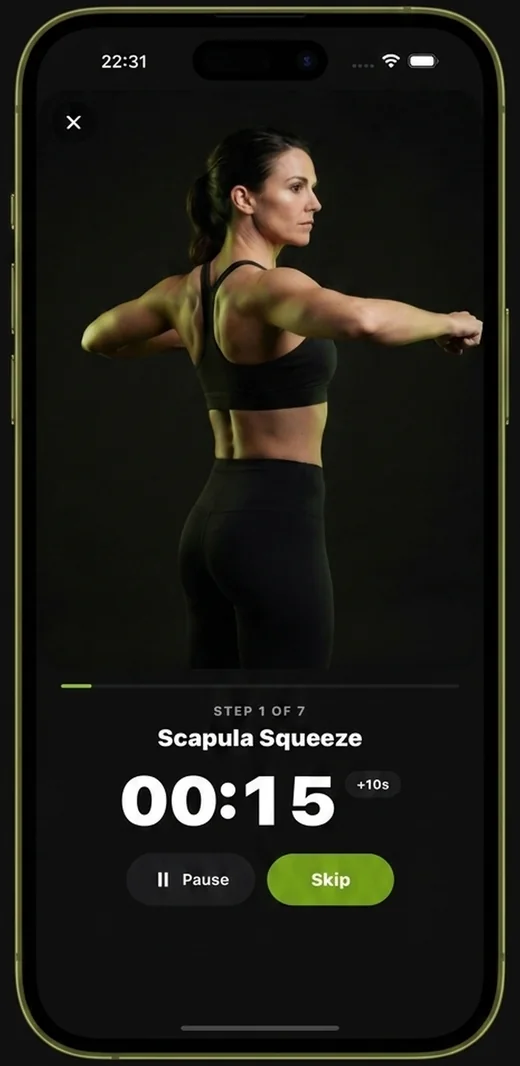
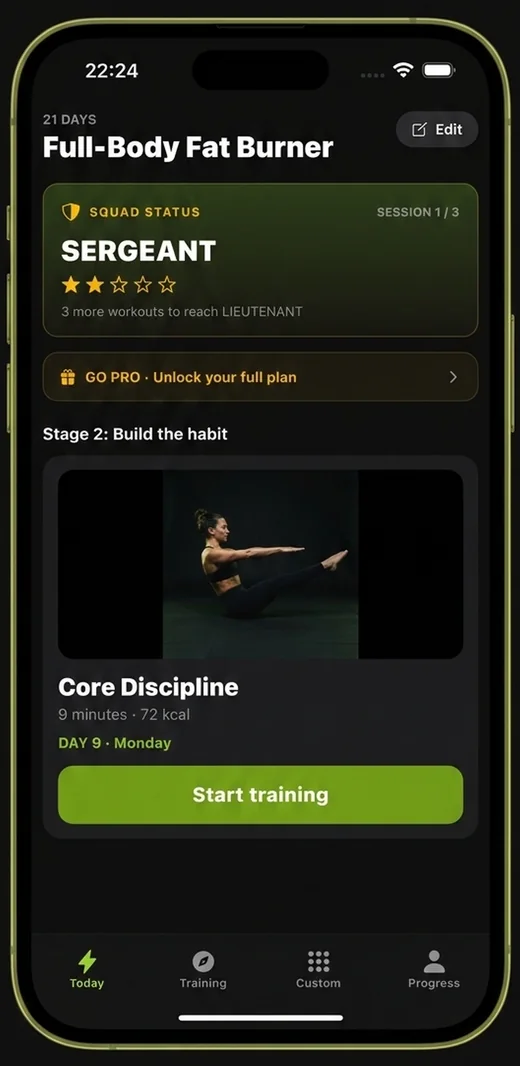
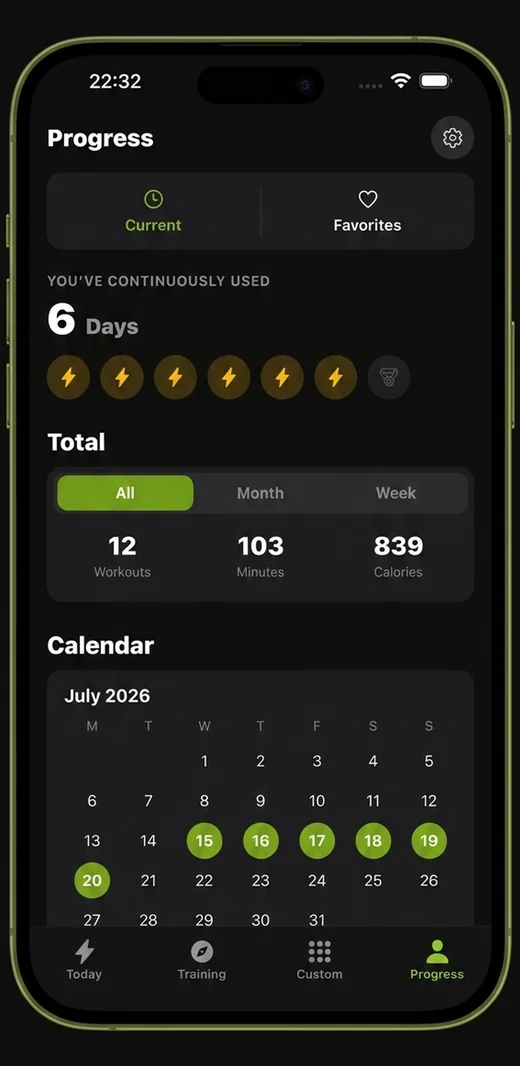
Everything on this site, built into a pocket coach. Military Calisthenics Coach turns the standards into a daily session you can run in a barracks, a garage or a hotel room — timed, tracked and scaled to you.
- A 21-day program that adapts to your level
- Guided timed sessions — no counting, no guessing
- Ranks, streaks and progress you can actually see

The Marine Corps PFT remains one of the most reliable benchmarks for assessing raw functional strength, requiring athletes to execute strict pull-ups, planks, and a timed run. Whether you are aiming for enlistment or simply want to understand what military fitness test standards look like, the primary requirement is not genetic talent but ruthless consistency in your movement patterns. Mastering this test requires an honest assessment of your current physical baseline, followed by a disciplined progression that prioritizes strict form over repetition volume.
The Anatomy of the Marine Corps PFT
The test is composed of three specific events designed to measure upper body strength, core endurance, and aerobic capacity. Unlike some fitness standards that allow for “fast and loose” repetitions, the USMC expects absolute lockout on pull-ups and perfect postural alignment during the plank. If your chin does not break the plane of the bar, the rep does not count. If your hips sag during the plank, the clock stops. You must train with the mindset that if the movement is not technically perfect, it is effectively zero reps.
To understand how these protocols differ from other branches, such as the air force pt test or the army combat fitness test, you should familiarize yourself with military fitness test standards. The key differentiator here is the focus on relative strength—moving your own body weight through space—which is the foundation of what military calisthenics is.
Pull-Ups: The Gold Standard
The pull-up event is often the most significant hurdle for beginners. It demands grip strength, scapular retraction, and high-level latissimus dorsi engagement. If you are currently struggling to reach a single clean rep, do not force low-quality repetitions. Instead, utilize the dead-hang to strict pull-up progression.
To build volume, implement the “grease the groove” method: perform sets of 50% of your current max repetitions throughout the day, ensuring every single rep is executed with a full dead hang at the bottom and a clean chin-over-bar finish at the top. Never sacrifice range of motion for speed. If you are training at home, consider installing quality calisthenics bars to ensure you have consistent access to the apparatus.
Building Core and Push-Up Endurance
While the current iteration of the test emphasizes the plank for core endurance, push-ups remain a vital component of upper-body conditioning. Beginners often make the mistake of flaring their elbows at 90 degrees; instead, keep your elbows tucked at a 45-degree angle to the torso. This protects the shoulder joint and recruits the chest and triceps more efficiently. For those needing a systematic approach to increasing volume, follow a structured push up progression to build capacity without repetitive strain.
For core work, avoid excessive crunches. The plank requires full-body tension—glutes squeezed, quads locked, and core braced as if expecting a punch. If you find your planks lacking, supplement your training with a dedicated calisthenics core workout.
6-Week Progressive Build-Up Plan
This schedule is designed to build volume safely. Perform this routine three times per week, with at least one rest day between sessions. Adjust the intensity based on your ability to maintain perfect form.
| Week | Pull-up Goal (Total Volume) | Plank Time (Cumulative) | Push-up Sets (to failure) |
|---|---|---|---|
| 1 | 15 reps | 3 x 45s | 3 |
| 2 | 20 reps | 3 x 60s | 3 |
| 3 | 25 reps | 3 x 75s | 4 |
| 4 | 30 reps | 3 x 90s | 4 |
| 5 | 35 reps | 3 x 10⁵s | 5 |
| 6 | 40 reps | 3 x 120s | 5 |
For those who prefer a more comprehensive approach, this plan works well when integrated into the 8-week military calisthenics workout plan. Always ensure you have performed a proper calisthenics warm up routine before attempting maximal effort sessions.
Training for the Long Term
Military training is not about short-term peaks; it is about sustained, repeatable readiness. As you progress, do not neglect calisthenics leg workout sessions. While the PFT focuses heavily on the upper body and core, a strong posterior chain is essential for the run event. Incorporate hill sprints or intervals once per week to build the aerobic engine required for a high score. If you find yourself limited by gear, remember that you can replicate most intensity requirements using the 20-minute no-gear barracks workout.
Frequently asked questions
How many pull-ups should a beginner aim for?
Most beginners should focus on achieving one clean, strict repetition before chasing high volume. Prioritize dead-hang strength and scapular pull-ups until you can pull your chin above the bar without using momentum or kipping.
Can I train for the PFT using only home equipment?
Absolutely, provided you have a stable pull-up bar. The most effective way to train is to prioritize calisthenics at home by focusing on volume and strict tempo rather than complex gym machinery.
What is the most common reason for failing the PFT?
Failure typically occurs due to poor form, specifically failing to lock out the elbows on pull-ups or failing to maintain a rigid plank posture. Adopting a mindset of strict standard adherence in every single training rep is the only way to ensure success under testing conditions.
How often should I test my PFT score?
Do not test your maximal performance more than once every four to six weeks. Frequent maximal testing leads to neural fatigue and potential injury; instead, track your progress through the weekly training volume outlined in the build-up plan.