A 10-Minute Calisthenics Warm Up Routine for Military Readiness
Master this 10-minute calisthenics warm up routine designed to prime your joints, prevent injury, and improve your performance before any bodyweight session.

Military Calisthenics Coach
Take the drill with you
Everything on this site, built into a pocket coach. Military Calisthenics Coach turns the standards into a daily session you can run in a barracks, a garage or a hotel room — timed, tracked and scaled to you.
- A 21-day program that adapts to your level
- Guided timed sessions — no counting, no guessing
- Ranks, streaks and progress you can actually see

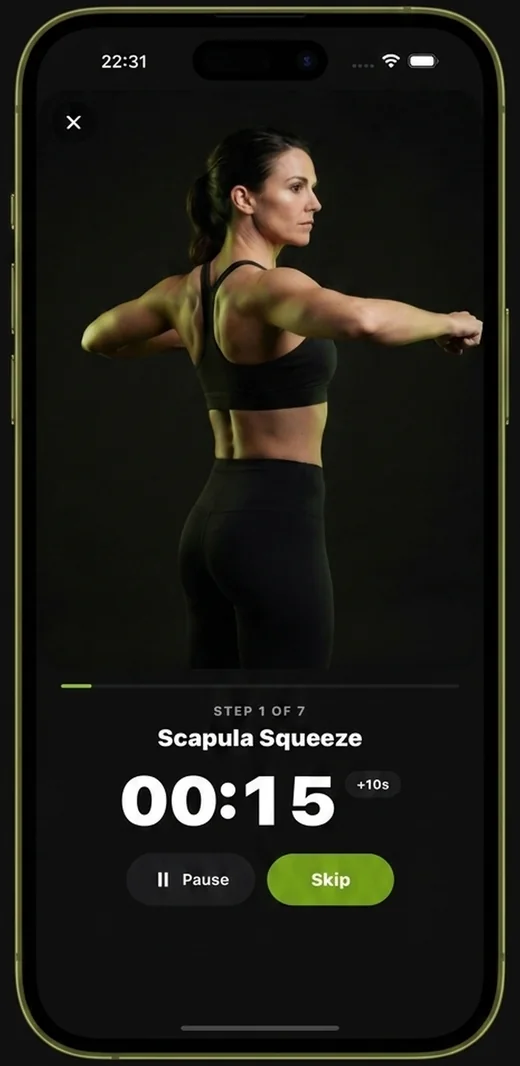
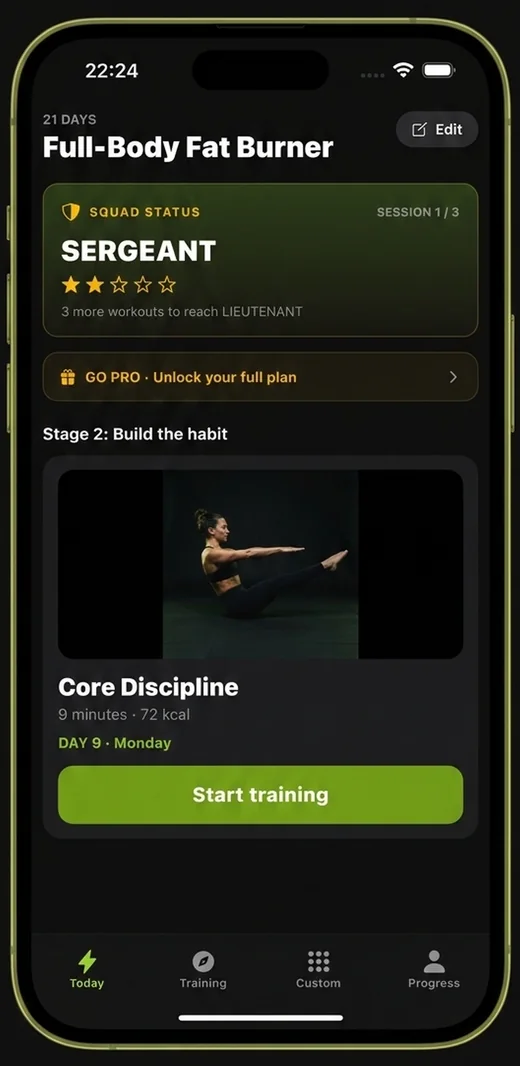
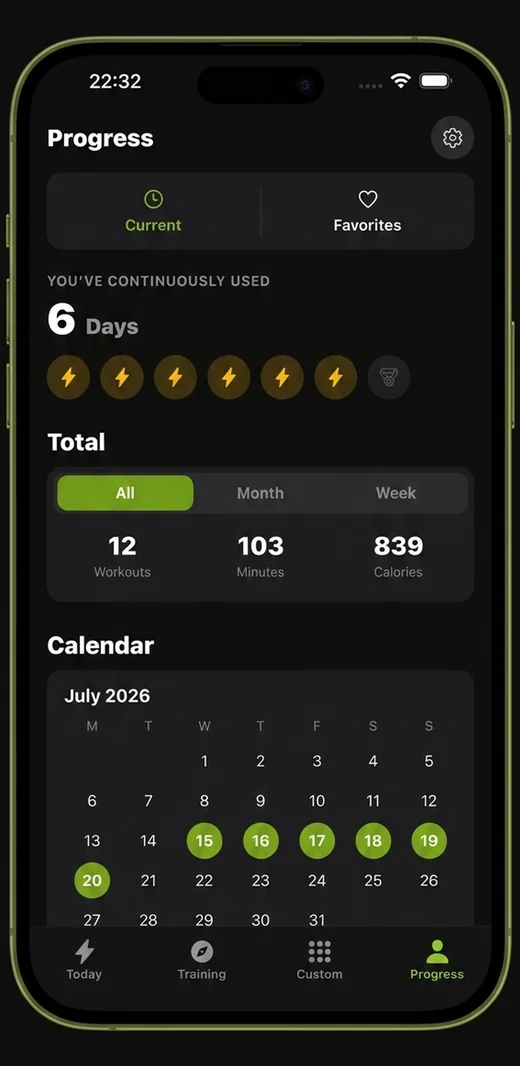
A structured calisthenics warm up routine is the difference between a high-performing trainee and an injury-prone individual. In a military environment, preparation is never optional; it is a tactical necessity to ensure that every muscle group is primed for output before the physical demand begins. By dedicating ten minutes to systematic mobility and activation, you prepare your central nervous system to handle the high-tension movements found in the 8-week military calisthenics workout plan. This approach prevents ‘cold starts’ that lead to strained shoulders or nagging wrist pain, ensuring you maintain the consistency required to build genuine physical strength.
The Anatomy of a Military Warm Up
Military physical training (PT) typically follows a logical flow: mobility to lubricate the joints, activation to ‘wake up’ the stabilizers, and specific rehearsal to prime the nervous system. When performing calisthenics at home, beginners often skip this process, jumping straight into heavy sets. This is a primary failure point. A proper warm up should be progressive, starting with low-intensity, rhythmic movements and ending with high-intensity rehearsal reps. If you are struggling with form, refer to what military calisthenics is to understand the baseline standards we expect of every trainee.
Phase 1: Joint Lubrication (3 Minutes)
The goal here is synovial fluid production. If your joints don’t move well, your muscles cannot exert force safely. Spend 60 seconds on each of these movements.
- Neck Rotations: Slow, controlled circles. Do not snap the neck; keep the range of motion fluid. 15 seconds clockwise, 15 seconds counter-clockwise.
- Wrist Circles and Stretches: This is critical for any upper body calisthenics session. Place palms together and press, then interlace fingers and roll the wrists. 30 seconds of rolling.
- Arm Circles: Extend arms to the side, palms down. Perform small, tight circles, gradually increasing size. 30 seconds forward, 30 seconds backward.
Scaling Tip: If you have limited shoulder mobility, do not force the range of motion. Keep your hands slightly lower than shoulder height until you feel the joint loosen.
Phase 2: Dynamic Activation (4 Minutes)
Once the joints are fluid, you must activate the primary movers. These movements increase heart rate and core temperature. Perform these with deliberate tension.
| Movement | Repetitions | Focus Point |
|---|---|---|
| Bodyweight Squats | 20 | Break parallel, heels flat |
| Bird-Dogs | 10 per side | Rigid spine, control the limb |
| Cat-Cow Stretch | 10 total | Maximum arch and rounding |
| Plank-to-Down Dog | 8 transitions | Push through the palms |
Coach’s Note: The Plank-to-Down Dog is essential for those preparing for the dead-hang to strict pull-up progression. It stretches the lats and lats-to-shoulder connection, which is often a source of tightness in new trainees.
Phase 3: Movement Specific Priming (3 Minutes)
The final phase is about teaching your body the specific movement patterns you are about to perform. If you are training a push-focused day, use this time to scale your intensity. For example, if you are doing deep push-ups, perform 10 incline push-ups against a wall or counter to practice perfect scapular retraction.
This is not a workout; it is a rehearsal. If you are doing a calisthenics chest workout, perform 10 push-ups at 50% effort. Focus entirely on the mind-muscle connection. If you feel a ‘click’ or ‘catch’ in a joint, spend an extra 30 seconds on static mobility before loading the movement with your full body weight.
Standards-Driven Warm Up Protocols
Military training relies on measurable standards. When performing your warm up, track the time. A warm up that takes 30 minutes is a workout; a warm up that takes 3 minutes is likely insufficient. Aim for the 10-minute window every single session.
Checklist for Success:
- Are my joints pain-free through the full range of motion?
- Is my heart rate slightly elevated (light sweat)?
- Can I execute the first set of my main movement with perfect form?
If you answer ‘no’ to any of these, adjust your calisthenics mobility exercises to focus on the specific joint that feels restrictive. Never ignore a pain signal—adapt your warm up intensity until your body is ready to perform.
Frequently asked questions
How many minutes should a calisthenics warm up last?
A standard military-style warm up should last between 8 to 12 minutes. This provides enough time to increase body temperature and joint mobility without fatiguing the energy systems required for your main training sets.
Can I skip the warm up if I am short on time?
You should never skip the warm up if you intend to train at a high intensity. If you are severely pressed for time, shorten your main workout and keep at least 5 minutes of basic mobility to ensure you don’t compromise your long-term joint health.
What is the most important part of the warm up?
The most important part of any calisthenics warm up is joint lubrication and blood flow to the connective tissues. Focusing on the wrists, shoulders, and hips will provide the highest return on investment for injury prevention during bodyweight training.
How do I warm up for heavy movements like pull-ups?
For heavy pulling movements, incorporate active hangs and scapular retractions into your warm up. Start with 30 seconds of dead-hanging, followed by 10 slow scapular pull-ups to prepare your shoulder blades and lats for the heavy load.