Essential Calisthenics Mobility Exercises for Beginners
Master your movement with these beginner calisthenics mobility exercises. Reduce injury risk, improve range of motion, and build a foundation for strength.

Military Calisthenics Coach
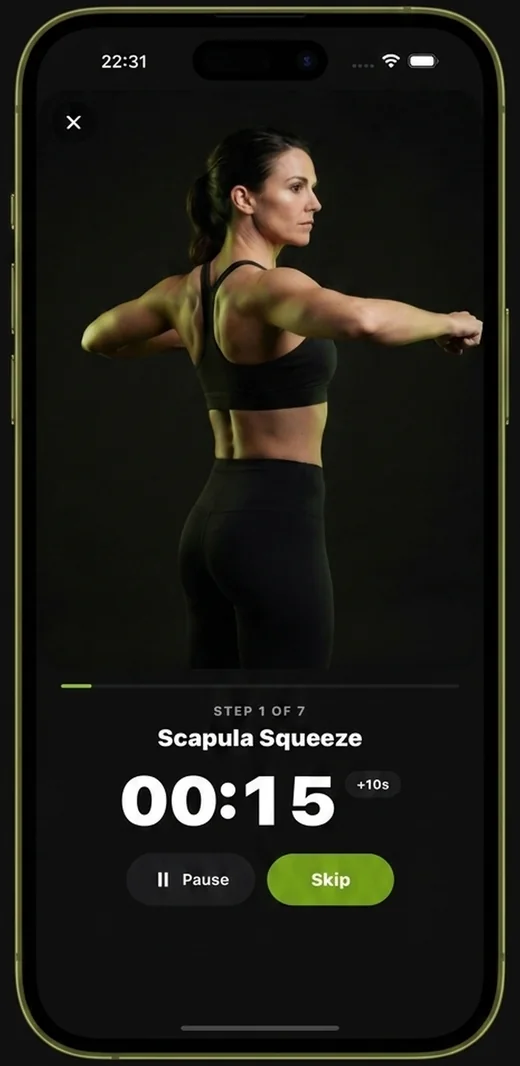
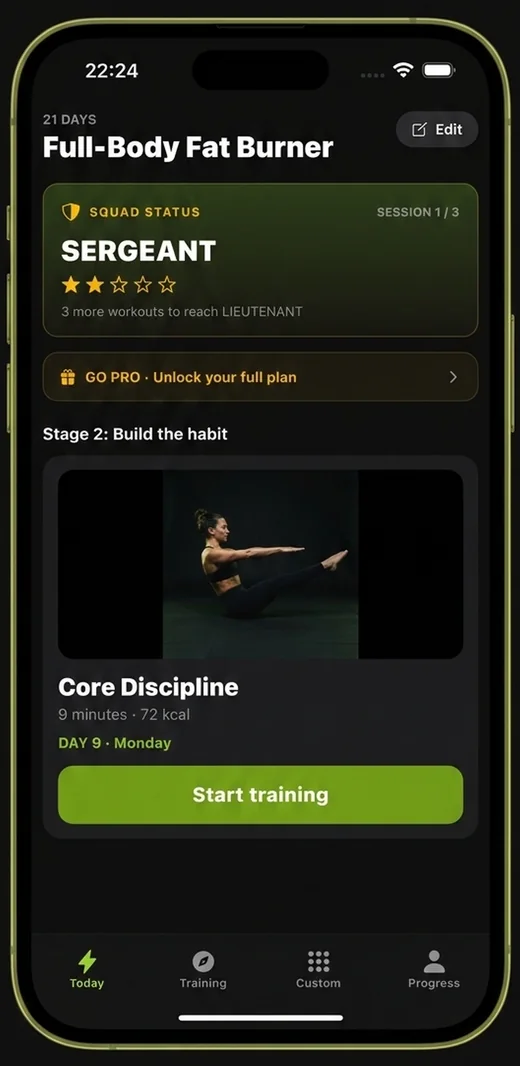
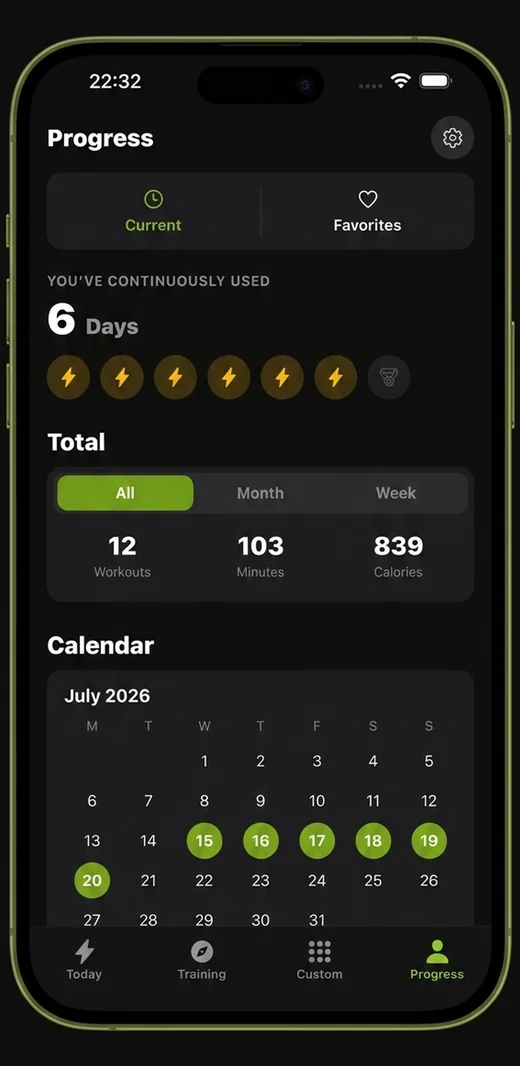
Take the drill with you
Everything on this site, built into a pocket coach. Military Calisthenics Coach turns the standards into a daily session you can run in a barracks, a garage or a hotel room — timed, tracked and scaled to you.
- A 21-day program that adapts to your level
- Guided timed sessions — no counting, no guessing
- Ranks, streaks and progress you can actually see

Calisthenics mobility exercises are the mandatory foundation for any trainee looking to execute bodyweight movements with military precision and structural integrity. Many beginners focus entirely on intensity—how many push-ups they can grind out or how long they can hang from a bar—while neglecting the joint health required to maintain those positions under load. In the armed forces, physical training is not just about muscle; it is about joint longevity and the capacity to move through a full range of motion under tension. If you cannot comfortably sit into a deep squat or lock out your elbows in a standard push-up without pain, your performance will plateau. This guide details a 10-minute daily routine to ensure your wrists, shoulders, hips, and ankles are ready for the demands of bodyweight training.
The Military Standard for Joint Health
Military physical readiness programs, such as those outlined in US Army FM 7-22, emphasize preparatory drills that increase body temperature and joint range of motion before higher-intensity efforts. The philosophy is simple: a joint that is stiff or restricted acts as a weak link. When you start your journey into calisthenics for beginners, you are asking your body to support its own weight in unconventional vectors. If your ankles are restricted, your squat depth will suffer. If your wrists cannot handle extension, your push-ups will be limited by discomfort rather than muscular fatigue. Treating mobility as a separate, non-negotiable drill is the first step toward becoming a disciplined athlete.
Wrist Mobility: The Foundation of Pushing
Wrist pain is the most frequent complaint among beginners attempting push-ups or handstand holds. You must condition your connective tissue to handle the weight shift.
- Wrist Circles: Perform 20 rotations clockwise and counter-clockwise daily.
- Palm Extensions: From a kneeling position, place palms flat on the floor with fingers pointing toward your knees. Lean back gently until you feel a stretch in the forearms. Hold for 30 seconds.
Ensure your weight is distributed across the entire palm, not just the base of the wrist. If you are struggling with standard movements, you may want to look at our push up progression to ensure you are scaling correctly while building wrist tolerance.
Shoulders and Upper Back Integration
Your shoulders are the primary hinge for almost every vertical and horizontal pull or push exercise. Tight pectorals and rounded upper backs, often caused by modern sedentary habits, prevent you from achieving a proper overhead lockout.
- Band Pull-Aparts (or active scapular retractions): Standing with arms straight, squeeze your shoulder blades together. Do 3 sets of 15 repetitions.
- Overhead Wall Slides: Stand with your back against a wall. Keep your heels, glutes, upper back, and head in contact with the wall. Move your arms up and down like a snow angel, keeping elbows and wrists touching the wall the entire time.
This movement is critical for preparing your body for a handstand push up progression. If your shoulders do not have the required clearance, you will compensate with your lower back, leading to potential injury rather than strength gains. Learn more about how these structures function in calisthenics shoulder workout.
Hips and Ankles: Your Base of Support
Functional strength begins with lower body mechanics. Whether you are doing simple bodyweight squats or preparing for ruck-ready conditioning, hip and ankle mobility determines your efficiency.
- Deep Squat Hold: Lower yourself into the bottom of a squat. Keep your heels flat. Use a pole or a doorway for balance if necessary. Hold for 60 seconds.
- Ankle Dorsiflexion Stretch: Place your foot against a wall or heavy post. Drive your knee forward toward the wall without lifting your heel. This ensures your shin can travel forward, which is essential for squat depth.
| Exercise | Duration/Reps | Purpose |
|---|---|---|
| Wrist Circles | 20 per side | Prepare connective tissue |
| Palm Extensions | 30 seconds | Relieve forearm tension |
| Wall Slides | 15 reps | Scapular stability |
| Deep Squat Hold | 60 seconds | Ankle and hip opening |
| Cossack Squats | 10 per side | Lateral hip mobility |
Implementing a 10-Minute Routine
Consistency is the only metric that matters. Incorporate these exercises as part of your warm-up. If you are struggling to build a balanced program, refer to the 8-week military calisthenics workout plan to understand how to integrate these mobility drills into your broader training cycle. Always perform these movements slowly. Mobility is not about bouncing into a position; it is about controlled, intentional movement toward your end range.
Frequently asked questions
How many times a week should I perform beginning mobility exercises for calisthenics?
Perform these drills daily, ideally as part of your morning routine or as a warm-up before your primary training session. Consistency is more important than duration; 10 minutes of daily work is significantly more effective than one hour once a week.
Can I do these mobility exercises if I have pre-existing joint pain?
If you experience sharp or shooting pain, stop immediately and consult a professional. These exercises are designed for the stiffness and discomfort associated with a sedentary lifestyle, not for rehabbing acute joint injuries or structural damage.
How long does it take to see improvements in flexibility?
Most trainees see noticeable improvements in joint range of motion within 4 to 6 weeks of consistent, daily application. Keep a log of your progress, such as measuring how much closer your knees get to the wall during ankle stretches or how much deeper you can squat.
What is the best time of day to work on mobility?
While mobility can be practiced anytime, the most effective time for a beginner is either immediately upon waking to reduce stiffness or as a specific warm-up before starting your main calisthenics workout chart. Warming up the muscles slightly with light movement before stretching can help improve the efficacy of your sessions.