The Ultimate Calisthenics Leg Workout for Military Strength
Master this no-gear calisthenics leg workout designed to build combat-ready power, endurance, and durability without needing a single barbell or squat rack.

Military Calisthenics Coach
Take the drill with you
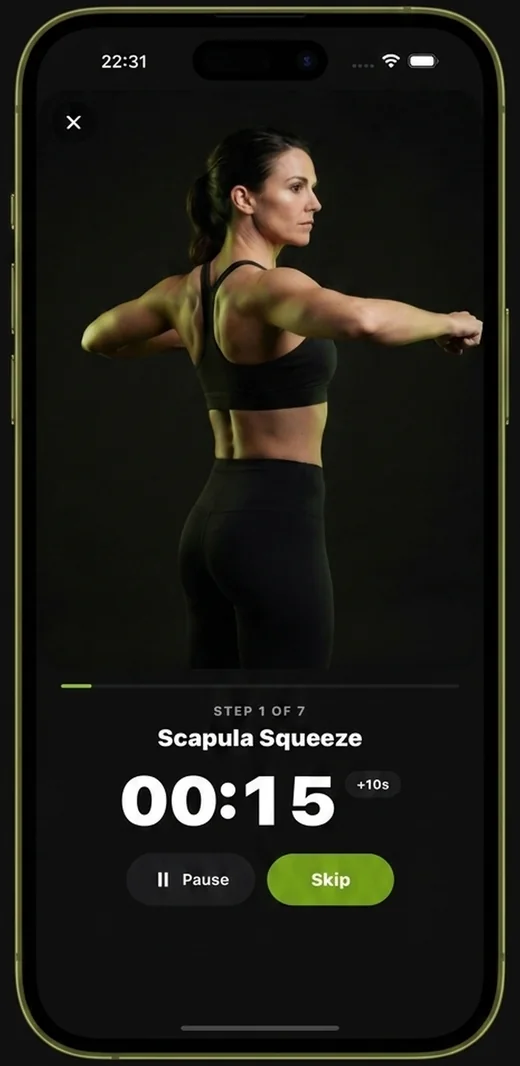
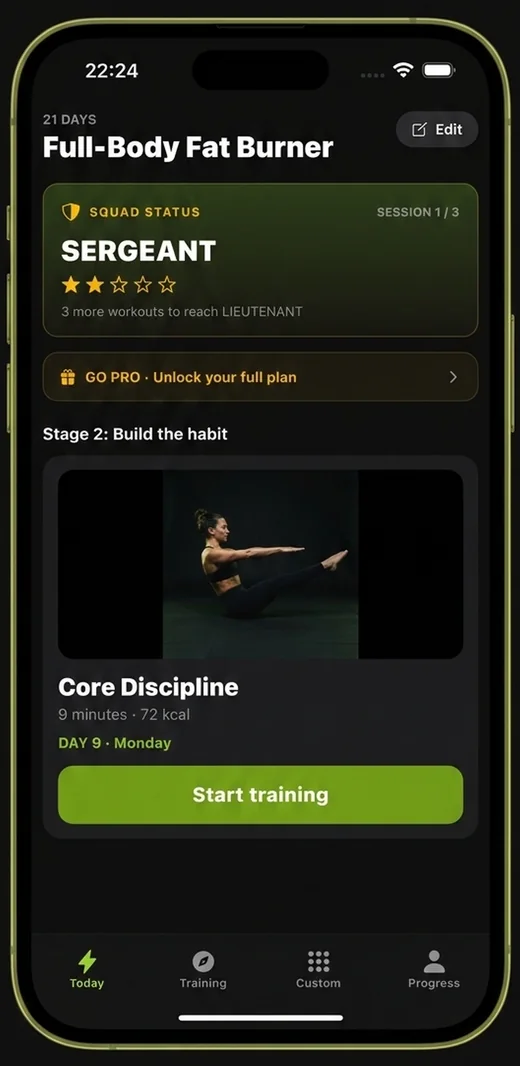
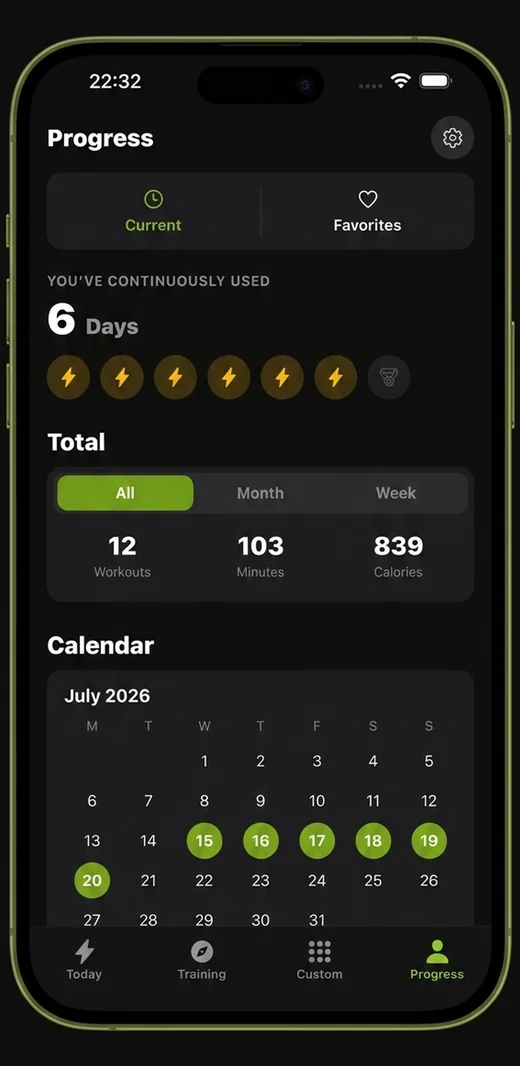
Everything on this site, built into a pocket coach. Military Calisthenics Coach turns the standards into a daily session you can run in a barracks, a garage or a hotel room — timed, tracked and scaled to you.
- A 21-day program that adapts to your level
- Guided timed sessions — no counting, no guessing
- Ranks, streaks and progress you can actually see

A potent calisthenics leg workout is the backbone of any soldier’s physical readiness, providing the explosive power and muscular endurance required to haul heavy gear across rugged terrain without the need for expensive gym equipment. When you remove the barbell from the equation, you are forced to rely on movement quality, time under tension, and unilateral challenges that replicate the chaotic demands of real-world tactical environments. Whether you are training in a barracks room, a park, or a remote deployment zone, your legs are your primary engine. By mastering the fundamentals of bodyweight squats, lunges, and plyometric movements, you develop a level of functional strength that stabilizes your joints, strengthens your connective tissue, and prepares you for the rigors of military service.
The Philosophy of Bodyweight Leg Training
In the military, we prioritize utility over aesthetics. Traditional bodybuilding focuses on isolation, but the tactical athlete needs synergy. When you engage in a rigorous calisthenics leg workout, you are training your body to function as a single, cohesive unit. You are not just building quadriceps; you are training your glutes, hamstrings, calves, and core to stabilize your body against external resistance, such as a ruck or a weapon system.
If you are just starting your fitness journey, you should review calisthenics for beginners to build your foundational movement patterns before diving into advanced unilateral work. The key to military training is progressive overload—doing more over time, whether that means more reps, shorter rest periods, or increased difficulty in the range of motion.
Essential Movements for Combat Power
To build a robust lower body, you must cover three domains: strength, explosivity, and endurance.
1. The Air Squat (Foundation)
Start with perfect form. Feet shoulder-width apart, chest tall, drive your hips back and down. Ensure your knees track over your toes. If your heels lift, improve your ankle mobility before adding volume.
2. Forward and Reverse Lunges
Lunges are the quintessential tactical movement. They mimic the act of stepping over obstacles or climbing stairs under load. Focus on creating a 90-degree angle at both knees and pushing back to the starting position with your lead heel.
3. Step-Ups
Use a sturdy park bench or a concrete step. This movement isolates each leg and builds incredible hip stability. When stepping up, drive through the heel and ensure your glute does the heavy lifting rather than your lower back.
4. Jump Squats (Explosivity)
This is where you build the snap required for agility. Explode upward from the bottom of your squat and land softly. Soft landing is non-negotiable; it prevents injury and builds the eccentric control required for ruck marches.
5. Pistol Squat Progressions
The king of all bodyweight leg movements. Start by holding onto a doorway for balance, performing ‘assisted pistols.’ Once you can do 10 per leg, start removing the support. This requires significant mobility and core integration, which you can further sharpen by adding a calisthenics core workout to your weekly routine.
Your 4-Week Progression Plan
Consistency is the hallmark of professional training. Use this table to manage your volume. Perform this routine 2–3 times per week, ensuring at least one day of rest between sessions.
| Week | Air Squats | Lunges (Total) | Jump Squats | Step-Ups (Total) | Pistol Progressions |
|---|---|---|---|---|---|
| 1 | 3 x 20 | 3 x 16 | 3 x 10 | 3 x 20 | 3 x 4 (assisted) |
| 2 | 4 x 20 | 3 x 20 | 4 x 10 | 3 x 24 | 3 x 6 (assisted) |
| 3 | 4 x 25 | 4 x 16 | 4 x 12 | 4 x 20 | 3 x 8 (assisted) |
| 4 | 5 x 25 | 4 x 20 | 5 x 12 | 4 x 24 | 3 x 5 (unassisted) |
Integrating Lower Body Training into Your Schedule
While your legs are critical, they cannot be trained in isolation. You need to combine this session with upper body movements. If you are struggling with your overall structure, check out the 8-week military calisthenics workout plan for a complete picture of how to balance your training.
Recovery is part of the work. If you find your legs feeling heavy, lower the volume and prioritize active recovery. Tactical athletes often overlook the importance of tendons and ligaments. Bodyweight movements naturally strengthen these structures over time, but you must respect the process. Never train to total failure every single day, as it will impede your ability to perform during tactical training or active duty requirements.
Mastering the Pistol Squat
Many soldiers plateau because they skip the progressions. The pistol squat is not just about strength; it is a display of balance and flexibility. If you are stuck, try training your static mobility. Spend five minutes a day in the bottom of a deep squat position. This helps open up your hips and ankles, making the descent and ascent of the pistol squat much smoother. Remember, if you want a complete body approach, ensure you are also focusing on upper body movements like push up progression to ensure your total tactical readiness remains balanced.
Frequently asked questions
How often should I train legs?
For the best results in a military-style program, train legs two to three times per week. This provides enough stimulus for growth while allowing your muscles to repair themselves before your next high-intensity training session or ruck march.
Can I gain muscle mass without weights?
Absolutely. By using tempo training—taking three seconds to lower into your squat and exploding up—you increase the time under tension significantly. This stimulates hypertrophy just as effectively as external load in the early and middle stages of training.
Should I train legs before or after my cardio?
If your goal is maximum strength and explosivity, train your legs first when your energy stores are full. If you are training for endurance, such as preparing for a long-distance run or ruck, perform your calisthenics leg session after your primary cardio movement to improve your muscular endurance under fatigue.
What do I do if my knees hurt?
First, verify your form. Most knee pain in bodyweight training comes from incorrect tracking or landing heavily during jumps. If your form is solid, reduce your volume and focus on eccentric movements, like lowering slowly into a squat, to strengthen the muscles surrounding the knee joint.