Mastering the Police Academy Workout: A Standards-Based Guide
Prepare for your police academy workout with this no-nonsense 8-week plan. Master the push-ups, sit-ups, and run times needed to succeed in law enforcement.

Military Calisthenics Coach
Take the drill with you
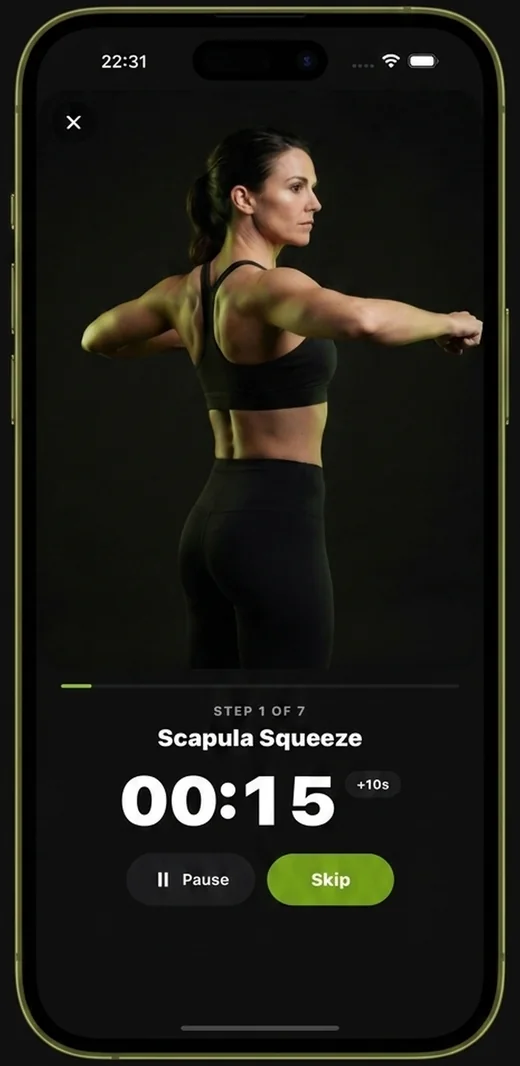
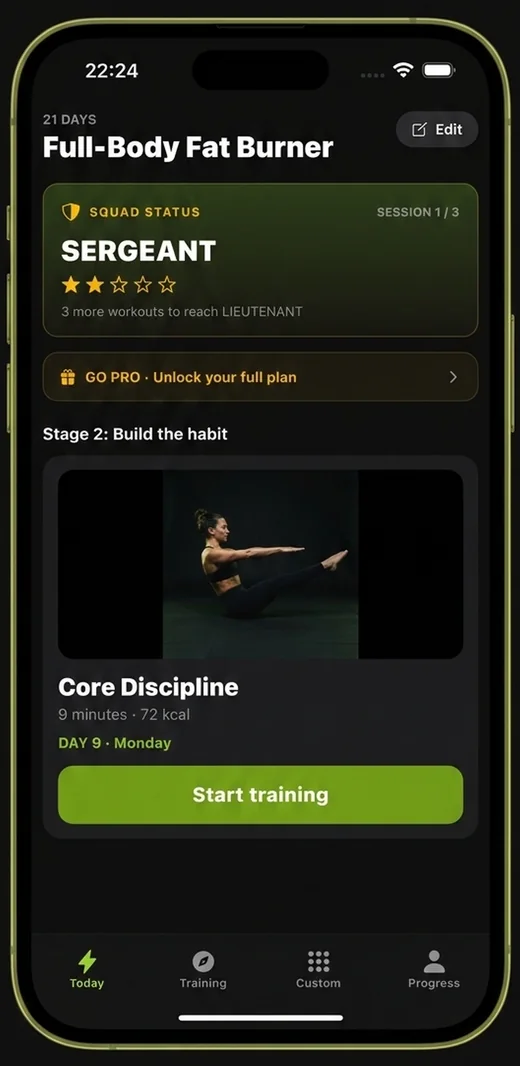
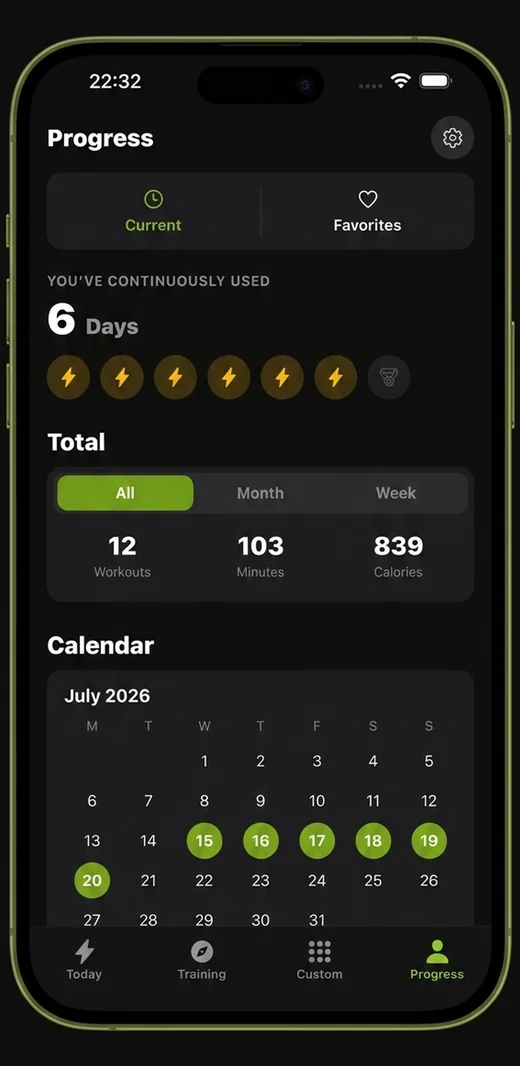
Everything on this site, built into a pocket coach. Military Calisthenics Coach turns the standards into a daily session you can run in a barracks, a garage or a hotel room — timed, tracked and scaled to you.
- A 21-day program that adapts to your level
- Guided timed sessions — no counting, no guessing
- Ranks, streaks and progress you can actually see

A successful police academy workout requires a transition from general fitness to task-specific capacity. Passing a physical agility or fitness test is your first hurdle in law enforcement, but the true goal is building the durability to handle daily duty. You must approach your training with the same systematic focus as military fitness test standards, where consistency and technical proficiency override intensity for intensity’s sake. Whether you are prepping for a local department or a federal agency, you need to master four primary pillars: upper-body pushing power, core stability, cardiovascular endurance, and explosive leg capacity.
Understanding the Core Requirements
Most agencies utilize a standardized battery of physical events. While specific scoring tables vary by department—always consult your recruitment packet—the fundamental test events rarely change. Most applicants fail not because of a lack of effort, but because they train in a vacuum without understanding movement standards.
- Push-ups: Chest must touch the deck, full lockout at the top. No sagging hips.
- Sit-ups (or Plank): Maintain strict time-under-tension or repetition counts.
- 1.5-Mile Run: This tests your aerobic threshold and ability to maintain pace under fatigue.
- Agility Run: Often an “Illinois Agility” or similar “shuttle” style sprint that tests change of direction and deceleration.
For a solid foundation in movement patterns, review calisthenics for beginners to ensure your basic mechanics—like a proper push-up—are beyond reproach. If you cannot hit 20 clean reps, you are not ready for the volume required in the academy.
The 8-Week Build-Up Plan
This schedule follows a progressive overload structure. If you are struggling with volume, look into the 8-week military calisthenics workout plan for a broader template. Perform this routine three days per week with at least 48 hours of recovery between sessions.
| Week | Push-ups (Sets x Reps) | Sit-ups (Sets x Reps) | Run (Distance/Time) | Agility/Sprint Focus |
|---|---|---|---|---|
| 1-2 | 3 x 10 | 3 x 20 | 1 Mile / Easy pace | 3 x 20m shuttle runs |
| 3-4 | 4 x 12 | 3 x 25 | 1.25 Miles / Moderate | 5 x 20m shuttle runs |
| 5-6 | 4 x 15 | 4 x 25 | 1.5 Miles / Threshold | 6 x 20m + 2 x 40m |
| 7-8 | 5 x 15 | 5 x 30 | 1.5 Miles / Test pace | 8 x 20m + 4 x 40m |
For the push-ups, if you find your form breaking down, utilize push up progression to regress the movement until you can maintain perfect alignment. In a tactical environment, a sloppy rep is a “no-count” rep; train as you test.
Job-Specific Conditioning
Passing the entrance test is the baseline. The job of a police officer involves long hours of stationary work, sudden bursts of high-intensity activity, and the physical toll of wearing duty gear. You need to develop “functional resilience.” This means incorporating movements that mimic real-world stressors.
Focus on calisthenics core workout protocols to protect your lower back, as core weakness is the primary cause of service-related injuries. Furthermore, start practicing movements that incorporate “carrying” weight. If you have access to a vest, use it sparingly during your run training, but prioritize bodyweight mechanics first to avoid overuse injuries. A great way to build this endurance is through the 20-minute no-gear barracks workout, which emphasizes high-density work that keeps your heart rate elevated while challenging your muscular stamina.
Technical Tips for Test Day Success
Test day is not the time to experiment with new footwear or high-intensity interval training. You should treat the physical fitness test like a military parade: everything is rehearsed, checked, and ready.
- Warm-up: Never skip a proper calisthenics warm up routine. Cold muscles and tight joints during an agility run result in slips and wasted seconds.
- Pacing: For the 1.5-mile run, most beginners start too fast and hit a wall at the one-mile mark. Train at a steady-state cadence during your long runs to develop a “metronome” internal clock.
- Efficiency: In the sit-up, learn to use your core and hips rather than straining your neck. Keep your chin tucked.
- Recovery: Do not train heavy the 48 hours prior to the test. Focus on sleep and hydration.
Frequently asked questions
How many push-ups should I aim for before my test?
Most departments expect a minimum, but you should aim for 10-15 reps beyond the passing standard. This safety buffer accounts for nerves and the strict judging you will likely encounter on testing day.
How long should I rest between sets of push-ups during training?
For strength and endurance, rest between 60 and 90 seconds. Keeping rest periods short forces your body to adapt to the lactic acid buildup, which is exactly what you will experience during the final minute of a timed test.
Can I use weight training to supplement this routine?
Yes, but prioritize bodyweight movements first to ensure you are efficient at moving your own body mass. If you choose to lift, keep it focused on compound movements like squats and deadlifts to support your running and calisthenics performance.
What is the best way to improve my 1.5-mile run time?
Focus on two types of running: long-distance slow runs to build an aerobic base and interval sprints to improve your speed. Alternating these throughout your week will yield significantly better results than simply running the 1.5-mile distance every day.