Choosing the Right Calisthenics Bars for Military-Style Training
Master your bodyweight with the right gear. Our guide to calisthenics bars covers everything from doorway pull-up bars to heavy-duty outdoor rigs.

Military Calisthenics Coach
Take the drill with you
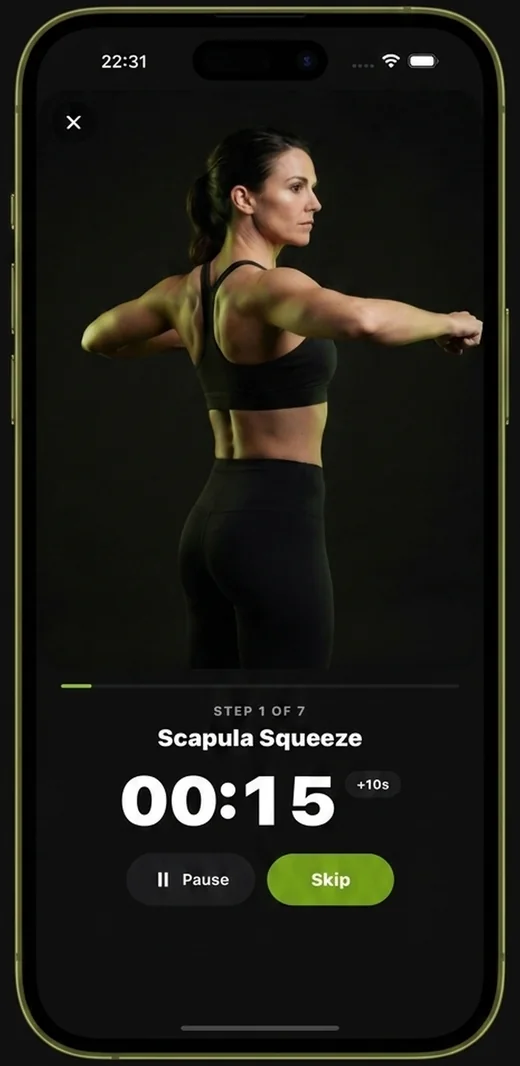
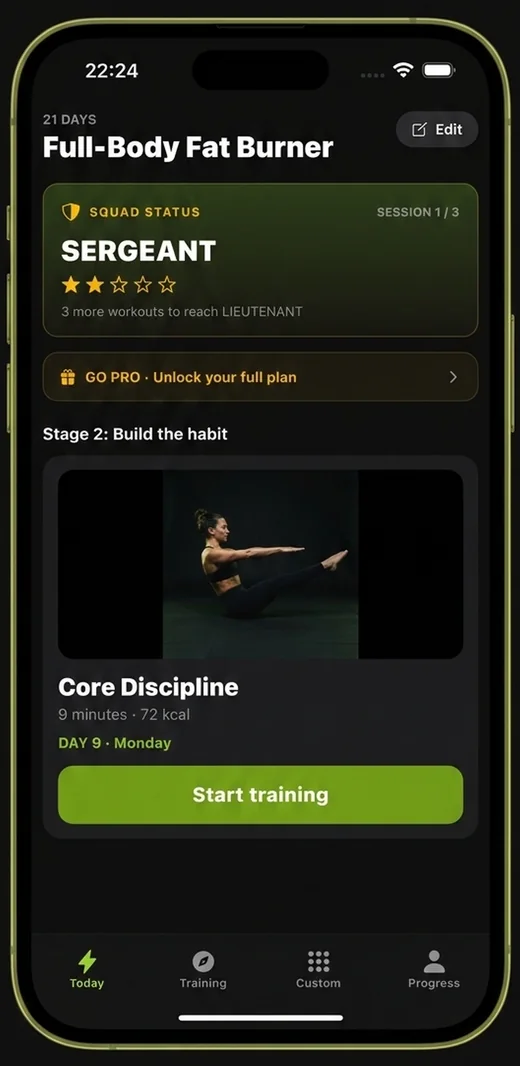
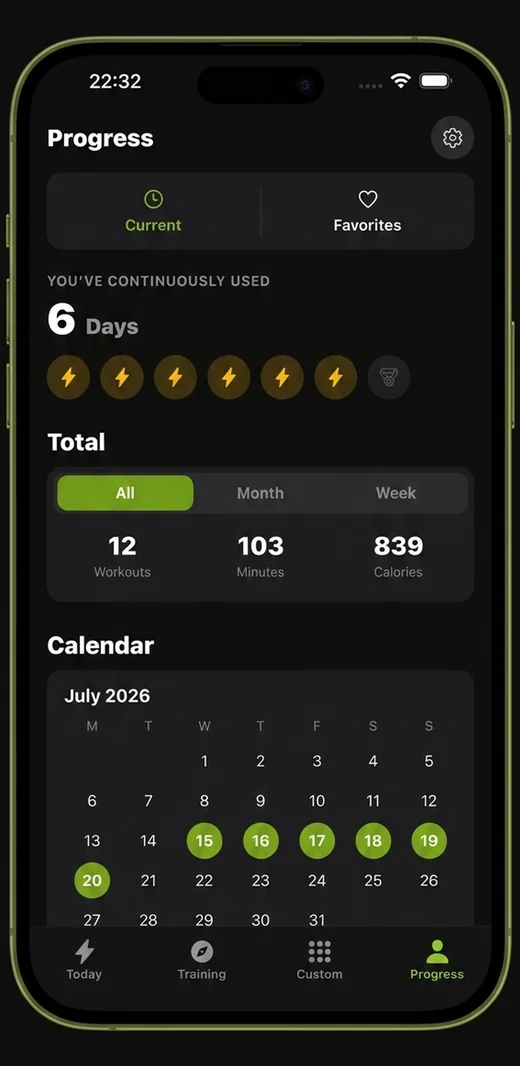
Everything on this site, built into a pocket coach. Military Calisthenics Coach turns the standards into a daily session you can run in a barracks, a garage or a hotel room — timed, tracked and scaled to you.
- A 21-day program that adapts to your level
- Guided timed sessions — no counting, no guessing
- Ranks, streaks and progress you can actually see

Selecting the correct calisthenics bars is the most critical decision for anyone committed to building functional, military-grade strength. Whether you are training for a specific physical fitness test or simply demand a higher standard of performance from your routine, a high-quality bar provides the stability and versatility required for consistent progress. Without a solid foundation, your form will suffer, leading to plateaued results and unnecessary strain. This guide breaks down exactly what you need to look for to ensure your equipment supports your goals, rather than hindering them.
Types of Calisthenics Bars
Doorway Pull-Up Bars
These are the most common entry-level bars. They typically use tension or leverage to secure themselves within a door frame. While convenient for those with limited space, they offer restricted range of motion. Because they are often low to the ground, performing strict, full-extension pull-ups may require you to tuck your knees, which can alter your core engagement. If you are starting your journey with calisthenics for beginners, these are acceptable, provided the door frame is structurally sound.
Wall-Mounted Bars
When you are ready to stop compromising on form, a wall-mounted bar is the gold standard for home training. These bolt directly into the studs, providing the rigid, immovable surface required for high-volume pull-ups and toes-to-bar work. Unlike doorway options, these allow for a clear hang. Ensure you mount these into solid wood or concrete; drywall anchors are insufficient for the load-bearing requirements of a serious athlete. Once mounted, these units are ideal for practicing the dead-hang to strict pull-up progression.
Free-Standing Dip and Pull-Up Stations
These towers provide the highest level of versatility. They usually include parallel bars for dipping and a high bar for pulling. The primary advantage here is the ability to perform dips, which are foundational to any calisthenics chest workout. Look for models with a wide base to prevent tipping during dynamic movements like kipping pull-ups or muscle-ups. If you have the floor space, this is a comprehensive choice for those who need to maintain a strict dip progression.
Outdoor Calisthenics Bars
Outdoor rigs are the closest you will get to the training environments used by armed forces during basic training. Whether located in a local park or installed in a backyard, these bars are typically thicker and more durable. If you have access to a calisthenics park, use it. The bars there are standardized for height and grip, allowing you to train with the consistency required for the 8-week military calisthenics workout plan.
Key Technical Specifications
When shopping for equipment, focus on these three metrics. Do not be swayed by marketing jargon; focus on the hardware.
- Grip Diameter: The industry standard for a pull-up bar is 1.25 inches (32mm). Anything thinner may bite into your palms; anything thicker makes grip strength the limiting factor rather than the target muscle group (back/biceps).
- Weight Rating: Do not settle for a bar rated for less than 300 lbs. Even if you weigh 150 lbs, the dynamic force generated during explosive reps significantly increases the load on the hardware.
- Mounting and Stability: If you opt for a bolt-on solution, use heavy-duty lag screws. Test the stability with a slow, controlled dead hang before attempting your first explosive repetition. If the bar shifts or creaks, it is not ready for training.
Weekly Training Progression
Integrate your bars into a structured session using the following volume metrics. This progression is designed to increase pulling endurance while maintaining form standards.
| Week | Exercise | Sets | Reps | Tempo | Rest |
|---|---|---|---|---|---|
| 1 | Dead Hang / Pull-up Negatives | 3 | 5 | 3-second descent | 90s |
| 2 | Dead Hang / Pull-up Negatives | 4 | 5 | 3-second descent | 90s |
| 3 | Strict Pull-ups | 3 | 3 | 1-second pause at top | 120s |
| 4 | Strict Pull-ups | 4 | 4 | 1-second pause at top | 120s |
Maintenance and Safety Standards
Standards are what separate a civilian workout from military physical training. If you cannot perform a movement through the full range of motion, you are not hitting the standard. Always start from a full dead hang—arms locked out—and pull until your chin clears the plane of the bar. If your gear is flimsy, you will subconsciously shorten your range of motion to avoid swinging. Regularly inspect bolts for loosening. In a field environment, we check our equipment before every iteration; do the same in your garage.
If you find yourself lacking the necessary bars for a specific session, do not skip the training. Utilize the 20-minute no-gear barracks workout as a reliable substitute until you can source adequate equipment. You can also utilize heavy furniture or low-hanging sturdy branches for rows, though these are imperfect substitutes for a dedicated steel bar.
Scaling the Difficulty
Beginners often struggle with pull-ups due to inadequate scapular strength. Use your bar to practice active hangs. Jump to the top position, hold for 10 seconds, and slowly lower yourself. This creates the neuromuscular foundation necessary for calisthenics back workout success. Stronger trainees should focus on explosive, high-bar pulls, ensuring the chest touches the bar at the apex of the movement.
Frequently asked questions
How many pull-ups should I be able to do as a beginner?
Most healthy individuals should aim for at least one strict repetition before focusing on volume. If you cannot hit one, focus exclusively on the eccentric (lowering) phase of the movement until you can perform at least 5 reps of a 3-second descent.
Can I train outdoors in the rain?
Yes, but you must prioritize safety. Moisture reduces grip friction, making slips likely. Always wipe the bar dry before starting your set and consider using chalk to improve your hold on the steel.
What is the ideal height for a pull-up bar?
Your bar should be high enough that your feet do not touch the ground when you are in a full dead-hang position. If your knees are bent, you will inadvertently engage your hip flexors, which changes the mechanics of the pull-up.
How long does a doorway bar take to install?
Most tension-mounted doorway bars take less than 5 minutes to set up. However, ensure you verify the depth of your door frame trim, as most bars are designed for standard residential frames and may not fit if your molding is unusually wide or decorative.