The Ultimate Military Calisthenics Back Workout for Raw Strength
Master your back strength with this elite calisthenics back workout. Follow our gear-free routine designed to build a powerful, functional posterior chain.

Military Calisthenics Coach
Take the drill with you
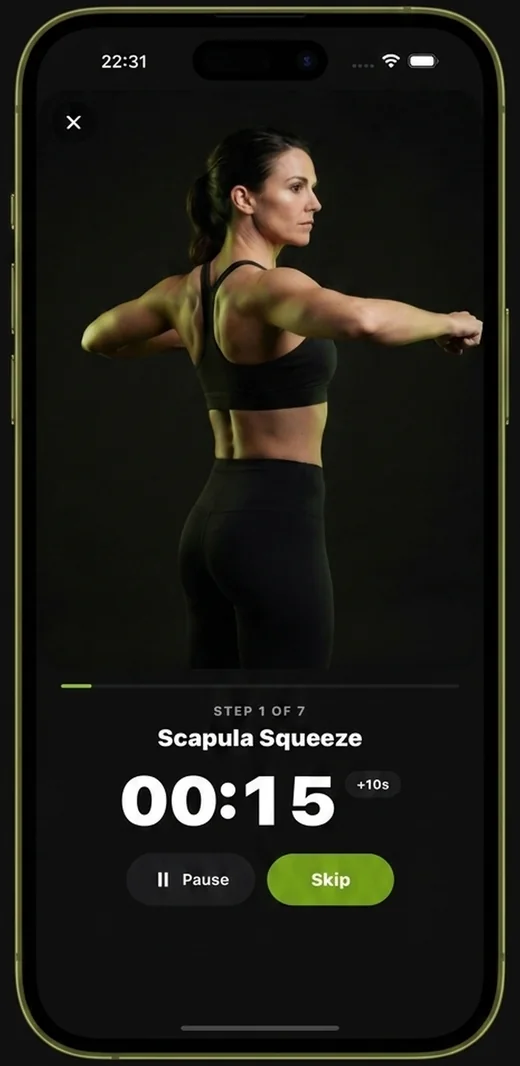
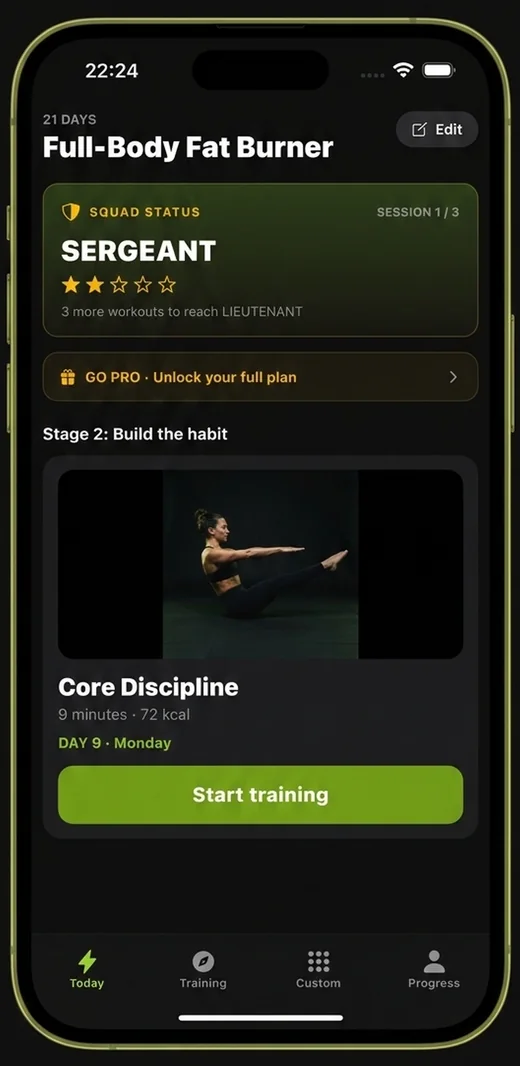
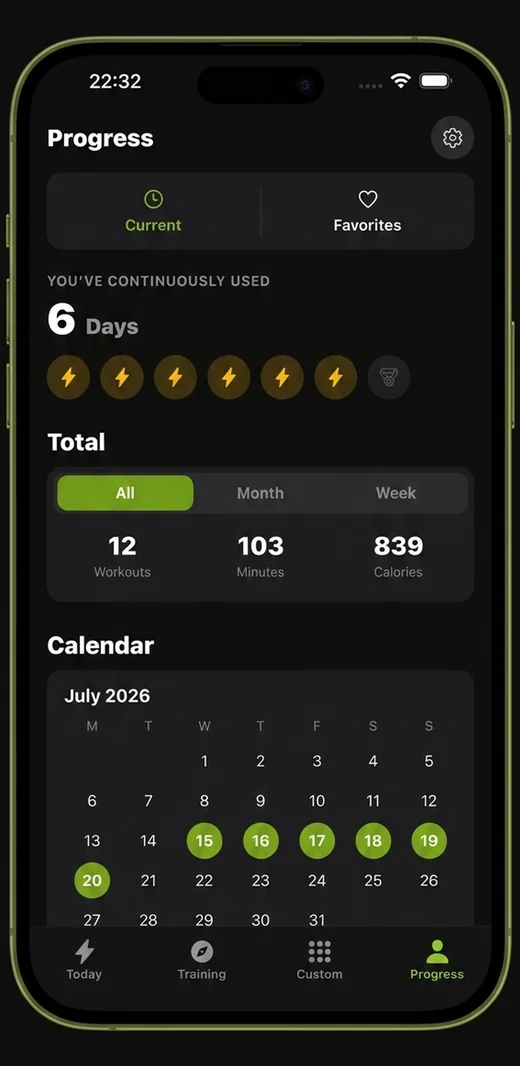
Everything on this site, built into a pocket coach. Military Calisthenics Coach turns the standards into a daily session you can run in a barracks, a garage or a hotel room — timed, tracked and scaled to you.
- A 21-day program that adapts to your level
- Guided timed sessions — no counting, no guessing
- Ranks, streaks and progress you can actually see

A proper calisthenics back workout is the cornerstone of any tactical training regimen because it develops the pulling power and structural integrity required for operational demands. In the military, your back isn’t just about aesthetics; it is the engine behind rucking, climbing obstacles, and maintaining posture under heavy load. If you are serious about building functional strength without relying on expensive gym equipment, mastering the posterior chain through bodyweight variations is your highest priority. This article provides a comprehensive guide to developing a resilient, steel-cable back using only your body weight and common environmental objects.
Understanding the Posterior Chain
The human back is a complex network of muscles, including the latissimus dorsi, rhomboids, trapezius, and the entire erector spinae group. In a military context, these muscles must work in concert to stabilize the spine and translate force from the ground to the upper limbs. Many trainees focus exclusively on push-ups, leading to rounded shoulders and imbalances. To counter this, you must prioritize vertical pulling and horizontal rowing. If you are new to this style of training, start by reviewing what military calisthenics is to understand the movement philosophy. A strong back is the best insurance policy against injury during long-distance rucks and heavy carries.
The Foundation: Scapular Health
Before you start banging out high-volume pull-ups, you must establish scapular control. Most shoulder injuries in the military stem from weak retractors and depressed scapulae. You can perform ‘scapular pull-ups’ by hanging from a bar or ledge, keeping your arms straight, and pulling your shoulder blades down and back. Perform 3 sets of 12 repetitions as a warm-up. This teaches your brain how to engage the lats before the biceps take over. If you struggle with the basics of pulling, refer to the dead-hang to strict pull-up progression to ensure your movement patterns are efficient and safe.
The Core Pillars of Your Back Workout
To build a complete back, you need to attack the muscles from multiple angles. We focus on two primary movement patterns: vertical pulls and horizontal pulls. Horizontal pulls, such as bodyweight rows, are often neglected but are essential for shoulder health. You can perform these using a low bar, a sturdy table, or even by hooking your feet under a heavy couch and pulling your chest to a broom handle suspended between two chairs.
The Tactical Routine
Perform this routine twice per week, ensuring at least 48 hours of recovery between sessions.
| Exercise | Sets | Reps | Rest |
|---|---|---|---|
| Scapular Pull-ups | 3 | 12 | 60s |
| Strict Pull-ups | 4 | To Failure | 90s |
| Bodyweight Rows | 4 | 10-15 | 60s |
| Doorway Face-pulls | 3 | 15 | 45s |
| Superman Holds | 3 | 45 sec | 30s |
For those looking for a broader approach, integrate this session into the 8-week military calisthenics workout plan. Consistency is more important than raw intensity in the early stages.
Gear-Free Options for Home and Field
One of the greatest benefits of a calisthenics back workout is its portability. In a deployment environment or at home with zero equipment, you have to get creative. If you lack a pull-up bar, search for tree limbs, rafters, or staircase rails. When absolutely no hanging points are available, leverage the ‘towel row’ method. Lie on your back, loop a towel around a vertical post or doorknob, and perform rows by pulling your body towards the anchor point.
Another critical, no-gear movement is the ‘Prone Cobra’. Lie face down, engage your glutes, and lift your chest off the ground while reaching your hands back toward your feet. This specifically targets the erector spinae and thoracic muscles, which are often the weakest links in the back chain. When you supplement this with the 20-minute no-gear barracks workout, you ensure that your posterior chain is never neglected regardless of your environment.
Progressive Overload for Long-Term Gains
Progressive overload is the secret to getting stronger without adding weight plates. Once you can perform the sets above with perfect form, you must increase the difficulty. You can do this by:
- Increasing Time Under Tension: Slow down the eccentric (lowering) phase of your pull-ups to a 3-second count.
- Reducing Rest: Cut 5-10 seconds off your rest periods every two weeks.
- Altering Leverage: Perform your bodyweight rows with your feet elevated on a chair or bench to shift more body weight to your upper back.
- Adding Volume: Move from 4 sets to 5 or 6 sets over the course of a month.
Keep track of your reps in a training log. If you are not recording your data, you are just guessing. Strength is a measurable metric, and a well-planned calisthenics core workout can also assist in stabilizing your back during these movements, providing the foundation for heavier pulls.
Frequently asked questions
How often should I train my back for maximum growth?
For most individuals, training the back 2-3 times per week is ideal. This frequency allows for sufficient stimulus while providing enough recovery time for the smaller stabilizing muscles in the shoulders and mid-back to repair themselves.
Can I build a wide back without a gym?
Absolutely. The back responds exceptionally well to bodyweight training provided you emphasize strict form and full range of motion. By focusing on pull-up variations and horizontal rows, you can build significant width and thickness in your lats and rhomboids.
What do I do if I can’t do a single pull-up?
If you cannot yet perform a strict pull-up, focus on negative repetitions (jumping up and lowering yourself slowly) and scapular hangs. Consistency with these regressions is essential to build the necessary strength to move to full repetitions.
Is this workout enough to prepare for a ruck march?
While this routine builds the necessary back strength, you should also focus on posterior chain endurance and grip strength. If you are preparing for heavy movement, consider incorporating ruck-ready conditioning to build the specific endurance required for long-distance load carriage.