Mastering the Calisthenics Park: A Military-Style Training Guide
Learn how to use a calisthenics park to build functional, combat-ready strength. Discover how to find a facility, follow proper etiquette, and execute a plan.

Military Calisthenics Coach
Take the drill with you
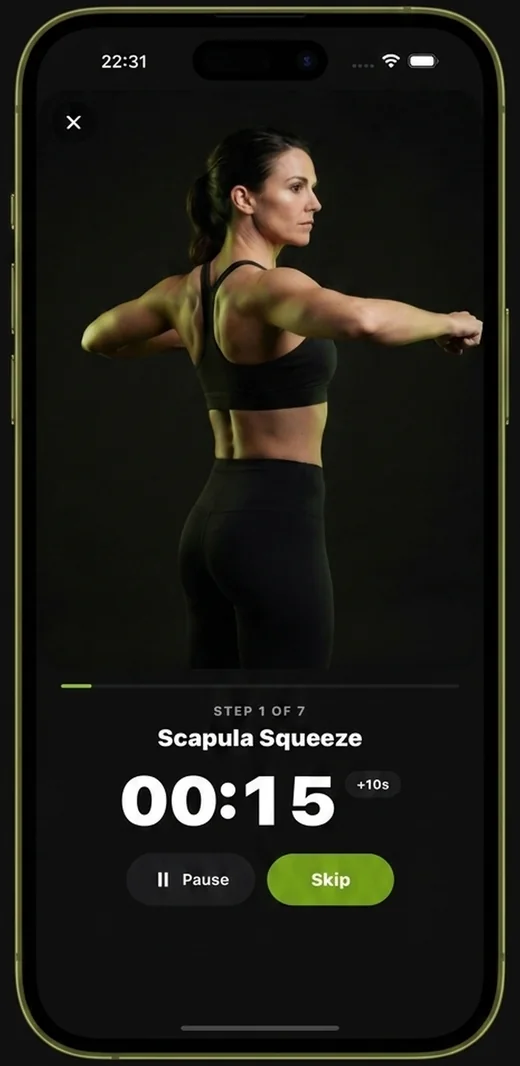
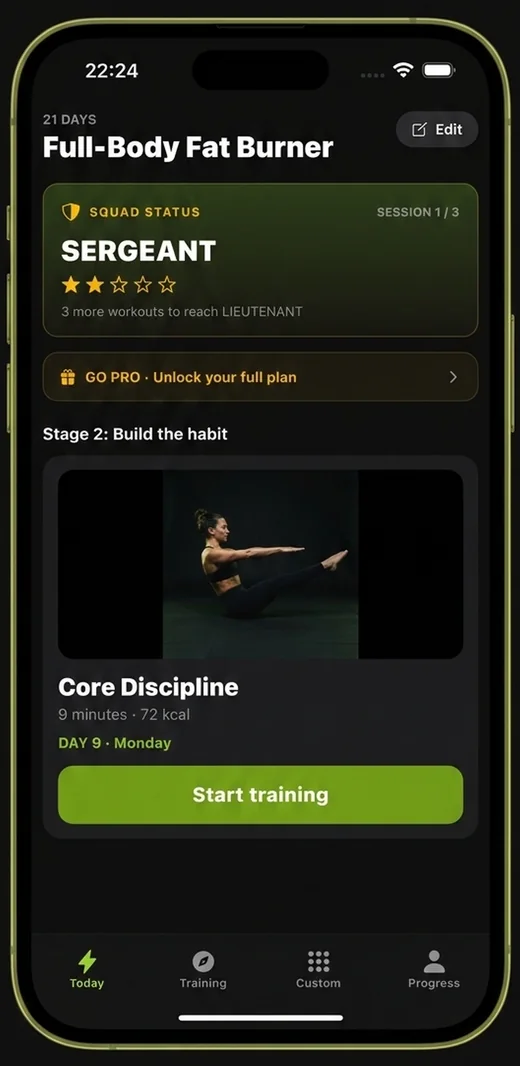
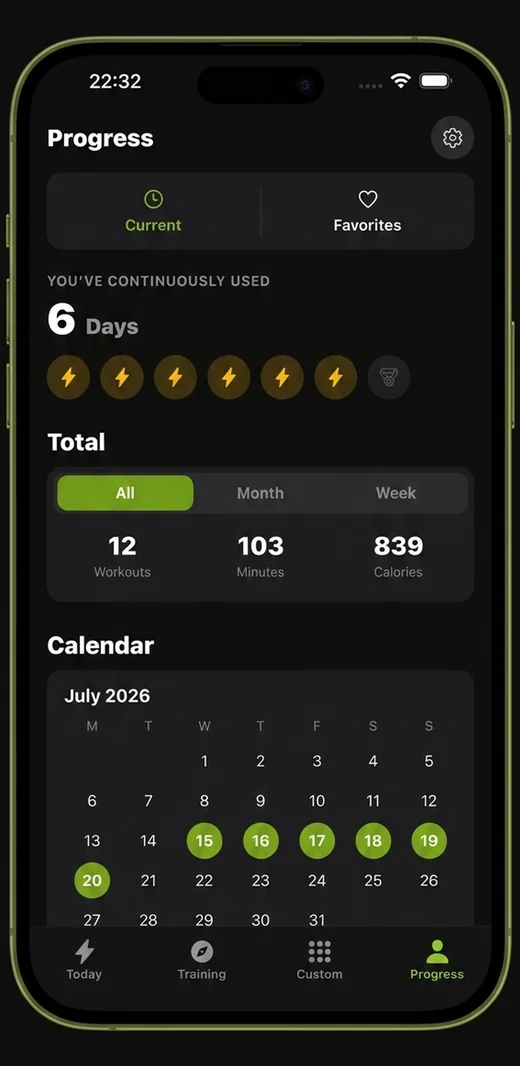
Everything on this site, built into a pocket coach. Military Calisthenics Coach turns the standards into a daily session you can run in a barracks, a garage or a hotel room — timed, tracked and scaled to you.
- A 21-day program that adapts to your level
- Guided timed sessions — no counting, no guessing
- Ranks, streaks and progress you can actually see

A calisthenics park is the ultimate environment for building functional strength, offering a variety of stations designed to facilitate standard, repeatable physical training. Military units utilize these outdoor stations because they mirror the reality of bodyweight mastery—requiring total tension and movement control without the crutch of external loads. Whether you are aiming to pass a fitness test or simply want to improve your raw physical capacity, outdoor fitness environments provide the space and equipment necessary for high-intensity, compound movements. Training in this environment requires the same mindset as the what military calisthenics is discipline: focus on form, strict standards, and volume.
How to Find a Facility Near You
Finding a functional training space is often simpler than searching for high-end gyms. To find a calisthenics park near me, start by utilizing Google Maps or Apple Maps, but adjust your search terms. Searching for “outdoor gym,” “fitness court,” or “calisthenics park” often yields more accurate results than generic “park” searches. Many municipal recreation departments now publish maps of local fitness trails or outdoor equipment stations on their official government websites.
Once you have a location, inspect it for the “Big Four” pieces of equipment: a horizontal pull-up bar (at varying heights), parallel bars (for dips), stall bars or vertical ladders, and low platforms or benches. If your local park lacks specific setups, you can adapt your training using the principles outlined in the 20-minute no-gear barracks workout. Do not be discouraged by a lack of specialized gear; a simple sturdy beam or a low fence is enough to complete a rigorous session.
Understanding Park Stations and Their Purpose
Military training standards prioritize movements that transfer directly to life and field tasks. Each station at the park serves a specific purpose in building the foundation of a combat-ready physique.
- High Pull-Up Bar: Use this for overhead pulling mechanics. If you struggle with the baseline, follow the dead-hang to strict pull-up progression to ensure you are building strength in the full range of motion.
- Parallel Bars: These are your primary tool for pushing strength. Whether you are working on a basic dip or looking into a more advanced dip progression, maintain a vertical torso to emphasize tricep and chest development.
- Low Bars/Handles: Essential for Australian pull-ups (bodyweight rows) and L-sit training. For those just starting, these are often the best places to begin before moving to the high bars. Beginners should refer to calisthenics for beginners to build a solid base of volume before attempting advanced static holds.
- Flat Ground: Do not overlook the open space. The most effective core and leg training, such as the movements described in calisthenics core workout, requires nothing more than a few square feet of dirt or rubber matting.
Park Etiquette and Training Standards
When training in a shared space, operate with discipline. The military ethos relies on mutual respect and efficient use of resources. If you are using a station, keep your gear (water bottles, bags) tucked neatly to the side to avoid tripping hazards for others. If the park is busy, adopt a circuit training model. Perform your sets and move to the next empty station rather than “claiming” one piece of equipment for an hour of rest periods.
Maintain strict standards on every rep. A push-up does not count if your chest does not reach within a fist’s distance of the ground, and a pull-up does not count if your chin does not clear the bar. If you find your form breaking down, reduce the volume or modify the movement. Scaling correctly is a hallmark of a disciplined trainee, not a weakness.
The Standard Outdoor Circuit: A Full Workout Plan
This circuit is designed to hit every major muscle group with the intensity required to drive adaptation. Perform this three times per week. If you need a more structured long-term approach, integrate this into the 8-week military calisthenics workout plan.
The Outdoor Circuit
| Exercise | Sets | Reps/Time | Focus |
|---|---|---|---|
| Pull-ups | 3 | 5-10 | Strict form, dead hang at bottom |
| Dips | 3 | 8-12 | Elbows tucked, lean forward slightly |
| Inverted Rows | 3 | 10-15 | Squeeze shoulder blades together |
| Air Squats | 3 | 20-30 | Full depth, chest up |
| Leg Raises | 3 | 10-15 | Control the descent, no swinging |
- Rest Periods: Keep rest between sets at exactly 60 seconds. Use a stopwatch. Do not guess.
- Tempo: Adopt a 2-0-1-0 tempo. Two seconds down, zero pause, one second up, zero pause at the top. This removes momentum and forces muscle activation.
Progression and Scaling
If you cannot hit the bottom end of the rep ranges above, you must scale. For pull-ups, use bands or focus on eccentric-only movements (jumping to the bar and lowering as slowly as possible). For dips, use a low bench to perform supported dips. Progression is about consistency. Increase your total volume by one rep per set every week until you hit the top end of the prescribed range, then increase the difficulty of the movement (e.g., move from regular push-ups to diamond push-ups).
If you find yourself plateauing, go back to basics. Check your alignment in your push up progression and ensure you are not sacrificing tension for speed. Even advanced trainees must occasionally return to the foundational movements to correct “form drift” that occurs during high-volume training cycles.
Frequently asked questions
How do I find a calisthenics park near me if there are none listed on map apps?
Check local school playgrounds, community centers, or military installation public access areas. Often, parks are hidden within larger recreational complexes or public parks that simply do not have “fitness” in their digital tag, so satellite view on your map app can help you spot pull-up bars or monkey bars.
How long should I spend at a calisthenics park during a session?
A well-structured session should take between 45 and 60 minutes. If you are spending significantly longer, you are likely taking rest periods that are too long or lacking focus in your transitions between stations; maintain high density to replicate field-readiness.
Can I train at a park every day?
While you can visit the park daily for light mobility work or low-intensity aerobic recovery, high-intensity strength training should be limited to 3 to 5 days per week. The body needs systemic recovery time to build muscle and increase strength after intense calisthenics sessions.
What is the most important piece of gear for a calisthenics park?
A pair of chalk and comfortable, flat-soled footwear are your priorities. Beyond that, a simple pair of resistance bands is helpful for scaling movements, but the primary requirement is your own discipline to adhere to strict form standards regardless of how tired you feel.