Calisthenics for Teens: A Proven Military-Style Foundation
Calisthenics for teens offers a safe, effective way to build functional strength. Follow this no-nonsense guide to master your bodyweight, starting today.

Military Calisthenics Coach
Take the drill with you
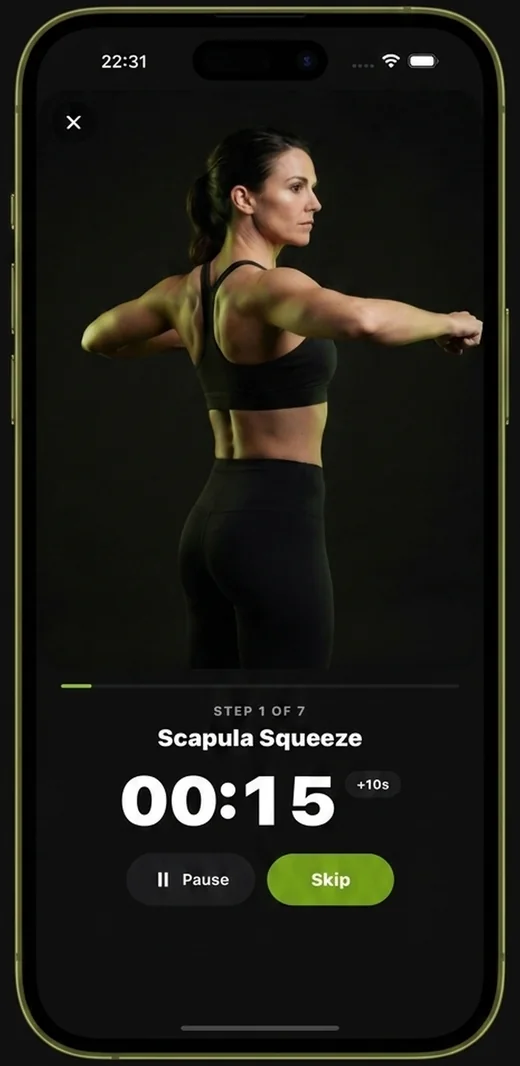
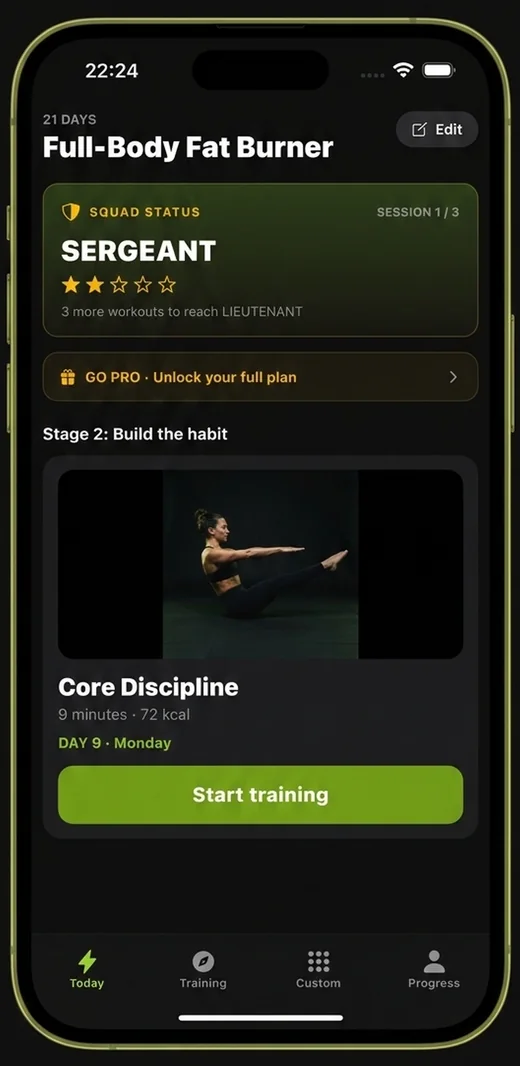
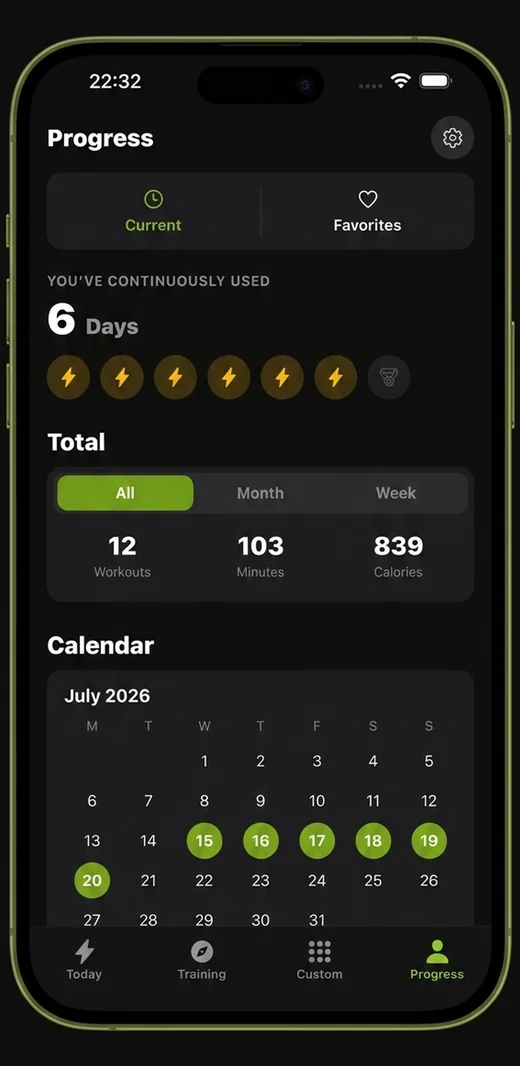
Everything on this site, built into a pocket coach. Military Calisthenics Coach turns the standards into a daily session you can run in a barracks, a garage or a hotel room — timed, tracked and scaled to you.
- A 21-day program that adapts to your level
- Guided timed sessions — no counting, no guessing
- Ranks, streaks and progress you can actually see

Calisthenics for teens provides the most effective, safe, and scalable method for building a foundation of functional strength without the need for complex equipment. When you train like the military trains, you prioritize consistent, high-quality movement patterns over raw weight or ego-driven gym habits. This approach is ideal for growing bodies, as it emphasizes mastering one’s own weight before ever considering external resistance. Whether you are aiming to ace a physical fitness test or simply want to build a capable, resilient body, the principles remain the same: form, discipline, and progression.
The Military Ethos: Why Bodyweight Matters
In the armed forces, survival and success often depend on how efficiently you can move your own body over and under obstacles. This is exactly why military physical training, or PT, leans heavily on bodyweight movements. For a teenager, this is the perfect training stimulus. You are learning to control your center of gravity, improving your proprioception, and strengthening your tendons alongside your muscles. Unlike heavy barbell lifting, which can be misused by beginners to chase numbers, calisthenics requires you to master a movement—like a strict pull-up or a perfect push-up—before you can advance. If you want to understand the foundational philosophy of this discipline, review what military calisthenics is to grasp why simplicity is our primary weapon.
Form Before Volume: The Golden Rule
There is no point in doing 50 sloppy push-ups. In a military environment, a rep that doesn’t meet the standard is a rep that doesn’t count. For teenagers, this is a crucial habit to build. When you are growing, your nervous system is adapting to new physical demands. Performing exercises with poor form not only limits your strength gains but also increases the risk of injury. Every repetition must begin from a dead stop or a full range of motion. For push-ups, that means your chest touches the deck; for pull-ups, that means you go from a full hang to chin-over-bar. If you are just starting, treat the dead hang as a primary movement to build grip strength and shoulder stability before you attempt a single pull-up.
Realistic Strength Expectations
Many teenagers expect immediate hypertrophy or massive strength gains. Training, however, is a marathon. Puberty causes rapid fluctuations in bone density, tendon length, and hormonal profiles. You might have days where you feel strong and days where you feel uncoordinated. This is normal. Your goal is not to compare yourself to a full-grown soldier, but to improve your own baseline. The military uses standardized tests to measure progress, and you should do the same. Track your reps, track your rest periods, and aim for a 5% increase in volume or a 2% improvement in speed every two weeks.
A Three-Day-A-Week Foundation
Consistency is the bedrock of military fitness. You do not need to train seven days a week to see results. In fact, for a teenager, three days of focused, intense effort, with adequate recovery, will yield the best outcomes. Use the following template as your standard operating procedure for the next six weeks.
| Day | Focus | Exercises | Sets/Reps |
|---|---|---|---|
| Monday | Push & Core | Push-ups, Plank, Mountain Climbers | 3 x 8-12 reps |
| Wednesday | Pull & Grip | Pull-up progression, Inverted Rows | 3 x 6-10 reps |
| Friday | Lower Body | Air Squats, Lunges, Calf Raises | 3 x 15-20 reps |
Scale these reps to your current ability. If you cannot hit eight reps with perfect form, regress the movement. For push-ups, this means moving to an incline or knee-push-up. For pull-ups, utilize the dead-hang to strict pull-up progression to ensure you are building the necessary back strength to move your entire body weight eventually.
Addressing Common Concerns
Parents often worry about whether calisthenics or weight training will stunt a teenager’s growth. There is no evidence that bodyweight training, performed with controlled form, harms growing bones or muscles. In reality, controlled resistance improves bone density and joint health. The danger comes from ego-lifting and poor technique. By sticking to bodyweight, you remove the risk of dropping heavy iron, making it the safest way to develop athleticism. If you are looking for a complete roadmap to follow, the 8-week military calisthenics workout plan will provide the structure needed to keep your training on track.
Frequently asked questions
Can I do calisthenics every day?
While you can perform light mobility work daily, high-intensity strength training should be limited to 3-4 days per week. Your body needs rest days to repair the microscopic tears in your muscles that lead to growth and strength gains. Overtraining, especially during teenage years, can lead to burnout and injury rather than progress.
How many reps should I do per set?
Aim for a rep range that leaves you feeling challenged but not completely failed in your form. For most strength-building goals, 8 to 12 repetitions per set is the sweet spot. If you can do more than 15 with perfect, military-standard form, it is time to move to a more difficult variation of the exercise.
Is it safe for a beginner to start alone?
Yes, bodyweight training is inherently safe because you are only working with the resistance of your own limbs. However, you must prioritize the quality of your movement to avoid repetitive strain. If you are unsure about your technique, film yourself and compare it against standard movement videos or consult a qualified coach.
What do I do if I get stuck on a progression?
Plateaus are a normal part of the process in any training cycle. If you cannot progress to a harder move, increase your time under tension—slow down the descent of your push-ups or squats to 3-4 seconds. Often, stalling means you need to add more volume at your current difficulty level before attempting the next step.