Calisthenics Results: The Honest Timeline for Beginners
Understand the timeline of calisthenics results. Learn what to expect at 2 weeks, 1 month, 3 months, and beyond with our no-nonsense training standards.

Military Calisthenics Coach
Take the drill with you
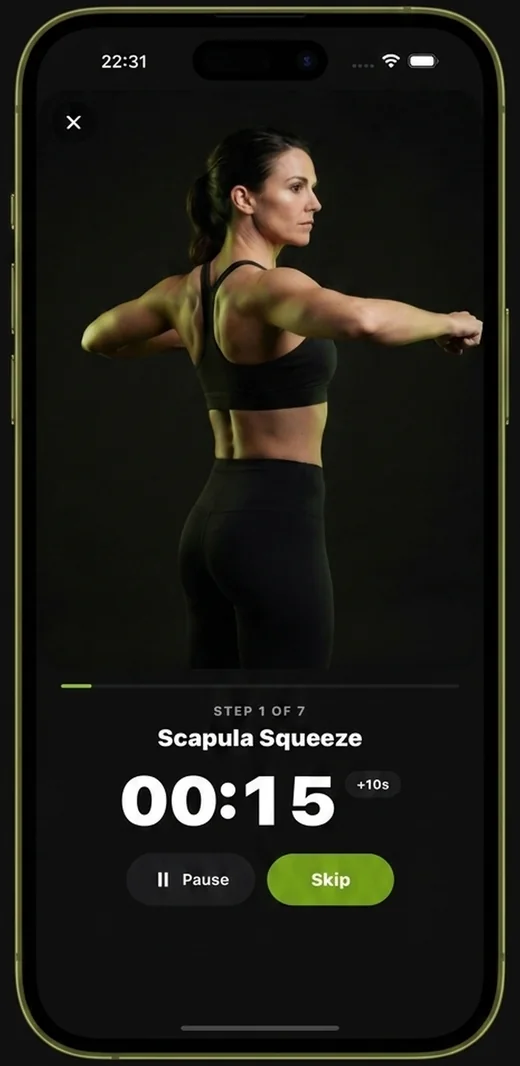
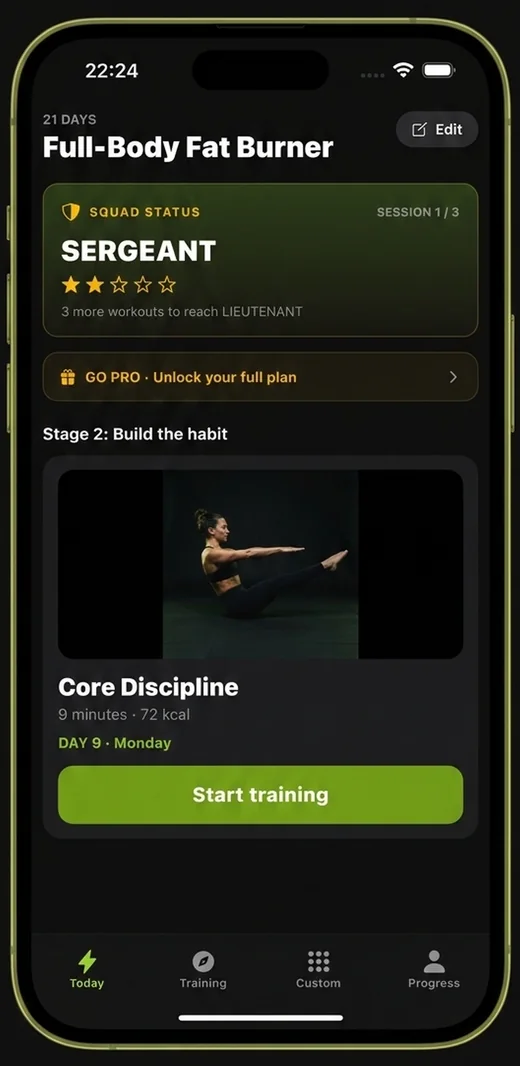
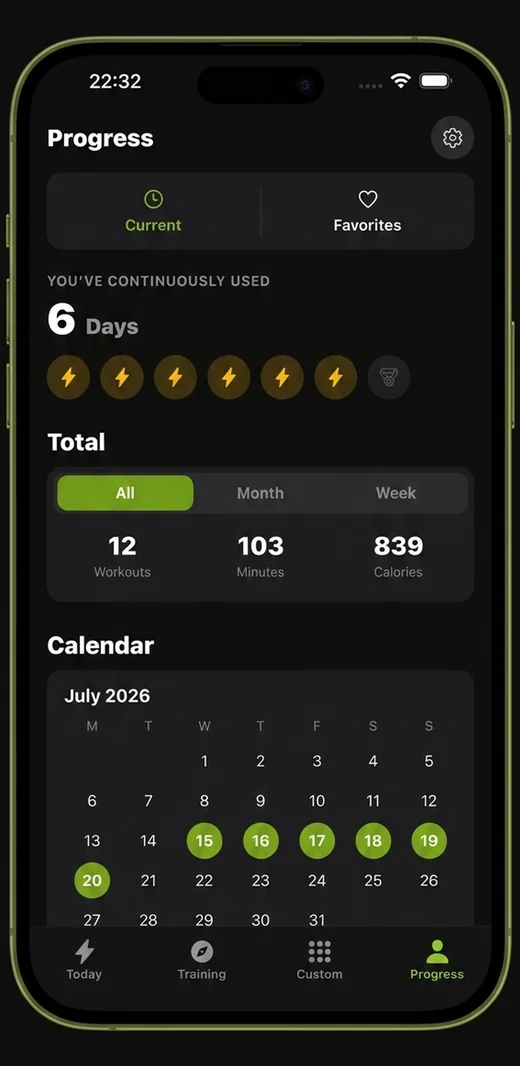
Everything on this site, built into a pocket coach. Military Calisthenics Coach turns the standards into a daily session you can run in a barracks, a garage or a hotel room — timed, tracked and scaled to you.
- A 21-day program that adapts to your level
- Guided timed sessions — no counting, no guessing
- Ranks, streaks and progress you can actually see

Predictable, measurable calisthenics results are the hallmark of disciplined bodyweight training, provided you follow a structured progression rather than random movements. If you want to know how long does it take to see results from calisthenics, the answer is defined by your adherence to consistent, high-standard volume rather than the complexity of your routine. Military training relies on foundational movements—push-ups, pull-ups, and sit-ups—precisely because they allow for objective tracking. When you treat your training as a mission requirement, the physiological adaptations follow a clear, linear path.
The First 14 Days: Neurological Adaptation
During the first two weeks, you will not see significant muscle growth, but you will experience a rapid increase in functional output. This is your central nervous system learning to recruit more muscle fibers simultaneously. If you are struggling with a standard push-up, focus on push up progression to ensure you are meeting the standard rather than just moving through space.
- Strength: You will notice you can perform more repetitions with better form. This is not muscle gain; this is increased movement efficiency.
- Visible change: Minimal. You may feel slightly more “pumped” due to increased blood flow to the muscles, but fat loss or hypertrophy will not be measurable yet.
- Skill: You are building the discipline of the routine. The goal here is zero missed sessions.
The 1-Month Mark: Setting the Baseline
At one month, the “newbie gains” are primarily strength-based. If you have followed the 8-week military calisthenics workout plan, you should have established a baseline measurement for your primary movements. Use this month to perfect your tempo: 2 seconds down, 1 second hold at the bottom, 1 second up. Controlled movement is the differentiator between a trainee and a recreational lifter.
Monthly Milestone Benchmarks
| Exercise | Beginner Standard | Military Minimum Goal |
|---|---|---|
| Push-ups | 5 reps | 20-30 reps |
| Pull-ups | 0 reps (use bands) | 3-5 reps |
| Air Squats | 20 reps | 50 reps |
3 Months: Structural and Hypertrophy Shifts
By the three-month mark, you move from neurological adaptation to visible structural changes. If your diet is aligned with calisthenics diet principles, your body composition will begin to shift. You will notice increased definition in the deltoids and triceps from consistent vertical and horizontal pushing. If you have been dedicated to the dead-hang to strict pull-up progression, you should be achieving your first unassisted pull-ups.
6 Months: Mastery of Foundation
At six months, the question of how long does it take to see results from calisthenics is answered by your mirror and your performance logs. You are no longer “getting back in shape”; you are building a resilient, functional frame. You should be able to perform standard military tests—such as those found in military fitness test standards—with relative ease. The focus now shifts from simply getting reps to increasing intensity via leverage adjustments, such as moving from regular push-ups to diamond or elevated variations.
1 Year: Establishing Elite Standards
One year of consistent training creates a baseline that exceeds the average population’s physical capability. You should be able to execute high-volume sets with perfect form. At this stage, your training should be focused on mastery of harder movements, such as the pistol squat or the L-sit, while maintaining strict standards on your primary compound lifts. Consistency for a full year is the only way to ensure lasting physiological change.
Factors Affecting Your Rate of Progress
- Volume and Frequency: Training a muscle group twice a week is the standard for beginners. If you train once a week, progress will stagnate.
- Range of Motion: Cutting corners on the way down in a push-up or not reaching a full lock-out on a pull-up masks poor performance and stunts long-term strength development.
- Recovery: Military personnel understand that recovery is part of the mission. If you are not sleeping seven to eight hours, your body cannot synthesize the protein required for muscle repair.
- Body Weight: If your goal is high-repetition bodyweight strength, carry a body fat percentage that supports performance. Excessive body fat acts as an anchor in calisthenics movements.
Frequently asked questions
How many push-ups should a beginner do to see results?
A beginner should aim for sets that push them to within two reps of technical failure, usually ranging between 8 and 15 reps, three to four times a week. Focus on quality; if your form breaks down, your set ends immediately. Consistency in these sub-maximal efforts will drive the strength gains required for higher volume later.
How long does it take to see results from calisthenics in the mirror?
Most trainees notice visible muscle definition changes around the 8 to 12-week mark, provided they are maintaining a slight caloric deficit or eating at maintenance. Strength changes occur significantly faster, often within the first 14 days, because your nervous system becomes more efficient at executing the movements. Do not rely on daily visual checks; rely on your rep logs to prove your progress.
Can I do calisthenics every day?
Yes, you can train every day, but you must rotate the muscle groups being taxed to allow for recovery. For instance, utilize an upper-body day followed by a lower-body day or a calisthenics full body workout with moderate intensity. Overtraining results in injury, which is the fastest way to derail your progress and lose your momentum.
What is the best way to track my progress?
Keep a dedicated notebook or log to record your reps, sets, and rest intervals for every session. When you can perform an extra rep or decrease your rest period while maintaining perfect form, you have successfully progressed. This objective data is the only reliable way to know if your training is effective.