The Calisthenics Diet Plan: Fueling for Military-Grade Results
Follow a strict calisthenics diet plan to master your bodyweight. Learn how to fuel for performance, manage your weight, and build functional strength.

Military Calisthenics Coach
Take the drill with you
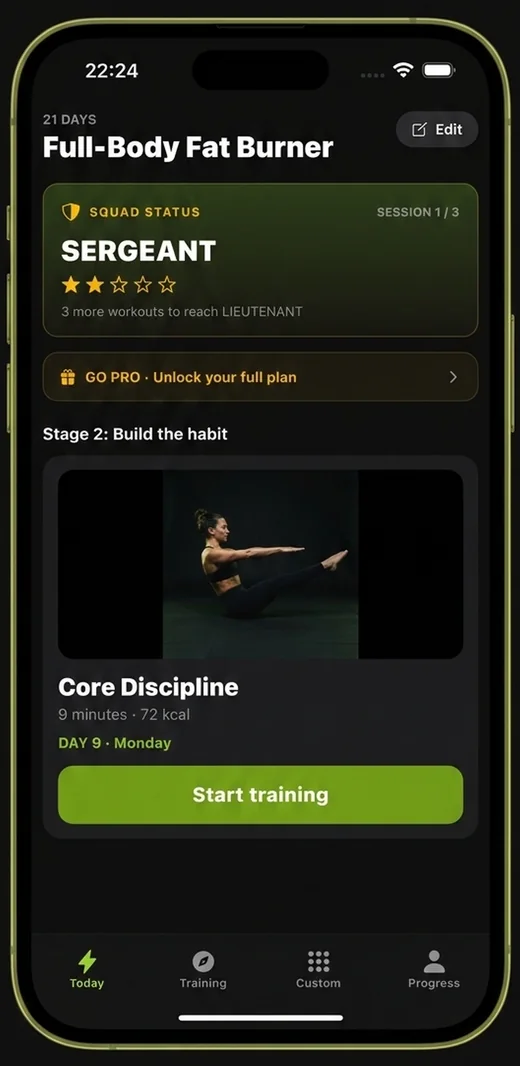
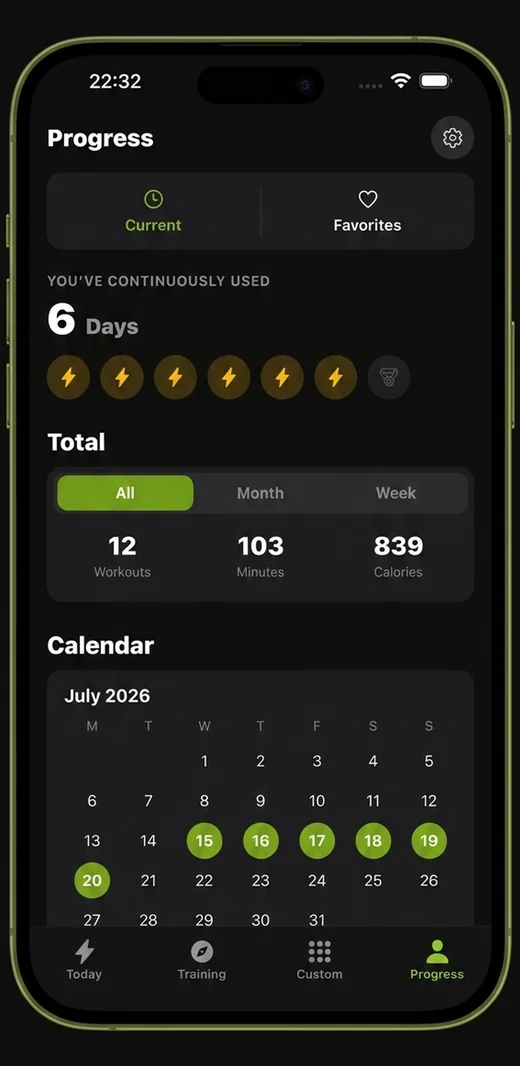
Everything on this site, built into a pocket coach. Military Calisthenics Coach turns the standards into a daily session you can run in a barracks, a garage or a hotel room — timed, tracked and scaled to you.
- A 21-day program that adapts to your level
- Guided timed sessions — no counting, no guessing
- Ranks, streaks and progress you can actually see


A successful calisthenics diet plan prioritizes high-quality protein and strategic caloric balance to support the extreme demands of bodyweight training. Because you are the weight you must lift, your nutrition strategy serves two masters: fueling the high-intensity output required for the 8-week military calisthenics workout plan and maintaining an optimal power-to-weight ratio. Unlike weightlifting, where added mass can assist in moving iron, every extra pound of body fat in calisthenics is dead weight that makes the dead-hang to strict pull-up progression exponentially harder. To train like the military trains, you must treat your food intake with the same discipline as your pull-up standards.
Establishing Your Calisthenics Nutrition Baseline
Military performance is built on the principle of sustainability. You do not need complex supplements; you need consistency. Protein is the primary pillar of calisthenics nutrition. Your body requires amino acids to repair the micro-tears caused by push-ups, dips, and pull-ups. Aim for a range of 1.6 to 2.2 grams of protein per kilogram of body weight. If you weigh 80 kilograms, that is roughly 130 to 175 grams of protein daily.
To find your caloric baseline, calculate your TDEE (Total Daily Energy Expenditure). If you are attempting to lose fat, reduce your daily intake by 300–500 calories. If you are struggling to maintain weight during high-volume training—common when you begin calisthenics for beginners—increase your intake by 200–300 calories. Use the following priority list to structure your daily meals:
- Protein: Eggs, chicken, lean beef, beans, lentils, or Greek yogurt.
- Complex Carbohydrates: Oats, brown rice, potatoes, and whole grains for sustained energy.
- Micronutrients: Diverse vegetables to ensure systemic recovery.
Training Efficiency and the Power-to-Weight Ratio
In the armed forces, mobility and endurance are paramount. If you are learning how to do a muscle up, your relative strength is the limiting factor. This is why a lean, muscular physique is the standard goal. You are not trying to minimize weight at the expense of performance; you are trying to maximize power output while keeping unnecessary adipose tissue low.
Beginners often fall into the trap of aggressive calorie restriction. If you are not fueling your training, you will not improve your numbers. If you find your performance plateauing, it is almost always a result of inadequate refueling post-workout. If you feel lethargic during the 20-minute no-gear barracks workout, your carbohydrate intake is likely too low to sustain the necessary glycogen levels.
Sample Daily Intake
This structure provides a template for consistent energy levels. Adjust portions based on your body size and specific training volume.
| Meal | Focus | Example Components |
|---|---|---|
| Breakfast | Slow-digesting carbs | Steel-cut oats, whey or plant protein, handful of berries |
| Lunch | Lean protein + Fiber | Chicken breast, large salad, quinoa, olive oil dressing |
| Pre-Workout | Fast-digesting carb | Banana or a rice cake with a small amount of honey |
| Post-Workout | Protein + Refuel | Lean turkey or fish, sweet potato, green vegetables |
| Dinner | Satiety | Lean ground beef, steamed broccoli, brown rice |
Cutting vs. Building: Tactical Adjustments
Your strategy must shift based on your current physical objective. When building strength, prioritize a slight surplus. You cannot gain lean muscle mass efficiently in a caloric deficit. Focus on increasing your volume in the 8-week military calisthenics workout plan while ensuring you consume enough calories to recover.
When cutting, the goal is to preserve muscle while losing body fat. Increase your protein intake toward the higher end of the 2.2g/kg range to protect your lean mass. Reduce your carbohydrate intake specifically around non-training times, but keep your intake high enough during your workout window to maintain the intensity required for your push-up progression.
Monitoring Progress Through Standards
Do not rely solely on the scale. A calisthenics athlete’s progress is best measured by performance. If your body weight decreases but your max rep pull-ups remain stagnant or decrease, your calisthenics diet plan is likely depriving you of the nutrients needed for neural recovery. If your weight stays the same but your reps increase, you are successfully body-recomposing—trading fat for muscle. This is the desired outcome for long-term health and functional performance.
Frequently asked questions
How many grams of protein should I eat for calisthenics?
For most athletes, 1.6 to 2.2 grams of protein per kilogram of body weight is the target. This range ensures sufficient amino acid availability for muscle recovery after high-intensity bodyweight sessions.
Can I build muscle with bodyweight training alone?
Yes, you can build significant muscle mass if you utilize progressive overload. By moving to harder variations—such as transitioning from standard push-ups to diamond or decline push-ups—you force the muscle fibers to adapt and grow just as they would with external weights.
What should I eat before a morning training session?
If you train early, consume a small, easily digestible carbohydrate such as a banana or a slice of toast 30 minutes prior. This provides quick energy for your nervous system without causing digestive discomfort during hanging or inverted movements.
How long does it take to see changes in body composition?
With consistent nutrition and a rigorous training schedule, noticeable changes in body composition typically emerge within 8 to 12 weeks. Focus on measuring your strength gains via rep counts rather than focusing exclusively on the number on the scale.