Calisthenics for Weight Loss: A Military-Style Guide
Master calisthenics for weight loss with this no-nonsense, military-inspired guide. Get effective circuits, clear standards, and a 4-week training routine.

Military Calisthenics Coach
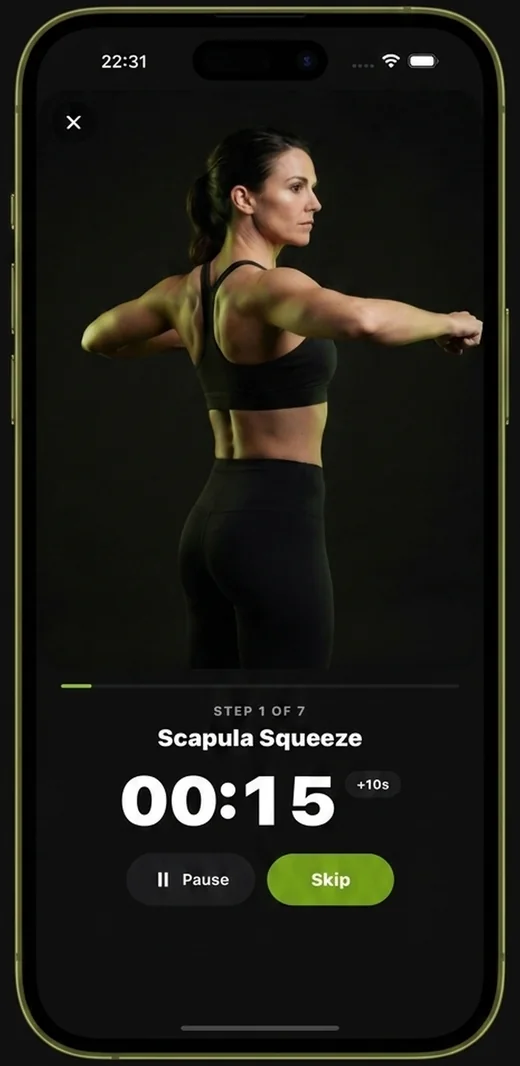
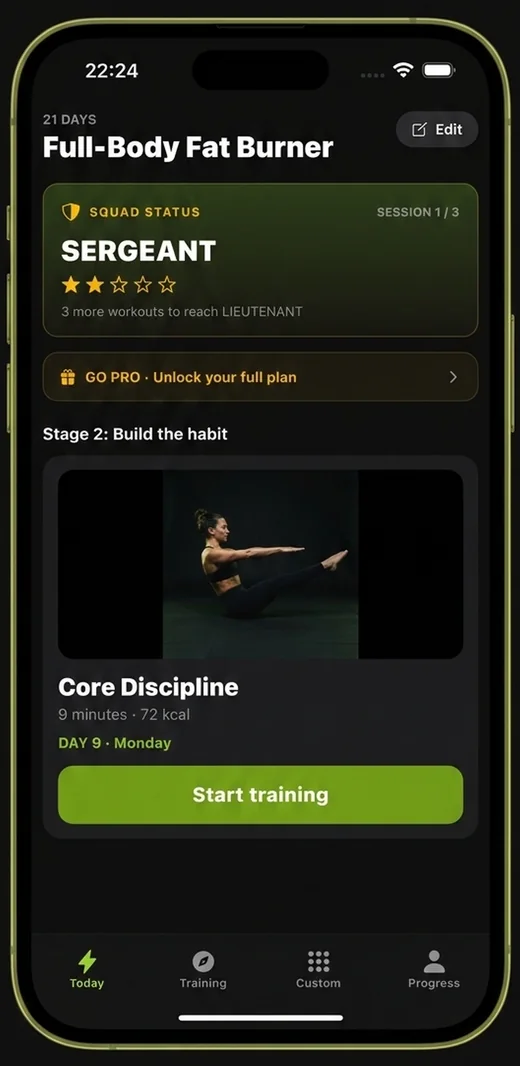
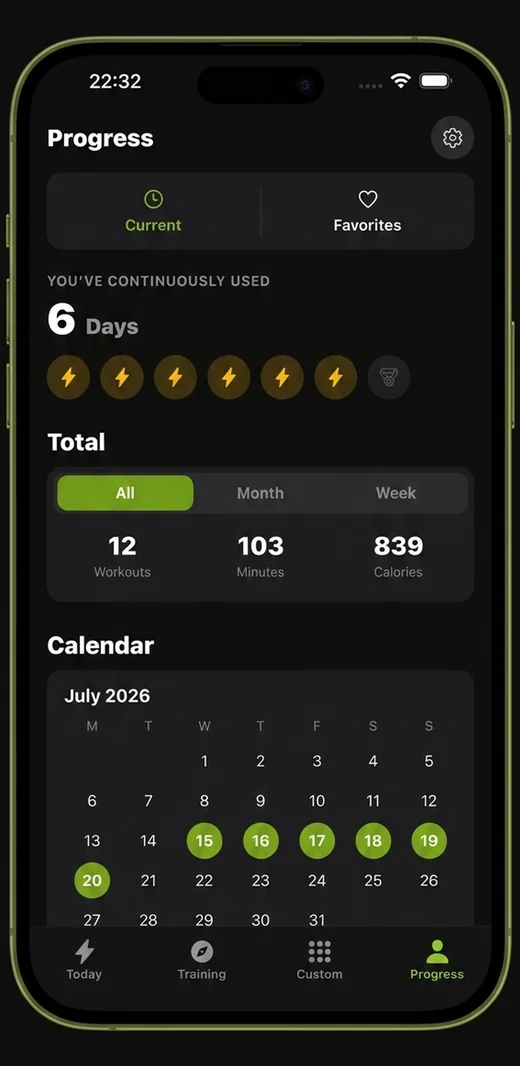
Take the drill with you
Everything on this site, built into a pocket coach. Military Calisthenics Coach turns the standards into a daily session you can run in a barracks, a garage or a hotel room — timed, tracked and scaled to you.
- A 21-day program that adapts to your level
- Guided timed sessions — no counting, no guessing
- Ranks, streaks and progress you can actually see

Utilizing calisthenics for weight loss is the most efficient way to build a functional, lean physique without needing a gym membership or expensive machinery. Military training relies on simple, repeatable movements that demand high energy expenditure, making them ideal for fat loss when paired with honest dietary discipline. You cannot out-train a poor diet, but by focusing on intensity and movement quality, you will create the metabolic demand necessary to sustain long-term weight management. This approach prioritizes movement standards over ego, ensuring that every repetition contributes to your objective rather than just burning time.
The Physiology of Fat Loss Through Movement
Fat loss occurs when your body maintains a consistent caloric deficit over time. While weightlifting provides a focused hypertrophy stimulus, high-frequency bodyweight training allows for greater metabolic work capacity. By performing movements that engage multiple muscle groups simultaneously—such as push-ups, squats, and lunges—you maximize the heart rate response. Understanding what military calisthenics is requires accepting that the goal is not to isolate a specific muscle, but to move the body as a single, integrated unit.
To increase calorie burn, shift your focus toward density training. Instead of resting for long periods between sets, reduce your recovery intervals. A standard military PT session is not a leisurely stroll; it is a timed event. If you are struggling with basic movements, refer to calisthenics for beginners to build a foundation before attempting high-intensity circuits.
Straight Sets vs. Circuits
For most beginners, the most effective method for fat loss is the circuit. A circuit forces you to move from one exercise to the next with minimal rest, keeping the heart rate elevated throughout the session. In contrast, straight sets—doing all reps of one exercise before moving to the next—are better for building raw strength and mastering form.
- Circuits: Best for conditioning, cardiovascular health, and higher total caloric burn per session.
- Straight Sets: Best for muscle retention during a deficit and perfecting form, especially for movements like the push-up.
If your goal is pure fat loss, aim for a hybrid approach. Start your workout with two or three strength-focused straight sets to build tension, then finish with a 10-minute high-intensity circuit. You can implement this using the 20-minute no-gear barracks workout as a template to ensure you hit your targets efficiently.
Form Standards and Movement Integrity
In the armed forces, a repetition that does not meet the standard is a repetition that does not count. Sloppy movement not only increases the risk of injury but also recruits fewer muscle fibers, which reduces the metabolic intensity of the session. Use the following checklist for every exercise:
- Full Range of Motion: Your chest must touch the floor on push-ups; your thighs must break parallel on squats.
- Tension: Maintain a rigid core throughout the movement. If you are wobbling, you are losing energy.
- Tempo: Control the descent (the eccentric phase). Do not use gravity to cheat your way through a set.
If you find your form breaking down, scale the movement rather than sacrificing your standards. For example, if you cannot maintain a straight back on a standard push-up, perform them against a bench or a sturdy rail. Consistent practice of these standards is essential for success, much like the push up progression taught to recruits during initial training.
The 4-Week Fat Loss Progression
This routine is designed for anyone looking to incorporate calisthenics for weight loss into a busy life. Perform these sessions three times per week, with at least one rest day between workouts. Focus on reducing your rest periods by 5-10 seconds each week.
| Week | Workout Type | Structure | Rest Between Exercises |
|---|---|---|---|
| 1 | Strength Foundation | 3 sets of 10 (Push-up, Squat, Plank 30s) | 90 seconds |
| 2 | Volume Increase | 4 sets of 10 (Push-up, Squat, Plank 45s) | 75 seconds |
| 3 | Circuit Intensity | 3 rounds, 15 reps each, minimal rest | 60 seconds |
| 4 | Test Week | 4 rounds, 20 reps each, no rest | 45 seconds |
During Week 4, assess your progress. If you are unable to complete the circuit with perfect form, revert to Week 3 volumes but maintain the tighter rest intervals. For those who need more variety, the 8-week military calisthenics workout plan provides a longer-term structure.
Nutrition and The Caloric Reality
No training program will help you lose weight if you continue to eat in a caloric surplus. Protein intake is non-negotiable; it helps preserve lean mass while you are in a deficit. Aim for roughly 0.8g to 1g of protein per pound of your goal body weight. Drink water, avoid liquid calories, and focus on whole food sources. Think of your nutrition as the logistics of your mission: if you do not supply the fuel, the machine will eventually stop running. Training is the stimulus for change, but food is the material that facilitates that change.
Frequently asked questions
How many days a week should I train for weight loss?
For optimal results, aim for 3 to 4 days of structured calisthenics training. This allows enough frequency to maintain metabolic momentum while providing sufficient recovery time for your joints and central nervous system.
Can I do calisthenics for weight loss if I have zero experience?
Yes. Every movement, from the squat to the pull-up, has a scaled version that fits your current ability. Start with the easiest variation that allows you to perform clean, consistent repetitions, and progress from there.
How long should each workout last?
Keep your training sessions between 30 and 45 minutes. If your session extends significantly beyond this, you are likely resting too long or performing too much “junk volume” rather than focusing on high-intensity movement.
What if I cannot do a single pull-up yet?
Do not skip back training simply because you cannot complete a full pull-up. Focus on dead hangs, scapular pull-ups, and horizontal rows to build the necessary strength, following the dead-hang to strict pull-up progression until you can handle your own body weight.