Calisthenics for Seniors: A Practical Guide to Longevity
Master functional movement with our guide to calisthenics for seniors. Build stability, strength, and independence using simple, joint-friendly bodyweight drills.

Military Calisthenics Coach
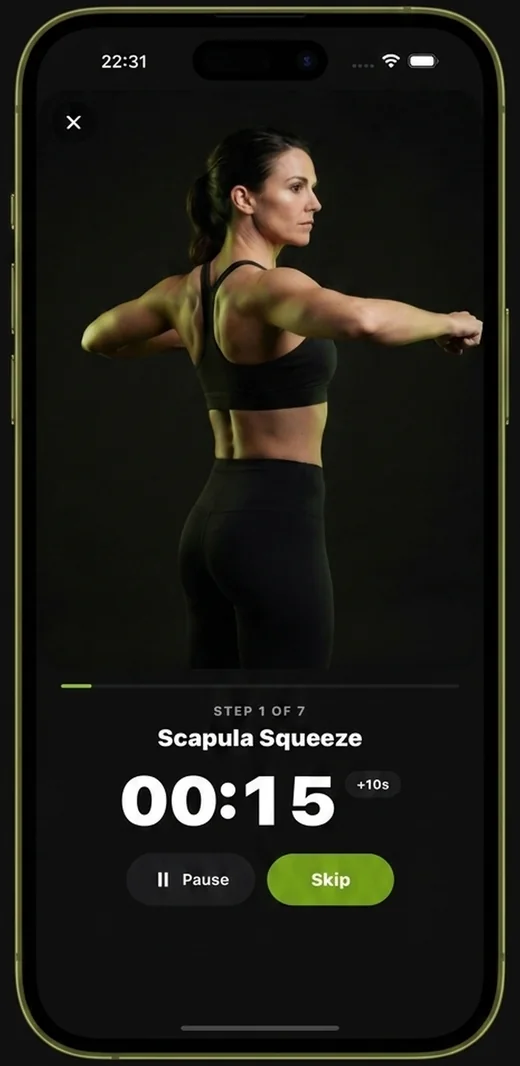
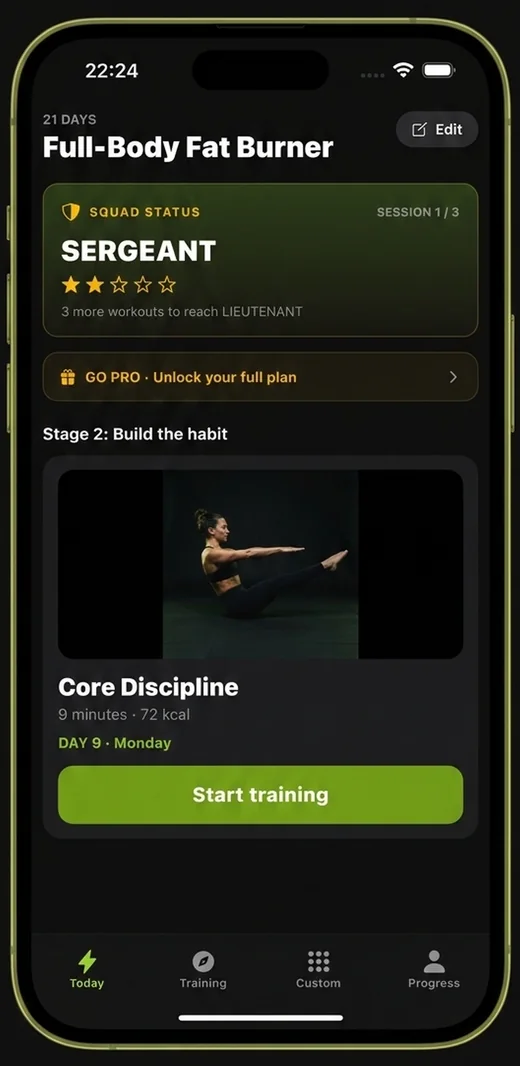
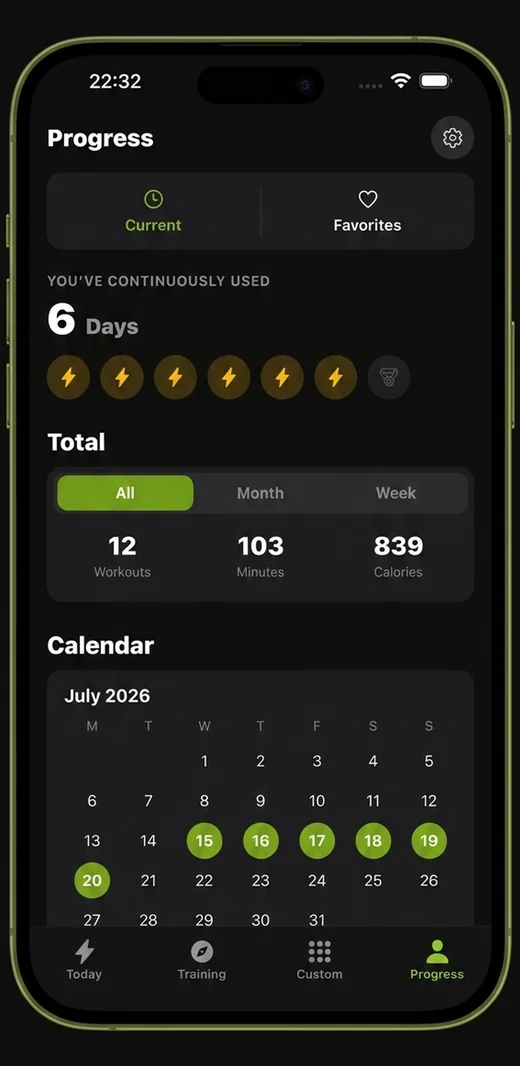
Take the drill with you
Everything on this site, built into a pocket coach. Military Calisthenics Coach turns the standards into a daily session you can run in a barracks, a garage or a hotel room — timed, tracked and scaled to you.
- A 21-day program that adapts to your level
- Guided timed sessions — no counting, no guessing
- Ranks, streaks and progress you can actually see

Calisthenics for seniors is the most effective way to build functional independence, bone density, and stability without the need for heavy gym equipment. The core philosophy of military fitness—relying on your own body weight to master movement patterns—is arguably even more critical as we age, providing a structured approach to maintaining mobility that traditional heavy lifting often overlooks. If you are starting from a low base, the goal is not to chase high-repetition records found in an army combat fitness test, but to systematically reinforce your joints and connective tissues through controlled, progressive resistance. By focusing on fundamental movement patterns, you can cultivate the physical resilience needed for daily life.
The Principles of Longevity Training
In the military, we emphasize consistency over intensity to prevent injury. For trainees in their 60s and beyond, this must be your primary directive. The focus is on movement quality and joint health rather than speed. Before you start, understand that you are not training for a physical fitness test; you are training for life.
The Golden Rules for Senior Athletes
- Controlled Tempo: Every rep should take 2 seconds on the way down and 2 seconds on the way up. Momentum is the enemy of joint health.
- Range of Motion over Volume: A shallow squat with good form is superior to a deep one that causes knee pain.
- Support is Mandatory: Do not be afraid to use a wall, chair, or sturdy countertop for the first several months. These are not ‘cheats’; they are tools to help you develop the baseline strength required for unassisted movement.
If you are interested in how the basics translate to general fitness, you can read more about what military calisthenics is to understand the foundational movements we use.
Establishing Your Baseline: The Movement Checklist
Before initiating a formal calisthenics for beginners routine, you must establish where your current physical markers lie. We use four core movements to gauge readiness. Perform these using a stable chair or wall for support if needed.
| Movement | Target Goal (Basic) | Support Option |
|---|---|---|
| Wall Push-Up | 3 sets of 12 reps | Stand closer to the wall |
| Chair Sit-to-Stand | 3 sets of 10 reps | Use hands on thighs |
| Standing Knee Raise | 3 sets of 10 per leg | Use a wall for balance |
| Glute Bridge | 3 sets of 8 reps | Keep feet closer to glutes |
If you find these movements challenging, you are in the right place. The military approach to training isn’t about how much you can lift today, but how consistently you can improve tomorrow. If you are looking for a gentle entry point, our 30 day calisthenics challenge can be adapted by extending the timeframe to 60 or 90 days to suit your recovery rate.
A Weekly Template for Stability and Strength
Consistency is the bedrock of success. Aim for three sessions per week, with at least 48 hours of recovery between them to allow for tendon adaptation. This template is designed to enhance your structural integrity.
The Routine
- Warm-up: 5 minutes of joint circles (neck, shoulders, wrists, ankles) and walking in place.
- Primary Circuit (Perform 2-3 rounds):
- Wall Push-ups: 8-12 reps. Focus on keeping the elbows tucked toward your ribs at a 45-degree angle.
- Assisted Squats (to chair): 8-12 reps. Ensure your heels stay planted throughout the movement.
- Incline Plank (on kitchen counter or wall): 20-30 second hold. Keep your core tight and glutes squeezed.
- Wall Calf Raises: 10-15 reps. Rise slowly onto the balls of your feet.
- Cool Down: Static stretching, focusing on the hamstrings and chest.
If you feel you are ready to expand your repertoire, you can explore the 8-week military calisthenics workout plan for a more comprehensive progression structure.
Progression: The Art of Incremental Change
Progression is the act of making a movement slightly more difficult once you can complete your prescribed sets with perfect form. Do not increase volume (reps/sets) until your form is flawless. For the wall push-up, you progress by moving your feet slightly further away from the wall, increasing the weight placed on your arms. For the squat, you progress by using a lower chair, then eventually a couch, and finally an unassisted air squat. Listen to your joints; they will tell you if you are progressing too quickly.
Frequently Asked Questions
How many times a week should I train?
Most people in their 60s and beyond benefit most from training three times per week on non-consecutive days. This frequency allows for enough stimulus to build strength while providing adequate time for recovery between sessions.
Can I still build muscle at my age?
Yes. While muscle synthesis slows down, consistent resistance training provides the mechanical signal necessary for muscle growth and, more importantly, the preservation of existing muscle mass. Focus on protein intake and progressive, controlled bodyweight movements to maximize your results.
What if I have joint pain during exercise?
If you experience sharp or shooting pain, stop the exercise immediately and modify the range of motion. You should only feel the ‘good’ discomfort of muscle fatigue; if you feel pain in the joint itself, reduce the depth of your movement or find a more supported regression.
How long does it take to see results?
When using calisthenics for seniors, you will typically notice improvements in daily functional tasks, such as standing up from a chair or carrying groceries, within 4 to 6 weeks. Physical body composition changes usually become visible within 12 weeks of consistent, progressive training.