Mastering the Army Combat Fitness Test: A Calisthenics Guide
Prepare for the Army Combat Fitness Test with a no-nonsense approach. Learn the six core events, standards, and training strategies to build functional strength.
Military Calisthenics Coach
Take the drill with you
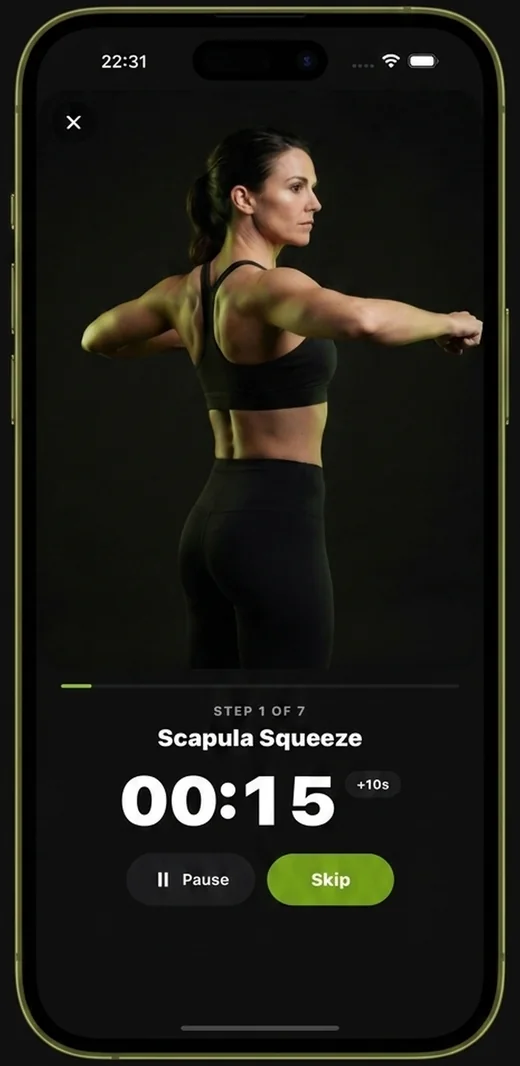
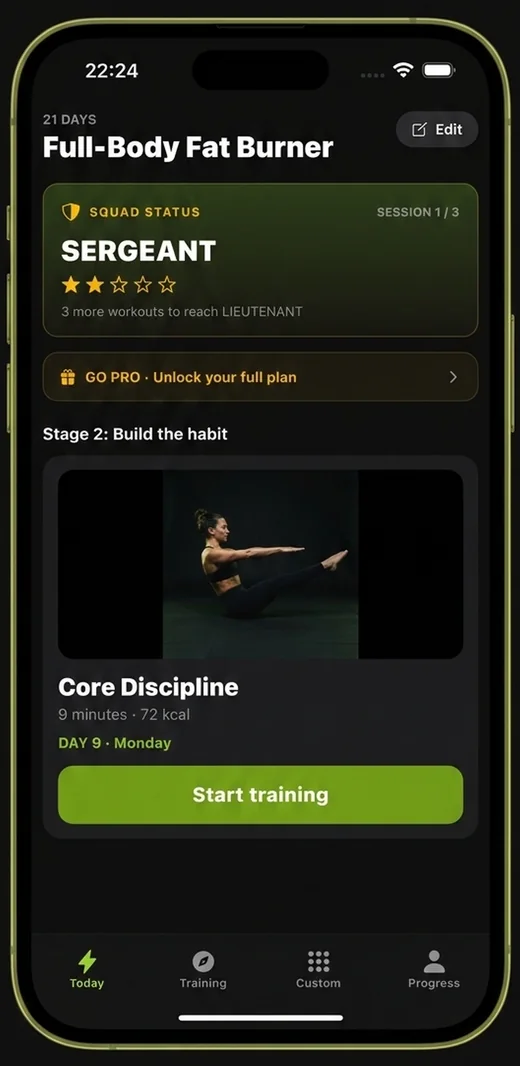
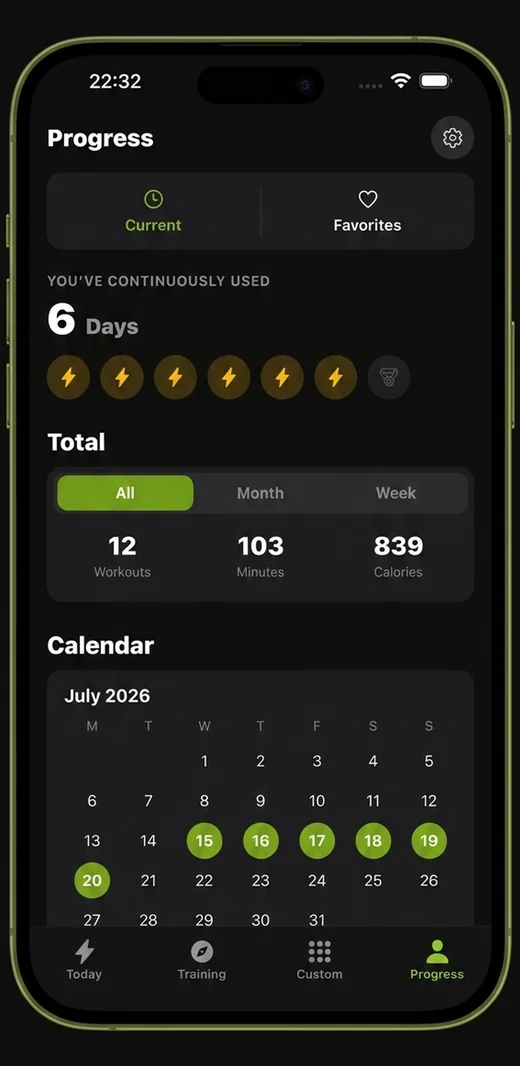
Everything on this site, built into a pocket coach. Military Calisthenics Coach turns the standards into a daily session you can run in a barracks, a garage or a hotel room — timed, tracked and scaled to you.
- A 21-day program that adapts to your level
- Guided timed sessions — no counting, no guessing
- Ranks, streaks and progress you can actually see

The army combat fitness test (ACFT) is a rigorous, six-event assessment designed to measure a person’s physical readiness for the demands of field operations, regardless of their specific role. Unlike older fitness tests that focused purely on endurance, the ACFT emphasizes functional strength, power, and cardiovascular capacity, making it an excellent benchmark for anyone seeking a disciplined, performance-based approach to calisthenics for beginners. By understanding the requirements of these movements, you can structure your own training to mirror the standards held by military personnel while building a resilient, capable physique in any environment.
The Six Events of the ACFT
The ACFT consists of six distinct events that test different energy systems and muscle groups. Familiarizing yourself with these is the first step toward improving your performance.
- Three-Repetition Maximum Deadlift: Tests absolute lower body strength. In the absence of heavy equipment, you can focus on calisthenics leg workout routines that utilize single-leg variations to drive strength gains.
- Standing Power Throw: Measures explosive power. This requires full-body coordination and explosive hip extension.
- Hand-Release Push-Ups: A true test of upper body endurance. You must lower your chest to the ground and extend your arms fully at the side, removing all contact from the floor before pushing back up.
- Sprint-Drag-Carry: This event mimics the fatigue of a combat environment, requiring short bursts of speed followed by heavy exertion.
- Plank: A test of core stability and endurance, requiring you to maintain a rigid body position for a set duration.
- Two-Mile Run: The aerobic component that measures cardiovascular efficiency.
To master these, you must understand what military calisthenics is; it is not just about moving your body, but moving it with total tension and controlled breathing.
Training for Hand-Release Push-Ups
The hand-release push-up is a fundamental movement that separates those with genuine chest and tricep strength from those who rely on momentum. Unlike standard push-ups, the pause at the bottom removes the stretch-reflex, forcing the chest and triceps to initiate the movement from a dead stop.
Form Cues for Success
- Retract the Scapula: Keep your shoulder blades pulled together as you lower yourself.
- The Full Release: Ensure your hands leave the floor completely. If your fingers are touching, the repetition does not count.
- Core Tension: Your body should move as a single unit. If your hips sag, you are compromising your lumbar spine.
To improve your score, use a push-up progression that emphasizes the eccentric phase. Spend three seconds lowering your body to the floor, pause for one second with your hands off the ground, and explode upward. Aim for 4 sets of 8–12 reps with 90 seconds of rest between sets.
Developing Core Stability
The plank is the primary core movement for the ACFT. While many assume that doing thousands of crunches will prepare them, the test actually measures static muscular endurance. You need to train your core to act as a stabilizer rather than a dynamic mover.
Follow this simple weekly progression to build your plank endurance:
| Week | Goal | Set/Rest Strategy |
|---|---|---|
| 1 | 90 Seconds | 3 sets of 30 seconds, 60s rest |
| 2 | 120 Seconds | 3 sets of 40 seconds, 60s rest |
| 3 | 150 Seconds | 3 sets of 50 seconds, 45s rest |
| 4 | 180 Seconds | 2 sets of 90 seconds, 45s rest |
For a more comprehensive approach, integrate these movements into your calisthenics core workout. If you find the standard plank too easy, focus on ‘hollowing’ your body—imagine pushing your lower back toward the ceiling and squeezing your glutes as hard as possible.
Functional Conditioning for the Sprint-Drag-Carry
The Sprint-Drag-Carry requires quick bursts of speed and the ability to maintain composure under high heart rates. To build this capacity without a gym, use interval training that mimics the alternating stress of the event. A simple 20-minute no-gear barracks workout can be adjusted to include high-intensity sprints, burpees, and bear crawls to simulate the fatigue associated with this event.
Building a Routine
Consistency is the hallmark of military-style training. You do not need complex equipment to build combat-ready strength. Focus on the basics, master the form, and track your progress weekly. If you are starting from scratch, consider following the 8-week military calisthenics workout plan to structure your training blocks. This will ensure you are training all major muscle groups while allowing for proper recovery.
Frequently asked questions
How many push-ups should I aim for as a baseline?
For an entry-level trainee, aim to complete 20 consecutive hand-release push-ups with perfect form. Once you hit this mark, focus on reducing your rest periods to improve your overall endurance capacity.
How long does it take to train for the ACFT?
Most trainees see significant improvements within 8 to 12 weeks of disciplined, consistent training. It depends on your current fitness level and how strictly you adhere to your progression schedule.
Can I train for the ACFT using only bodyweight?
Yes, you can develop the necessary strength and endurance using bodyweight movements. While heavy deadlifts are part of the test, you can build the foundation of strength required for it through high-intensity calisthenics and progressive overload.
What is the most important event to focus on?
While all events are important, the hand-release push-up and the plank are the events where most beginners lose the most points. Consistent practice of these two movements will yield the highest return on your investment of time and effort.