The Essential Calisthenics Full Body Workout for Any Fitness Level
Master the fundamental movements with this efficient calisthenics full body workout. Scalable, no-nonsense training built for consistent results.

Military Calisthenics Coach
Take the drill with you
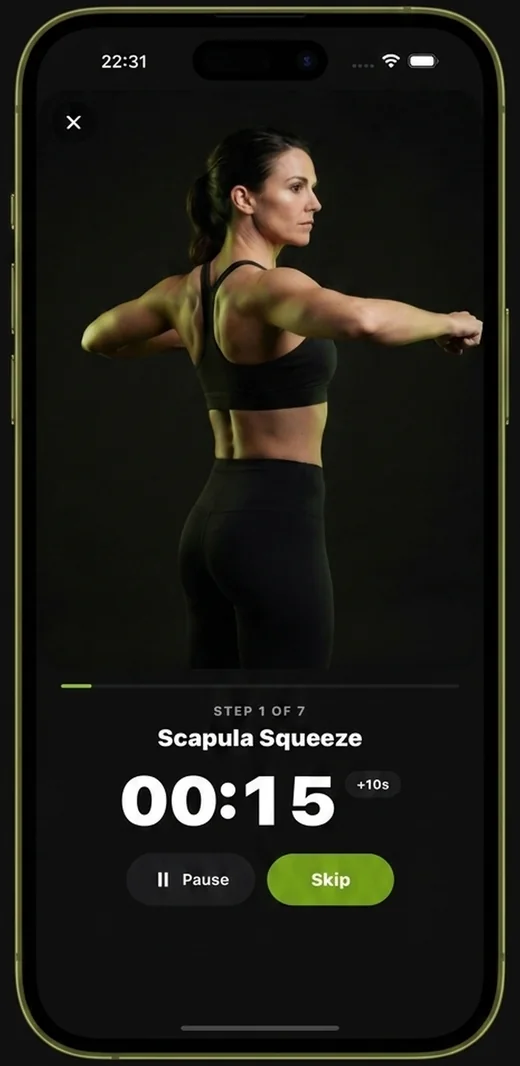
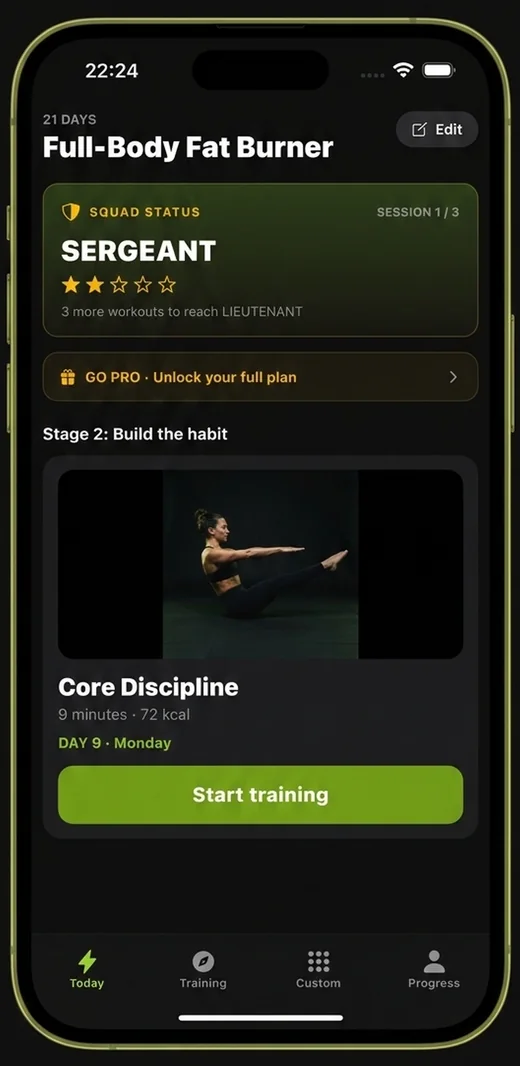
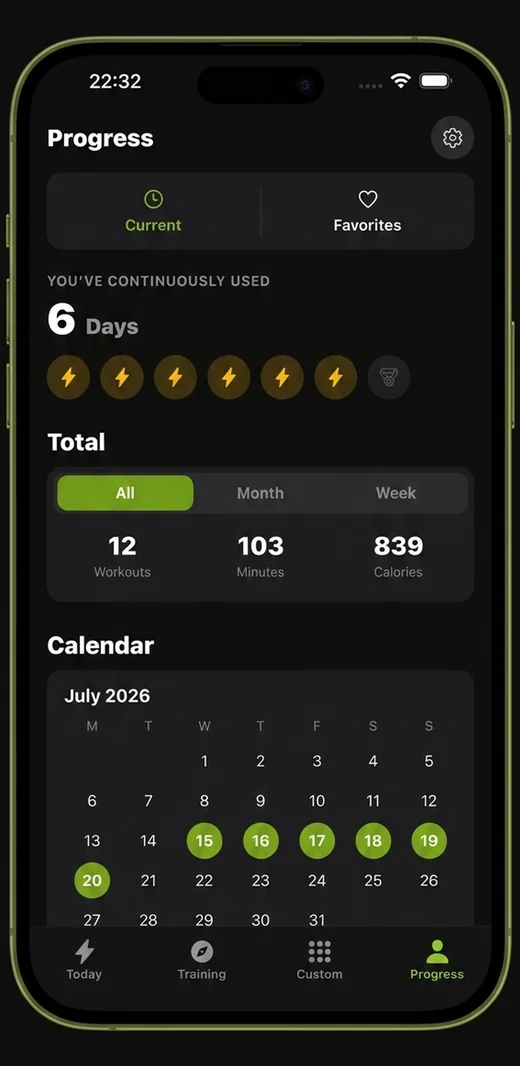
Everything on this site, built into a pocket coach. Military Calisthenics Coach turns the standards into a daily session you can run in a barracks, a garage or a hotel room — timed, tracked and scaled to you.
- A 21-day program that adapts to your level
- Guided timed sessions — no counting, no guessing
- Ranks, streaks and progress you can actually see

A calisthenics full body workout is the most efficient way to build functional strength because it forces your body to operate as a single, integrated unit rather than isolated muscles. Military training protocols rely on this approach because it mimics the demands of real-world physical tasks, ensuring that when you train, you are building usable power, stability, and endurance. By hitting every major movement pattern—pushing, pulling, squatting, hinging, and carrying—in one session, you ensure that no weak links develop in your kinetic chain. This session is designed to be performed three times per week, providing the stimulus needed for adaptation without overtaxing your central nervous system, making it the perfect foundation for anyone interested in what military calisthenics is.
The Anatomy of a Military-Grade Session
Military fitness doctrine, such as that outlined in field manuals like FM 7-22, emphasizes a logical progression of exercises: start with high-skill movements that require significant coordination and finish with muscle endurance and core stabilization. We do not use machines; we use gravity and body weight to establish baseline physical competency. Whether you are performing this calisthenics at home or in a local park, the standards remain the same. The goal is perfection of movement first, followed by volume. If you find yourself struggling to maintain form, regress to an easier variation immediately rather than compromising your safety.
The Movements and Prescriptions
The following routine is structured to be completed in approximately 45 minutes. Rest between sets should be 90 to 120 seconds for strength-focused movements and 60 seconds for endurance-focused movements.
- Pull-ups (Pulling): 3 sets to 2 reps shy of failure. If you cannot perform a strict pull-up, follow the dead-hang to strict pull-up progression.
- Push-ups (Pushing): 4 sets of 15–25 reps. Keep your core tight and elbows tucked at 45 degrees. Use push up progression if standard push-ups are too difficult.
- Bodyweight Squats (Squatting): 4 sets of 30–50 reps. Ensure your hips drop below the top of your knees.
- Inverted Rows (Horizontal Pulling): 3 sets of 10–15 reps. Focus on pulling your chest to the bar and squeezing your shoulder blades together.
- Lunges (Unilateral Leg Work): 3 sets of 15 reps per leg. Keep your torso upright.
- Plank (Core): 3 sets of 60–90 seconds. Maintain a posterior pelvic tilt to engage your abdominals.
Establishing Standards for Success
In a barracks setting, performance is measured against objective standards. You need to know where you stand to improve. Use the following table to track your progress over the next four weeks. Consistency is the primary driver of results. If you are looking for a more structured long-term approach, you can combine this session with the 8-week military calisthenics workout plan to ensure you are consistently adding volume or difficulty.
| Movement | Beginner Standard | Advanced Standard |
|---|---|---|
| Pull-ups | 1-3 Reps | 15+ Reps |
| Push-ups | 15 Reps | 60+ Reps in 2 min |
| Squats | 25 Reps | 100+ Reps |
| Plank | 30 Seconds | 3+ Minutes |
Scaling for Every Ability Level
Effective training is about managing the load. If a movement is too difficult, you aren’t training; you are just struggling. For push-ups, if you cannot maintain a rigid plank, elevate your hands on a bench or sturdy surface. This allows you to accumulate the necessary volume while your chest and triceps develop. For pull-ups, use bands or focus on slow eccentric (lowering) repetitions. The key is to keep moving with intention. If you are looking for a more specialized approach, military calisthenics for women provides specific considerations for scaling the same high-standard movements to ensure progression is linear and safe for every trainee.
Managing Recovery and Consistency
Training three times a week is effective only if you recover between sessions. In the military, you are often expected to perform under sub-optimal conditions, but for civilian training, sleep and nutrition are your primary recovery tools. Do not mistake ‘no-nonsense’ for ‘no-recovery.’ If your performance in the gym is dropping, you are likely failing to recover. Use your off-days for active recovery like walking, light mobility work, or stretching. Consult calisthenics mobility exercises to ensure your joints remain supple and your movement patterns fluid. Remember that the goal is not to exhaust yourself every single day, but to provide enough stimulus to force your body to adapt and grow stronger for the next session.
Building a Sustainable Routine
Once you have mastered the basics of this session, you can introduce variations to target specific weaknesses. If your upper body strength lags, add calisthenics chest workout variations like diamond push-ups or decline push-ups to your routine. If your core is the limiting factor, integrate more challenging calisthenics core workout movements like hanging leg raises. The beauty of this training method is its simplicity; it requires no membership and no fancy equipment. Whether you are using a calisthenics park or a simple doorframe pull-up bar, you have everything required to hit these movement patterns hard and effectively. Keep your logbook, record your reps, and beat your numbers from the previous week.
Frequently asked questions
How many times a week should I perform this full-body workout?
Perform this workout three times per week with at least one rest day in between, such as Monday, Wednesday, and Friday. This frequency allows for sufficient stimulus to build strength while providing enough recovery time for your central nervous system and muscles.
How long will it take to see visible results?
Most trainees will notice significant improvements in their muscular endurance and movement competency within four to six weeks of consistent adherence. Focus on beating your previous rep counts every session rather than worrying about mirror changes, as the physical adaptation will follow the performance gains.
Can I do this workout if I am a complete beginner?
Yes, this workout is highly scalable. You can adjust the intensity of every movement—such as performing incline push-ups or using resistance bands for pull-ups—to ensure you are training at the right level while you build the strength required for standard movements.
What do I need to get started?
This routine requires minimal gear. At a minimum, you need a sturdy pull-up bar, a flat surface for push-ups, and enough space to move. Having access to a calisthenics park is an advantage, but you can effectively perform this entire session with just a basic home setup.