Dead Hang Benefits: A Military-Style Guide to Grip and Shoulders
Improve your pull-up capacity and shoulder health with dead hang benefits. Learn how to master grip strength for military fitness standards.

Military Calisthenics Coach
Take the drill with you
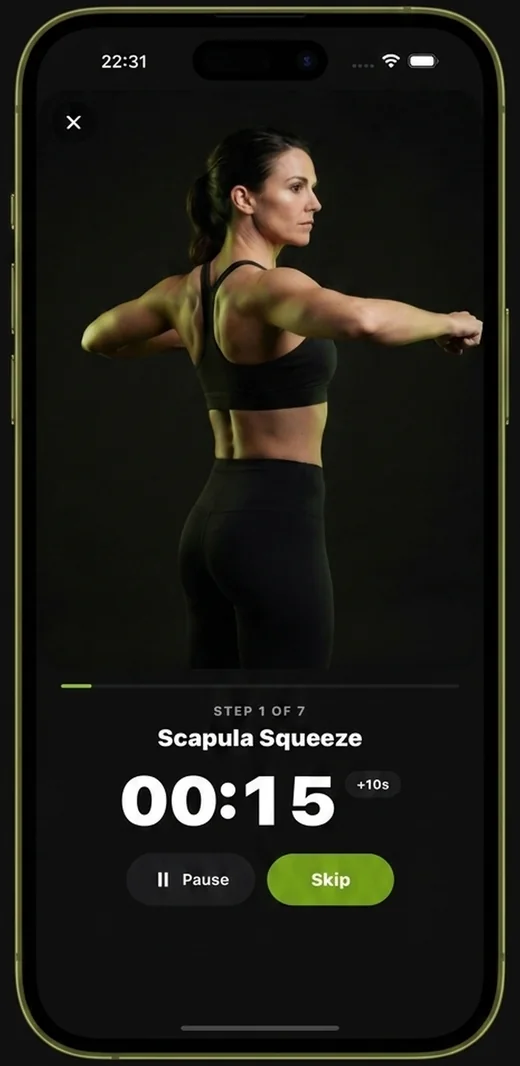
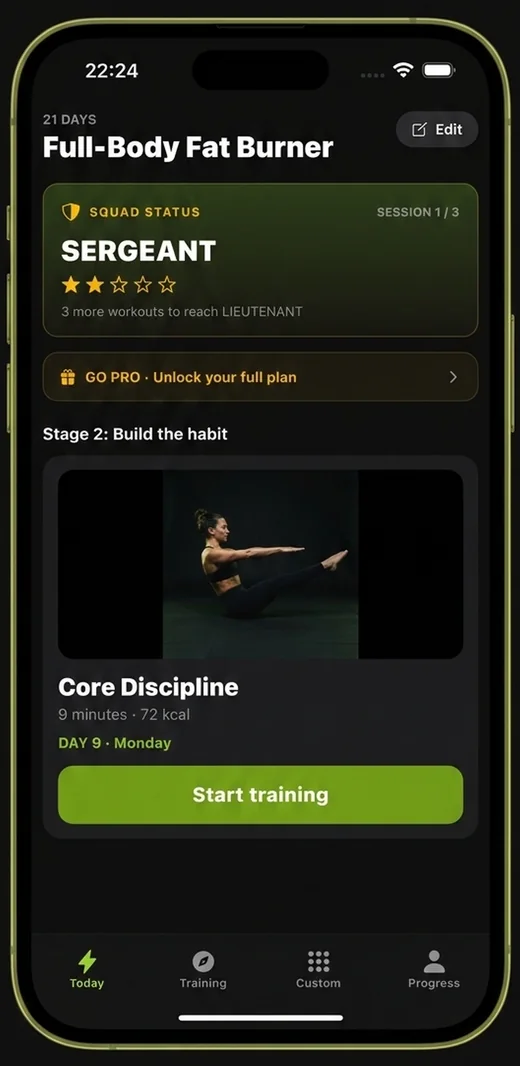
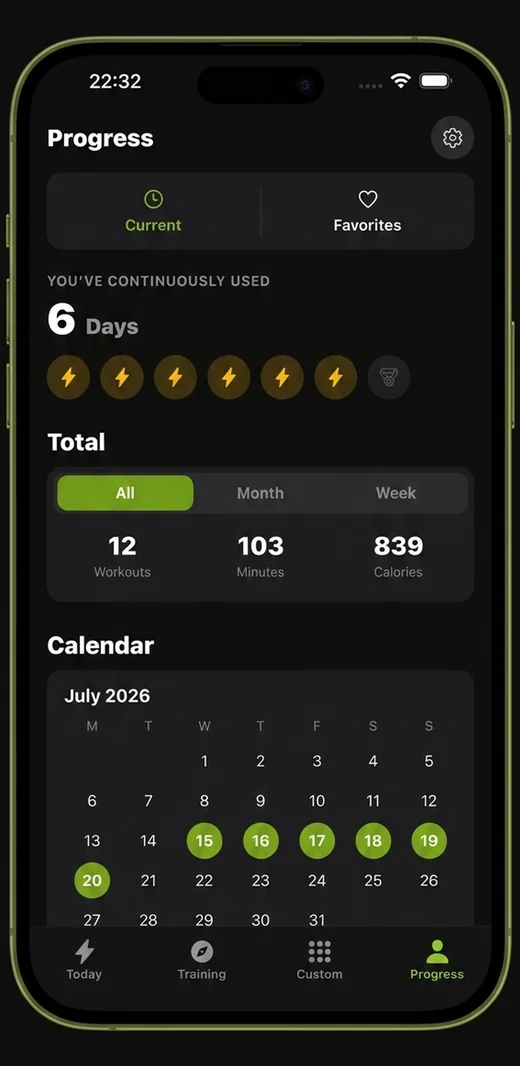
Everything on this site, built into a pocket coach. Military Calisthenics Coach turns the standards into a daily session you can run in a barracks, a garage or a hotel room — timed, tracked and scaled to you.
- A 21-day program that adapts to your level
- Guided timed sessions — no counting, no guessing
- Ranks, streaks and progress you can actually see

The primary dead hang benefits include improved shoulder mobility, spinal decompression, and significant development of dead hang grip strength. For any individual training to meet military fitness test standards, the hang is not merely a recovery position; it is a foundational movement that builds the raw connective tissue resilience required for high-volume pull-up performance. When you understand what military calisthenics is, you realize that simplicity is the ultimate sophistication. A dead hang requires nothing more than a bar, gravity, and the discipline to remain static under tension.
The Anatomy of a Proper Hang
To derive the intended physiological benefit, you must distinguish between passive and active hangs. A passive hang allows the shoulder girdle to fully release into a deep stretch, providing excellent thoracic spine decompression. In contrast, an active (or ‘scapular’) hang requires you to depress the shoulder blades downward, effectively engaging the lats and stabilizing the rotator cuff.
Form Checklist for a Standard Hang
- Grip: Hands slightly wider than shoulder-width.
- Tension: Keep your legs straight or knees slightly bent with ankles crossed to engage the core.
- Breathing: Maintain a steady, rhythmic breath. Do not hold your breath.
- Scapular position: For a passive hang, allow your ears to come close to your shoulders. For an active hang, keep your shoulders away from your ears.
Beginners often struggle with skin sensitivity on the palms. If you are training calisthenics for beginners, aim for shorter, frequent sessions rather than one long, painful attempt. This builds calluses naturally without causing unnecessary blistering.
Developing Dead Hang Grip Strength
Your ability to hold a bar is the limiting factor for many movements, including the dead-hang to strict pull-up progression. If your hands fail, your back and biceps cannot be recruited to their full potential. The transfer of this strength to other areas of training is massive. Specifically, ruck-ready conditioning relies heavily on the ability to maintain a firm grip under load for extended periods. When you train your grip on the bar, you are effectively training the forearm endurance needed to manage heavy packs and equipment in the field.
Weekly Dead Hang Protocol
Follow this progression to see consistent improvements. Rest two minutes between sets.
| Week | Frequency | Target Hold Time |
|---|---|---|
| 1 | 3 sessions/week | 3 sets of 20 seconds |
| 2 | 3 sessions/week | 3 sets of 30 seconds |
| 3 | 4 sessions/week | 3 sets of 45 seconds |
| 4 | 4 sessions/week | 3 sets of 60 seconds |
Shoulder Health and Mobility
Modern desk-bound posture frequently leads to internal rotation of the shoulders and thoracic stiffness. Regularly incorporating hanging into your calisthenics warm up routine serves as a corrective measure. By elongating the lats and pectorals, you reverse the hunched posture that often plagues those who prioritize heavy pushing over pulling. This is essential for anyone following the 8-week military calisthenics workout plan. If you lack the overhead range of motion to reach a full hang, start by using a slightly lower bar where your feet can assist, gradually decreasing the amount of weight supported by your legs until you are in a full, unsupported hang.
When to Avoid Hanging
While the benefits are significant, hanging is not universal. If you have a history of labral tears, impingement syndrome, or chronic shoulder instability, consult a physical therapist before including this in your regimen. Additionally, if you feel sharp, shooting pain during the movement, discontinue immediately. A coach would tell you that training through structural joint pain is not ‘toughness’; it is a quick route to a training plateau. Use calisthenics mobility exercises to prepare the joint before attempting full-load hanging.
Integrating with Pull-Up Volume
Many trainees treat the dead hang as a separate entity from their pulling work. For optimal results, use the hang as a preparatory drill. Before you attempt a high-volume set of pull-ups, perform a 15-second active hang to ‘set’ your shoulders. This creates a neural connection to the latissimus dorsi, ensuring you initiate your pull-ups from the back rather than the biceps. This integration is a standard practice in upper body calisthenics training and ensures that you maintain consistent standards across all reps, regardless of fatigue.
Frequently Asked Questions
How long should a beginner hang for?
Most beginners should start with three sets of 15 to 20 seconds. If you cannot reach 15 seconds, use a box or a calisthenics bar set at a height where your toes can remain on the ground to reduce the load until your forearms adapt.
Can I hang every day?
Yes, you can perform light, short-duration hangs daily for mobility purposes. However, if you are performing heavy, high-intensity hangs for grip strength, limit these to three or four times per week to allow for proper recovery of the tendons in your forearms and elbows.
Does hanging help with pull-ups?
Absolutely, as it builds the foundational grip strength and shoulder endurance necessary for the movement. By mastering the hang, you ensure that your grip does not fail before your back muscles do during a set of pull-ups.
What is the difference between active and passive hangs?
A passive hang is a full-body stretch that emphasizes decompression of the spine and shoulders. An active hang involves engaging your scapular retractors, which builds the specific muscle control needed to initiate a pull-up from a dead stop.