Calisthenics Over 40: A Proven Plan for Sustainable Strength
Mastering calisthenics over 40 requires a focus on joint health, consistent volume, and smart recovery. Use this military-style guide to build your strength.

Military Calisthenics Coach
Take the drill with you
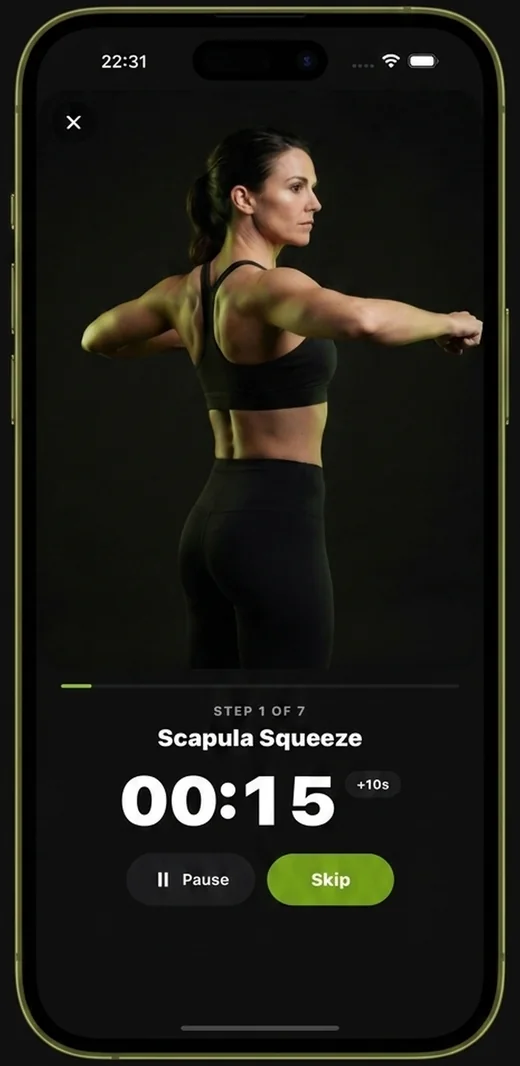
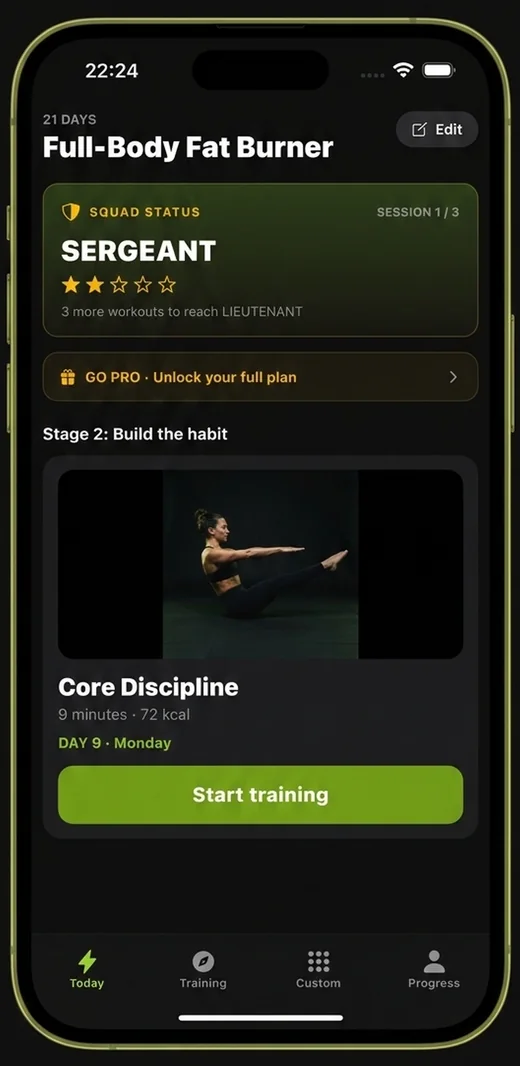
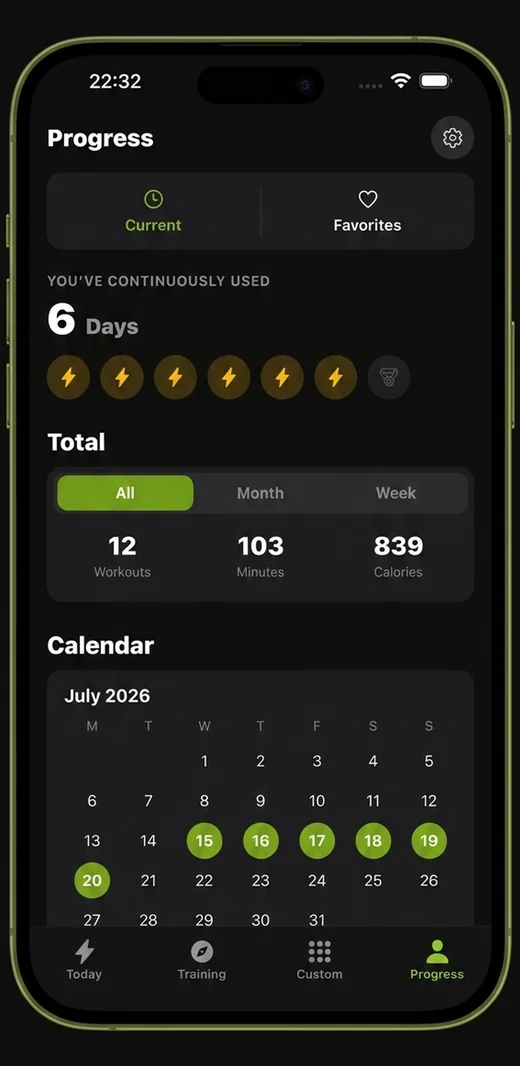
Everything on this site, built into a pocket coach. Military Calisthenics Coach turns the standards into a daily session you can run in a barracks, a garage or a hotel room — timed, tracked and scaled to you.
- A 21-day program that adapts to your level
- Guided timed sessions — no counting, no guessing
- Ranks, streaks and progress you can actually see

Calisthenics over 40 is not about attempting advanced acrobatics immediately, but about applying disciplined, consistent bodyweight training to build a functional, resilient frame that lasts a lifetime. You are not fighting against your age; you are refining your approach to prioritize joint integrity, recovery capacity, and movement standards. In the military, training is designed to be scalable from the rawest recruit to the seasoned operator, and that same principle applies here. If your joints ache or your recovery feels slower than it did in your twenties, it is a signal to optimize your mechanical efficiency rather than a sign that you should stop pushing yourself. By focusing on fundamental movements and strict adherence to form, you can achieve strength levels that rival those of much younger athletes while minimizing the risk of connective tissue injury. Understanding what military calisthenics is starts with recognizing that simple movements—performed perfectly under fatigue—are the hallmark of elite physical readiness.
The Architecture of Training Past 40
Want the military version with a printable 8-week schedule? See the free military calisthenics over 40 plan, which applies everything below to a structured, test-driven block you can save as a PDF.
The primary shift in training when you pass 40 is moving from a philosophy of “more is better” to “better is better.” In a standard calisthenics full body workout, younger trainees might get away with erratic form and minimal warm-ups. As you mature, your connective tissues—tendons and ligaments—require more time to adapt to load than your muscles do. Start every session with a dedicated calisthenics warm up routine. This is non-negotiable. Spend at least 10 minutes increasing blood flow and mobilizing the shoulders, hips, and ankles. If you are training calisthenics at home, use this time to ensure your environment is clear and your equipment is secure. A common failure point for athletes in this demographic is jumping into high-intensity sets before the synovial fluid in the joints has warmed up. This increases friction and risk of impingement. When you perform your movements, utilize a tempo of 2 seconds down, 1 second hold at the bottom, and 1 second up. This tempo forces control, removes momentum, and reduces the shock load on your joints.
The Weekly Template: Sustainable Consistency
Consistency is the only metric that matters in long-term physical conditioning. A typical military approach relies on a predictable, repeatable structure. For those performing calisthenics for beginners past 40, aim for three sessions per week with at least one rest day in between. This allows the nervous system to recover, which is critical for maintaining output as you age. Use the following weekly structure to balance intensity and recovery. Each session should be capped at 60 minutes. If you find yourself needing more, you are likely not training with enough intensity during the working sets.
| Day | Focus Area | Example Movement | Target Intensity |
|---|---|---|---|
| Monday | Upper Body Push/Pull | Push-ups & Rows | 70-80% Capacity |
| Tuesday | Active Recovery | Mobility/Walking | Low Impact |
| Wednesday | Lower Body & Core | Squats & Planks | 70-80% Capacity |
| Thursday | Active Recovery | Mobility/Stretching | Low Impact |
| Friday | Full Body Compound | Burpees/Pull-ups | 80-90% Capacity |
| Saturday | Optional Light Work | Skills Practice | Skill focused |
| Sunday | Rest | Complete Rest | N/A |
Managing Joint Health and Recovery
Recovery is part of the work, not an absence of it. In the field, downtime is often spent maintaining gear or resting; your body is your gear, and it requires maintenance. Incorporate active recovery sessions to manage inflammation. This might involve low-intensity swimming, long rucks, or dedicated calisthenics mobility exercises. When you feel excessive joint pain—not to be confused with muscle soreness—scale back the range of motion. For example, if your shoulders bother you during a deep push-up, use a push up progression that allows for a shorter range of motion or elevated hands until the joint adapts. You can also explore the 20-minute no-gear barracks workout as a way to maintain volume without excessive strain when time or energy levels are tight.
Standards-Driven Progression
Progression in military-style training is not guessing; it is measuring. If you can perform 10 perfect push-ups today, your goal for next week is 11, or perhaps reducing the rest time between sets by 10 seconds. Do not add weight through weighted calisthenics until you have mastered strict, high-volume bodyweight movements. If you are struggling with vertical pulling, prioritize the dead-hang to strict pull-up progression. Many trainees over 40 attempt to ‘kipping’ pull-ups before they have built the foundational strength to protect their shoulder girdles. Stick to strict movements. If you need a framework to track this, use the 8-week military calisthenics workout plan to structure your progression. Document your reps, your sets, and your RPE (Rate of Perceived Exertion) on a simple chart. If you cannot maintain the tempo mentioned earlier, your set is finished. In the military, a rep that doesn’t meet the standard is a rep that doesn’t count.
Frequently asked questions
How often should I train calisthenics over 40?
Aim for three to four days per week. This provides enough stimulus to drive adaptation while ensuring you have adequate recovery time, which is critical for connective tissue health as you age.
Can I start calisthenics if I have joint pain?
Yes, but you must modify the intensity and range of motion. Use regressions like elevated push-ups or assisted squats to reduce the load on your joints while you rebuild your baseline strength.
How long until I see results?
If you maintain consistent training and follow a structured program, you will notice improvements in muscular endurance and movement quality within 4 to 6 weeks. Physical transformation is a process of months, not days.
Do I need to follow a strict diet?
While training is the primary driver of physical performance, adequate protein intake is essential for muscle repair and recovery after age 40. Aim for a consistent intake of high-quality protein to support the stress you place on your body during training sessions.