Mastering Resistance Band Calisthenics for Military Fitness
Learn to use resistance band calisthenics to scale your bodyweight training, assist pull-ups, and add load for a standard-driven, military-style routine.

Military Calisthenics Coach
Take the drill with you
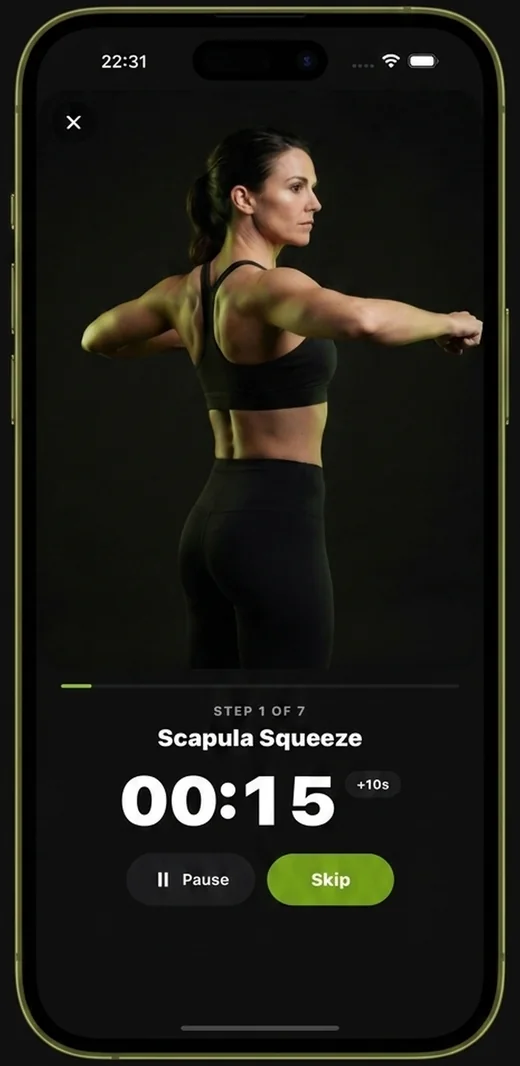
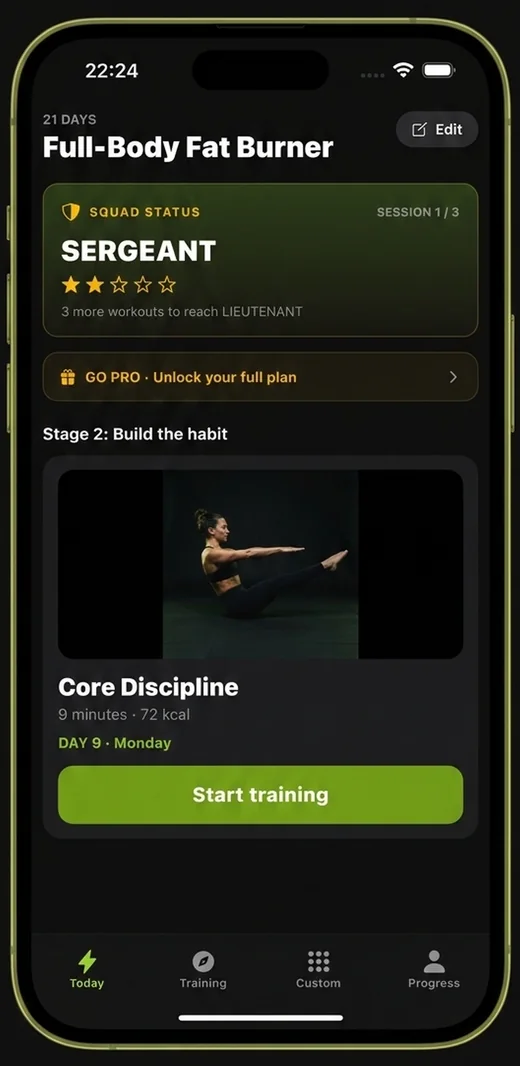
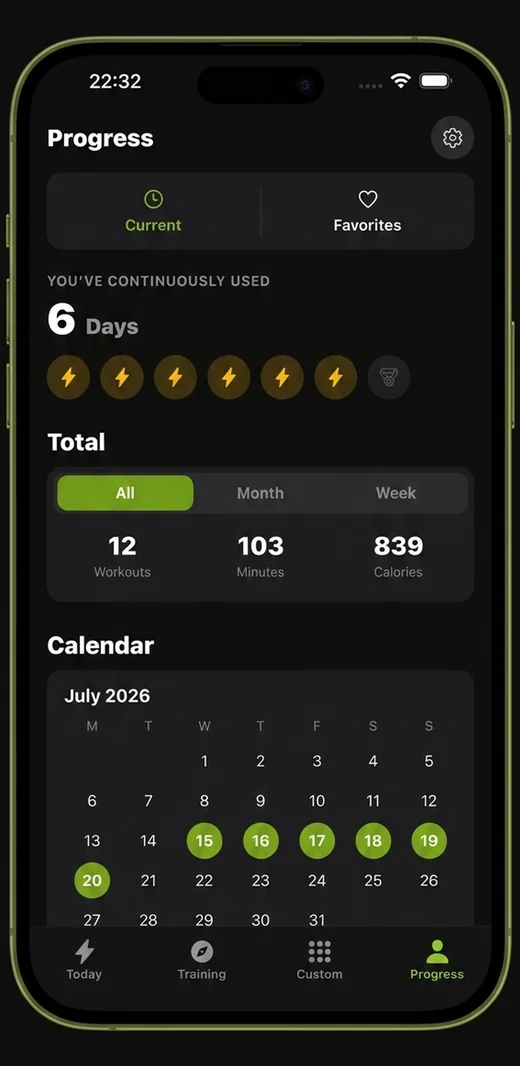
Everything on this site, built into a pocket coach. Military Calisthenics Coach turns the standards into a daily session you can run in a barracks, a garage or a hotel room — timed, tracked and scaled to you.
- A 21-day program that adapts to your level
- Guided timed sessions — no counting, no guessing
- Ranks, streaks and progress you can actually see

Using resistance band calisthenics provides a versatile method for scaling bodyweight movements, whether you need to assist a challenging pull-up or increase the intensity of a standard push-up. In the military, training is predicated on doing more with less, which is exactly why bands are a critical piece of calisthenics equipment. By leveraging bands, you ensure that even as a complete beginner, you maintain the strict form standards required to eventually pass a military fitness test standards assessment without relying on bulky gym machinery.
Understanding Band Assistance vs. Resistance
The fundamental logic of utilizing bands is split into two distinct categories: assistance and resistance. Assistance involves using the elastic tension to offset your body weight, making difficult movements like pull-ups or dips achievable. Resistance, conversely, involves placing the band against the movement to create external load, mimicking a weighted vest or a barbell.
Assistance for Volume and Skill Acquisition
If you cannot yet perform a strict repetition, assistance bands act as an artificial floor for your performance. When training for the the dead-hang to strict pull-up progression, place a heavy-duty loop band over the bar and step one foot or knee into the loop. This reduces the total load your back and biceps must overcome, allowing you to focus on the full range of motion. Use the following rule: stop using the band once you can perform three sets of six strict repetitions with zero assistance. Dependence on bands after this point slows progress by removing the neuromuscular demand required for growth.
Resistance for Increasing Intensity
When bodyweight alone becomes too easy, you do not necessarily need a weight vest. Resistance band calisthenics allow you to add load to movements like push up progression or squats. Drape the band behind your back and secure the ends under your palms during push-ups. This forces your chest and triceps to fight against the rising tension as you reach the top of the movement. This is a primary method for maintaining the high-intensity, no-nonsense protocol found in the 20-minute no-gear barracks workout.
Selecting the Right Band Strength
Bands are color-coded based on resistance, though brands vary. As a general rule, follow the progression below to move from dependent to independent training.
| Band Type | Primary Use Case | Goal Status |
|---|---|---|
| Heavy/Thick | Assistance for Pull-ups/Dips | Entry level - High support |
| Medium | Assistance for Pull-ups | Intermediate - Moderate support |
| Light | Resistance for Push-ups/Rows | Scaling up - Added load |
| Extra Light | Resistance for Prehab/Isolations | Peak performance |
Core Movements and Application
To build a physique capable of meeting the demands of the 8-week military calisthenics workout plan, integrate these movements into your session:
- Banded Pull-ups: Set the band as described above. Ensure your chin clears the bar fully and descend to a dead hang. Do not kip. The band should stabilize the bottom position, not swing you into the top.
- Banded Rows: Stand on the center of the band and hold the ends. Hinge at the hips, keeping your spine neutral. Pull your elbows back until your hands hit your ribcage. This builds the posterior chain strength necessary for calisthenics back workout.
- Banded Pull-aparts: Hold the band in front of you with straight arms. Pull your hands apart until the band touches your chest. This is a critical exercise for shoulder health and should be included in every calisthenics warm up routine.
Safety and Anchoring Standards
Safety is non-negotiable. If a band snaps under high tension, it can cause significant injury. Always inspect your bands for dry rot, nicks, or tears before every session. If you are anchoring a band to a fixed object—such as a sturdy pole or a calisthenics bars setup—ensure there are no sharp edges that could fray the rubber. When using a door anchor, ensure the door is locked and the anchor is positioned on the side where the door pulls shut against the frame. Never stand directly in the line of a potential snap-back; always maintain a controlled, slow tempo to prevent the band from oscillating violently.
Progression Standards for Beginners
If you are starting your journey with calisthenics for beginners, do not rush to heavy resistance. Focus on total control. Start your sets with a 3-second eccentric (downward) phase. If the band prevents you from controlling the movement at any point, the resistance is too high. Your goal is to move toward lower band tensions over a 4 to 6-week block. By the end of this cycle, you should be able to perform your base movements with perfect form and reduced assistance.
Frequently asked questions
How many repetitions should I aim for with resistance bands?
Aim for 8 to 12 repetitions per set when using bands for resistance to maximize muscle hypertrophy. If you are using bands for assistance to learn a movement, stay in the 5 to 8 rep range to maintain high intensity while keeping your form flawless.
How long should I use bands for pull-up assistance?
Use bands only until you can complete 3 sets of 5 strict repetitions without any support. Once you hit this milestone, remove the band entirely and switch to negatives or isometric holds to build final-phase strength.
Can I replace a weighted vest with resistance bands?
Yes, bands are an excellent, portable alternative to a weighted vest for many movements like push-ups and squats. While they provide variable resistance rather than constant weight, they are highly effective for building explosive power and endurance.
What is the best way to clean my resistance bands?
Clean your bands with a damp cloth and mild soap after every session to remove sweat and oils that cause degradation. Dry them thoroughly away from direct sunlight, which can cause the rubber to become brittle and crack over time.