Coast Guard PT Test: Training Guide and Standards
Master the Coast Guard PT test with our structured guide. Learn to build push-up, sit-up, and swimming proficiency using proven military training principles.

Military Calisthenics Coach
Take the drill with you
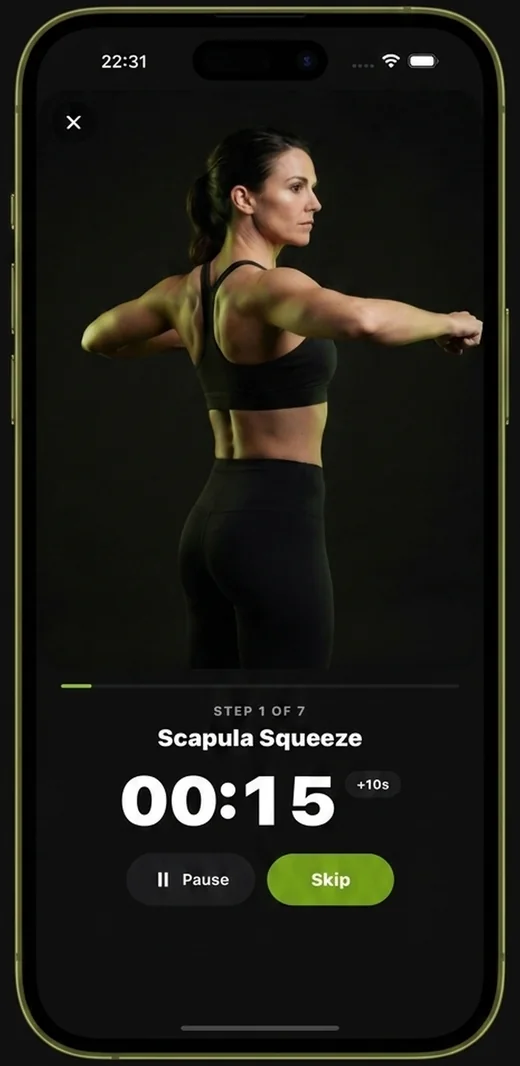
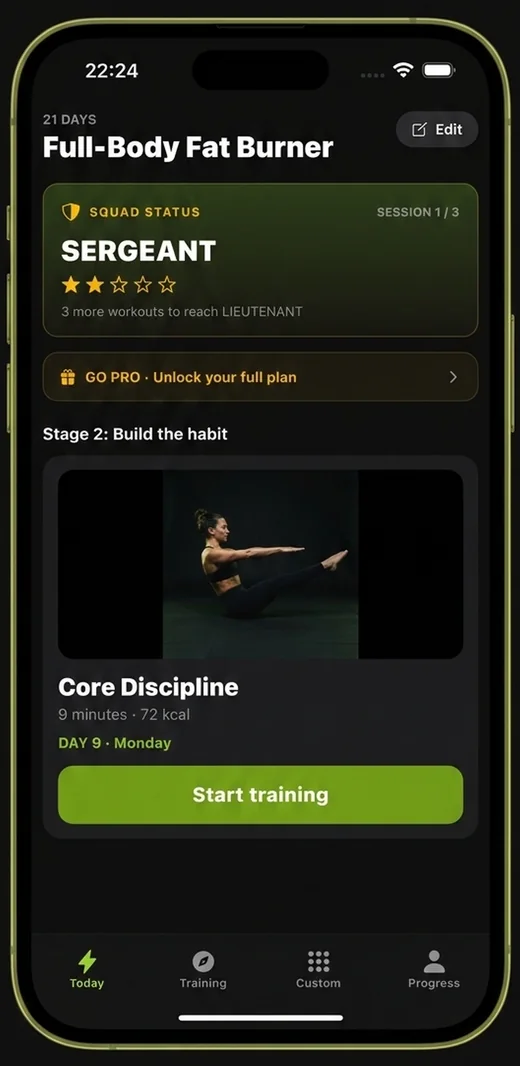
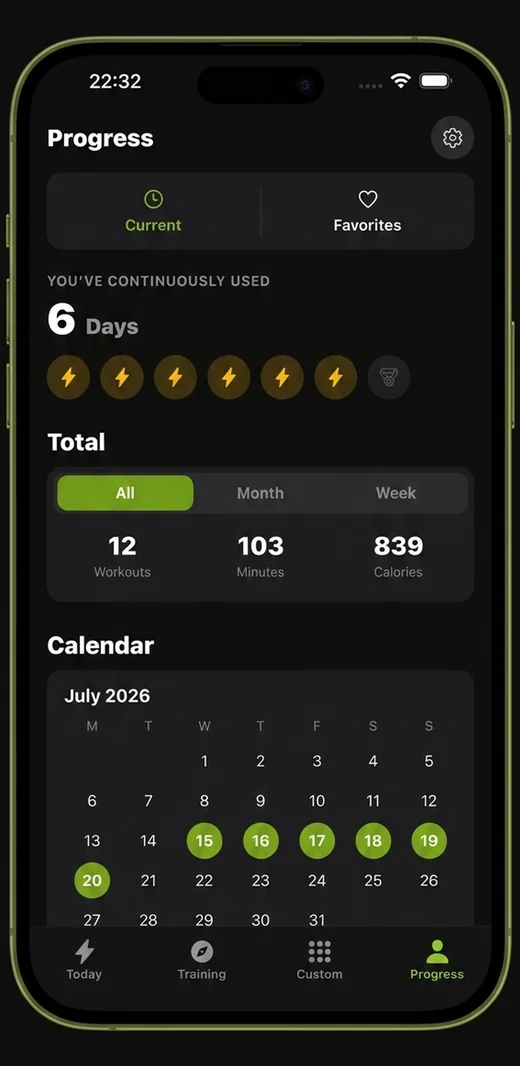
Everything on this site, built into a pocket coach. Military Calisthenics Coach turns the standards into a daily session you can run in a barracks, a garage or a hotel room — timed, tracked and scaled to you.
- A 21-day program that adapts to your level
- Guided timed sessions — no counting, no guessing
- Ranks, streaks and progress you can actually see

The Coast Guard PT test serves as a fundamental benchmark for operational readiness, requiring a blend of muscular endurance and cardiovascular capacity that differs from other service branches due to its mandatory swim component. Understanding the requirements for this assessment is the first step toward building a baseline of fitness that mirrors the demands of service life. While specific passing criteria can shift based on administrative updates, your objective remains constant: develop a high level of work capacity through what military calisthenics is to ensure you never fall behind in the water or on the track. Whether you are preparing for a career or simply seeking to improve your personal performance, the following protocol provides a repeatable, no-nonsense framework to hit your numbers.
Understanding the Events
Unlike the Air Force PT test or the Army Combat Fitness Test, the Coast Guard emphasizes water survival skills alongside traditional calisthenics. The primary components typically include a timed swim, strict push-ups, and sit-ups.
- The Swim: This is the differentiator. You are expected to demonstrate endurance and efficiency in the water, which requires consistent practice rather than just dry-land strength. If your technique is inefficient, you will tire regardless of your muscle mass.
- Push-Ups: These must be performed to a strict standard. The chest must approach the floor, and the elbows must lock out completely. Common errors include ‘worming’ the body or failing to maintain a rigid plank. Practice push up progression to ensure you are building strength through the full range of motion.
- Sit-Ups: Focus on control. This event tests core endurance. Many trainees fail by using momentum or failing to anchor their feet properly. If you find your core lacking, integrate calisthenics core workout sessions into your routine to build the required stability.
The Training Build-Up Plan
Consistency is the hallmark of military fitness. Use this four-week block to prepare your body for the physical toll of the test. If you are a complete beginner, start with the ‘volume’ column and focus on perfect form. If you are experienced, prioritize the ‘tempo’ to increase time under tension.
| Week | Push-Ups (Sets x Reps) | Sit-Ups (Sets x Reps) | Cardio/Swim Focus |
|---|---|---|---|
| 1 | 3 x 10 | 3 x 15 | 20 min steady swim |
| 2 | 3 x 15 | 3 x 20 | 25 min steady swim |
| 3 | 4 x 15 | 4 x 20 | 20 min interval swim |
| 4 | 4 x 20 | 4 x 25 | 30 min steady swim |
During your sessions, treat every repetition as if it were being graded by a proctor. For the push-ups, use a 2-second descent and a 1-second ascent. If you cannot maintain this tempo, decrease the total reps per set rather than compromising your form.
Mastering the Swim Component
Many candidates overlook the swim, assuming their running base will carry them through. This is a mistake. The swim component of the Coast Guard PT test requires specific pacing. Start your training by focusing on ‘the catch’—the initial phase of the stroke where you pull water back.
If you have limited pool access, simulate the fatigue of swimming by performing the 20-minute no-gear barracks workout with shorter rest intervals. This forces your heart rate to remain elevated under duress, mimicking the metabolic demand of a timed swim. Aim to incorporate at least two pool sessions per week, focusing on breathing rhythm rather than pure speed for the first two weeks.
Building Calisthenics Proficiency
To excel at the Coast Guard PT test, you need to turn your body into a efficient machine. Military PT is not about ‘feeling the burn’; it is about meeting a standard. If you struggle with the volume of sit-ups or push-ups, do not simply add more reps to your workouts. Instead, implement a ‘greasing the groove’ approach where you perform smaller sets of high-quality movements throughout the day.
For those who need a structured path to higher volume, follow the 8-week military calisthenics workout plan to ensure you are not just getting better at the tests, but building a durable, functional physique. Remember: volume is earned through consistent, incremental increases in work capacity.
Frequently asked questions
How many push-ups do I need for the test?
Standards change, so you must always check the official Coast Guard recruiting website for the latest minimums based on your age and gender. Generally, aim for at least 30-40 reps to ensure you are well above the baseline for initial qualification.
Can I train for the swim at home?
While you cannot perform the actual swim stroke without a pool, you can improve your anaerobic threshold at home with high-intensity circuit training. Exercises like burpees and mountain climbers will prepare your cardiovascular system for the stress of the swim.
What is the most common reason for failure?
Most candidates fail due to poor form on push-ups or pacing errors during the swim. Failing to lock out your elbows or using momentum during sit-ups will lead to ‘no-counts,’ which can prevent you from reaching the necessary total to pass.
How long should I rest between sets?
For standard test preparation, keep your rest periods between 60 and 90 seconds. This duration allows for enough recovery to maintain good form in subsequent sets while keeping your heart rate high enough to build the required endurance.