Effective Pull Up Alternatives for Building Military-Grade Strength
Master your bodyweight with these effective pull up alternatives. Build the strength needed for your first strict rep using simple, no-nonsense movements.

Military Calisthenics Coach
Take the drill with you
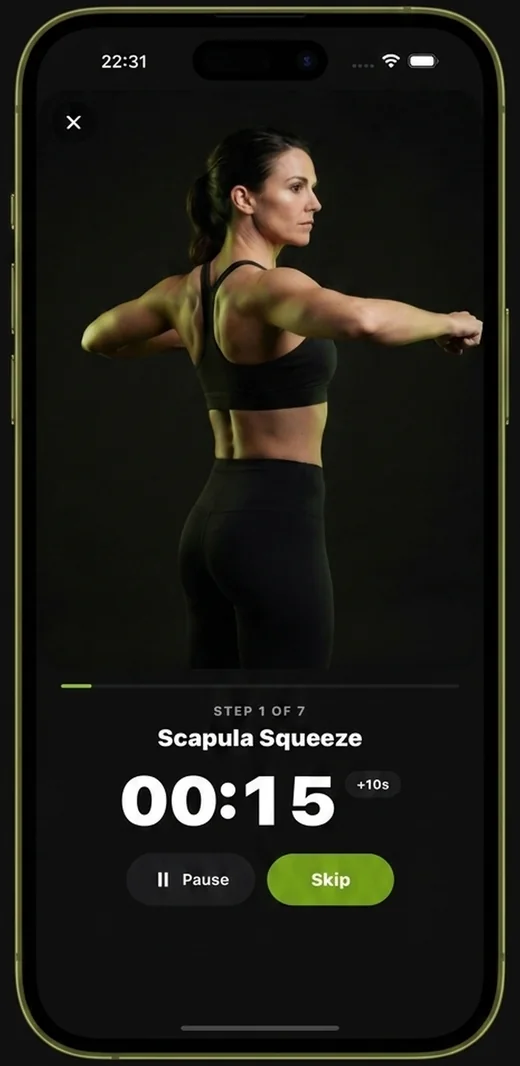
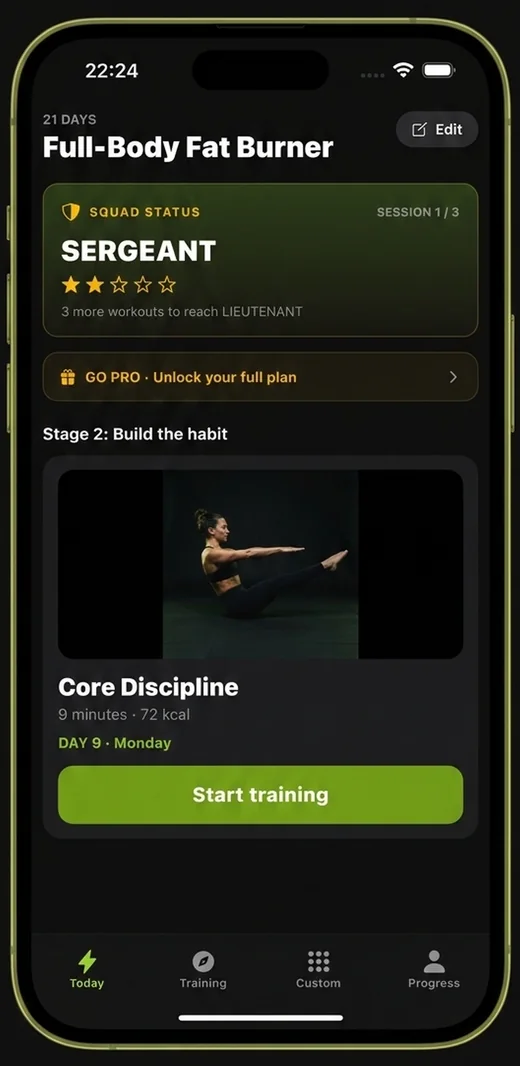
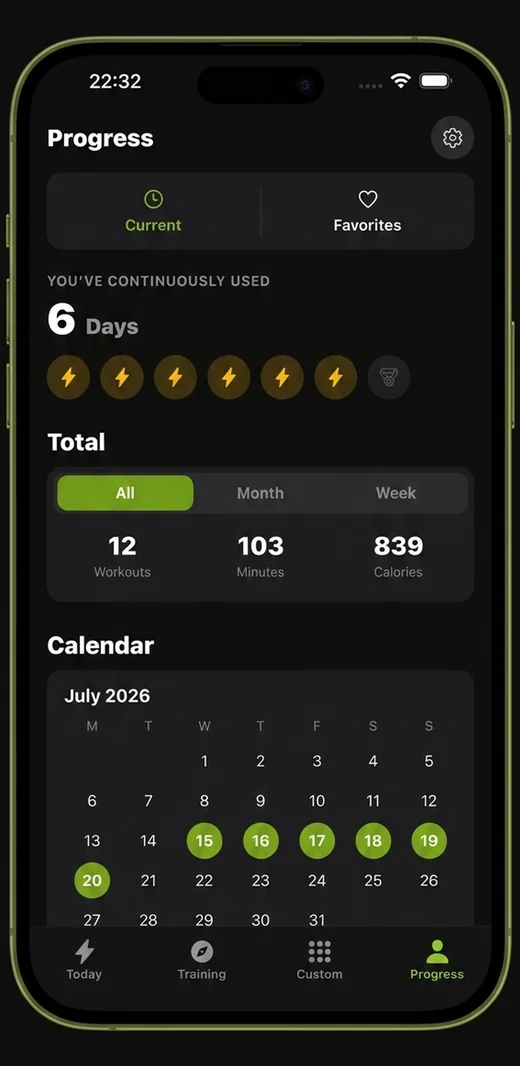
Everything on this site, built into a pocket coach. Military Calisthenics Coach turns the standards into a daily session you can run in a barracks, a garage or a hotel room — timed, tracked and scaled to you.
- A 21-day program that adapts to your level
- Guided timed sessions — no counting, no guessing
- Ranks, streaks and progress you can actually see

Utilizing effective pull up alternatives is not a shortcut; it is a tactical necessity for anyone currently unable to execute a strict rep or lacking access to professional-grade equipment. In military service, the inability to perform a pull-up during a physical fitness assessment is a barrier that must be cleared through progressive overload, not by skipping the movement entirely. Whether you are training for a formal assessment or simply looking to increase your upper-body durability, you must treat your back development with the same rigor you apply to your push up progression. The goal is to isolate the latissimus dorsi and rhomboids, ensuring that when you eventually reach the bar, your body is primed to handle its own weight through the full range of motion.
Understanding the Mechanics of the Pull-Up
The pull-up is an exercise in vertical pulling. It demands significant recruitment of the lats, biceps, and core stabilizers. If you lack the base strength to pull your chin over the bar, you are likely suffering from a deficit in ‘relative strength’—the ratio of your total body mass to the force you can exert. To bridge this gap, we move from vertical pulling to horizontal pulling or assisted vertical movements. If you are starting your journey, familiarize yourself with what military calisthenics is to grasp the importance of these foundational strength standards.
The Horizontal Row: Your Primary Foundation
Before you can pull yourself up, you must be able to pull your body toward a stationary object while your feet are on the ground. A horizontal row—often performed under a sturdy table, a set of rings, or a low bar at a calisthenics park—is the most effective way to build the necessary pulling musculature.
- The Setup: Find a bar set at chest height. Hang underneath with your heels on the ground. Keep your body in a rigid plank position.
- The Execution: Drive your elbows back and down. Squeeze your shoulder blades together at the apex.
- The Standard: Your chest must make contact with the bar on every single repetition. If you cannot hit the chest-to-bar standard, your feet are likely too far forward; shift them further out to decrease the weight load.
No-Equipment Alternatives for the Home Trainee
If you are training calisthenics at home and do not have access to a pull-up bar, you can still develop back strength through high-tension isometric and dynamic work.
The Towel Door Row
This is a classic ‘barracks-style’ move. Tie a knot at the end of a thick towel and drape it over the top of a door. Close the door firmly so the knot is on the opposite side. Hold the ends of the towel and lean back until your arms are straight. Pull your chest toward the door frame while keeping your core tight. This movement mimics the vertical pulling action of a standard pull-up while allowing you to control the resistance through your foot placement.
Floor “Scapular Retraction” Slides
Lie face down on a smooth floor. Extend your arms overhead with your palms down. Keeping your arms perfectly straight, squeeze your shoulder blades together and pull your hands back toward your hips, sliding your palms along the floor. This reinforces the scapular movement pattern essential for a high-quality pull-up. Perform 3 sets of 15 repetitions with a 2-second hold at the end of every rep.
The Bridge Plan: From Rows to First Pull-Up
To move toward your first strict pull-up, you must follow a structured plan. You can integrate this into the 8-week military calisthenics workout plan. Progression is strictly about decreasing assistance over time.
| Week | Exercise | Sets/Reps | Tempo |
|---|---|---|---|
| 1-2 | Incline Rows (High Bar) | 4 x 10 | 2-1-1 |
| 3-4 | Incline Rows (Low Bar) | 4 x 8 | 2-1-1 |
| 5-6 | Negative Pull-Ups | 4 x 4 | 5-0-1 |
| 7-8 | Assisted Pull-Ups (Band) | 4 x 6 | 2-0-1 |
Note: Tempo refers to the eccentric phase (lowering), isometric hold (pause), and concentric phase (pulling).
During the negative pull-up phase (Weeks 5-6), use a chair to jump your chin above the bar. Lower yourself as slowly as humanly possible, aiming for a 5-second count. This builds the eccentric strength required to support your weight on the bar.
Focusing on Scapular Integrity
Most beginners fail their first pull-up not because of their biceps, but because of poor scapular control. You must ‘pack’ your shoulders before you start the pull. Think about pushing your shoulders down away from your ears. If you shrug your shoulders toward your ears at the start of the movement, you lose mechanical advantage immediately. Practice ‘scapular hangs’—simply hanging from a bar and pulling your shoulder blades down without bending your elbows. Spend 30 seconds doing this before every session to ensure your shoulder complex is firing correctly.
Integrating Pulling into Your Weekly Routine
Consistency is the only metric that matters. If you are struggling with your back, incorporate these pulling movements at the start of your calisthenics full body workout while your nervous system is fresh. Do not wait until you are exhausted from push-ups or squats to address your back development.
Frequently asked questions
How many rows should I perform before trying a pull-up?
You should be able to perform 3 sets of 15 strict, chest-to-bar horizontal rows with good form. This indicates you have built enough pulling capacity to manage your body weight effectively in a vertical plane.
How long will it take to get my first pull-up?
If you follow a consistent schedule of 3 sessions per week focusing on rows and negative pull-ups, most beginners see their first strict rep within 6 to 10 weeks. This varies based on your current body composition and total body weight.
Can I use bands for pull-up assistance?
Yes, resistance bands are a standard tool to bridge the gap in the dead-hang to strict pull-up progression. Use the lightest band possible that allows you to complete your prescribed repetitions without sacrificing form or using momentum.
What is the most common mistake when doing pull-up alternatives?
The most common mistake is using momentum or ‘kipping’ rather than strict control. If you cannot complete the movement with a slow, controlled tempo, the intensity is too high; you must regress to an easier variation to ensure you are training the target muscles rather than relying on swing.