Calisthenics vs Weights: A Military Approach to Strength
Understanding calisthenics vs weights is the first step in building functional strength. Learn how to train like the military with these proven methods.

Military Calisthenics Coach
Take the drill with you
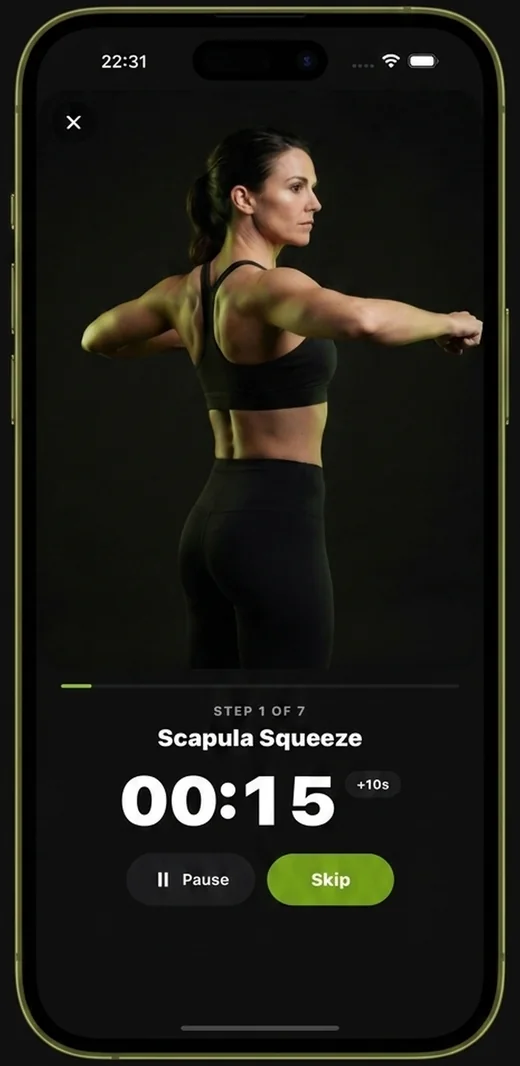
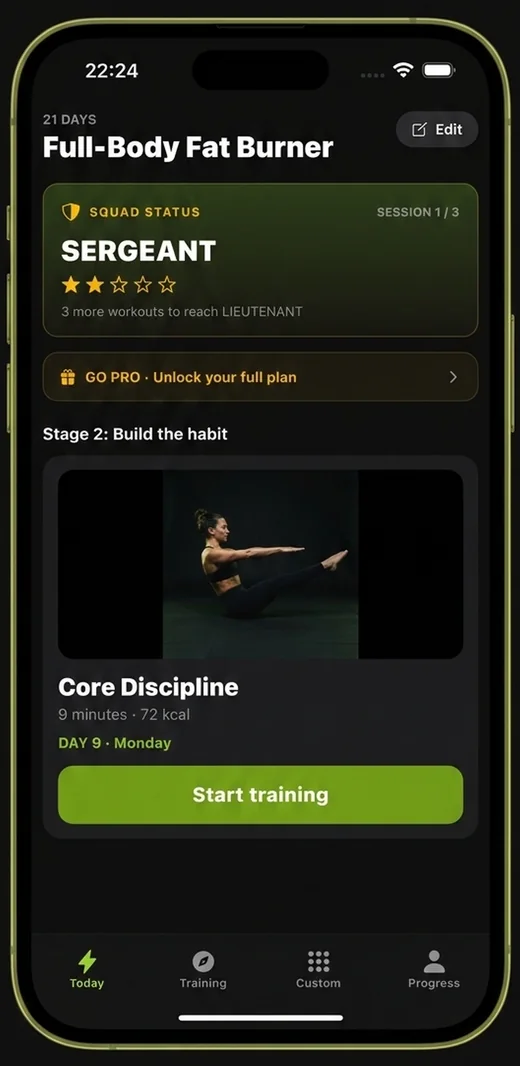
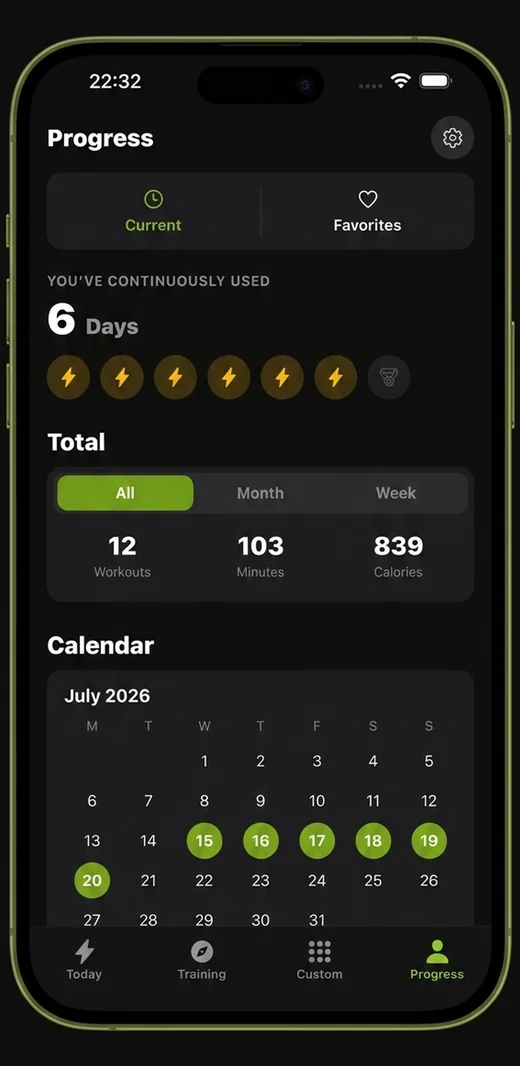
Everything on this site, built into a pocket coach. Military Calisthenics Coach turns the standards into a daily session you can run in a barracks, a garage or a hotel room — timed, tracked and scaled to you.
- A 21-day program that adapts to your level
- Guided timed sessions — no counting, no guessing
- Ranks, streaks and progress you can actually see

When comparing calisthenics vs weights, the fundamental difference lies in utility: bodyweight training forces you to master your own mass, while iron allows you to add external load to isolate specific muscle groups. In the military, the standard is not how much you can bench press, but how effectively you can manipulate your body weight during a ruck march, a climb, or a sustained effort in the field. Military doctrine, such as the US Army FM 7-22, emphasizes movement efficiency and relative strength, meaning your ability to move your own body through space is the primary performance metric. You should approach your training by prioritizing calisthenics to build a foundation of control and stability before introducing external resistance, ensuring you are not just strong, but functionally capable.
The Philosophy of Relative Strength
Relative strength is your maximum force production per unit of body mass. In simple terms, it is your strength-to-weight ratio. If you weigh 200 pounds and perform 10 pull-ups, you have significant relative strength. If you gain 20 pounds of non-functional mass, your relative strength drops even if your absolute strength remains the same. This is why learning what military calisthenics is provides a distinct advantage: you stop viewing your body as a collection of parts and start viewing it as a single unit.
When training beginners, I often see individuals who can lift heavy objects in the gym but struggle to perform a strict set of 10 push-ups. This is a common failure point. To correct this, implement a strict cadence. For any push-up or pull-up variation, use a 2-1-2 tempo: two seconds down, one-second pause at the bottom, and two seconds up. This removes momentum and forces your muscles to do the work.
Calisthenics vs Weight Training: Practicality and Access
The primary advantage of calisthenics is that the barrier to entry is effectively zero. You can perform calisthenics at home or anywhere you have enough floor space. Weights require logistical overhead—gym memberships, equipment maintenance, and travel time. If you are serious about consistent progress, the most effective workout is the one you can actually perform on your busiest days.
Consider the 20-minute no-gear barracks workout as your baseline. It requires zero setup. While weight training offers the benefit of progressive overload through small weight increments, you can achieve similar progressive overload in calisthenics by manipulating leverage. For example, moving from a standard push-up to a diamond push-up increases the difficulty by changing the mechanical advantage rather than adding plates to a bar.
Establishing Measurable Standards
Military physical fitness tests, such as the Marine Corps PFT or the Army ACFT, utilize standardized movements because they are repeatable and easy to measure. You should apply this same standard-driven mindset to your own training. Use a calisthenics workout chart to track your reps and sets. If you are not logging your performance, you are not training; you are merely exercising.
Use the following progression ladder to establish a baseline for your upper-body and lower-body strength. Perform these once a week to test your status.
| Movement | Beginner Standard | Intermediate Standard | Advanced Standard |
|---|---|---|---|
| Strict Push-up | 10 Reps | 30 Reps | 50+ Reps |
| Dead-hang Pull-up | 0 Reps | 5 Reps | 12+ Reps |
| Air Squat | 25 Reps | 50 Reps | 100 Reps |
| Plank | 30 Seconds | 90 Seconds | 3 Minutes |
If you find these standards difficult, do not add weight. Instead, focus on push-up progression and the dead-hang to strict pull-up progression. Mastery of these movements is the prerequisite for any advanced strength training.
When to Introduce Weights
There is a place for external load. Once you can perform high-volume calisthenics with perfect form—for example, 20 clean pull-ups or 50 perfect push-ups—your rate of muscle growth may plateau. At this stage, adding a weight vest or a dip belt allows you to continue applying stress to the muscles without requiring hundreds of repetitive bodyweight reps.
However, never let the desire for weights compromise your calisthenics base. Military training always returns to the basics. If you choose to integrate weights, ensure they support your calisthenics goals rather than replacing them. A common mistake I see is trainees jumping into weighted pull-ups before they have established a strict, full-range-of-motion pull-up. This leads to injury and diminished returns.
Incorporating Structured Programming
Whether you decide on a calisthenics-only path or a hybrid approach, you need a plan. Ad-hoc training leads to ad-hoc results. Follow the 8-week military calisthenics workout plan to ensure you are hitting the major movement patterns: push, pull, hinge, and squat. This plan will teach you how to organize your week for maximum recovery and growth, which is critical when training at high intensities.
Always warm up with 5-10 minutes of dynamic movement. If you are training for ruck-ready conditioning, ensure your calisthenics routine focuses heavily on core stability and posterior chain endurance, as these are the limiting factors when carrying external loads.
Frequently asked questions
Is calisthenics better than weights?
Neither is strictly better; they serve different purposes. Calisthenics is superior for developing relative strength and mastery of movement, while weights are more efficient for targeting specific muscles for hypertrophy or absolute strength. Most people should start with calisthenics to build a solid foundation before considering weight training.
How many days a week should I train?
For most beginners, three to four days of intense training per week is sufficient. This allows for adequate recovery, which is when muscle tissue actually repairs and grows. Use your rest days to focus on mobility and active recovery rather than sitting idle.
Can I build significant muscle without weights?
Yes, you can build significant muscle mass by increasing the volume, intensity, and difficulty of your bodyweight exercises. By adjusting your leverage, tempo, and rest periods, you can provide enough stimulus to trigger muscle growth, especially if you are consistent with your caloric intake and protein consumption.
What if I cannot perform a single pull-up?
This is a common hurdle for many trainees. Focus on eccentric-only movements, where you jump or use a box to get your chin over the bar and then lower yourself as slowly as possible over five seconds. This builds the specific strength required for the full movement without needing external equipment.