Effective Calisthenics Arm Exercises: Build Size and Strength
Master effective calisthenics arm exercises. Learn the best movements to build biceps and triceps using only your bodyweight, the military way.

Military Calisthenics Coach
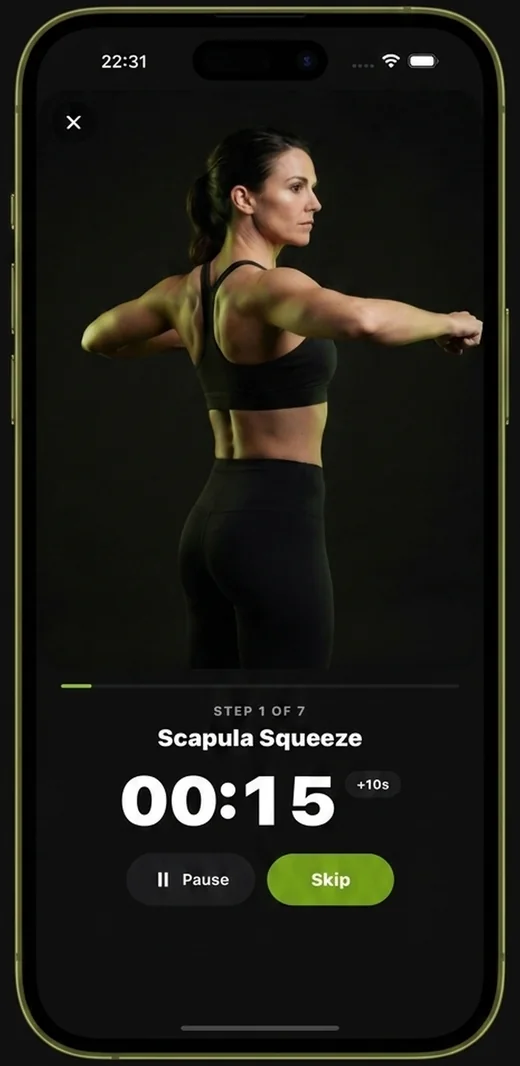
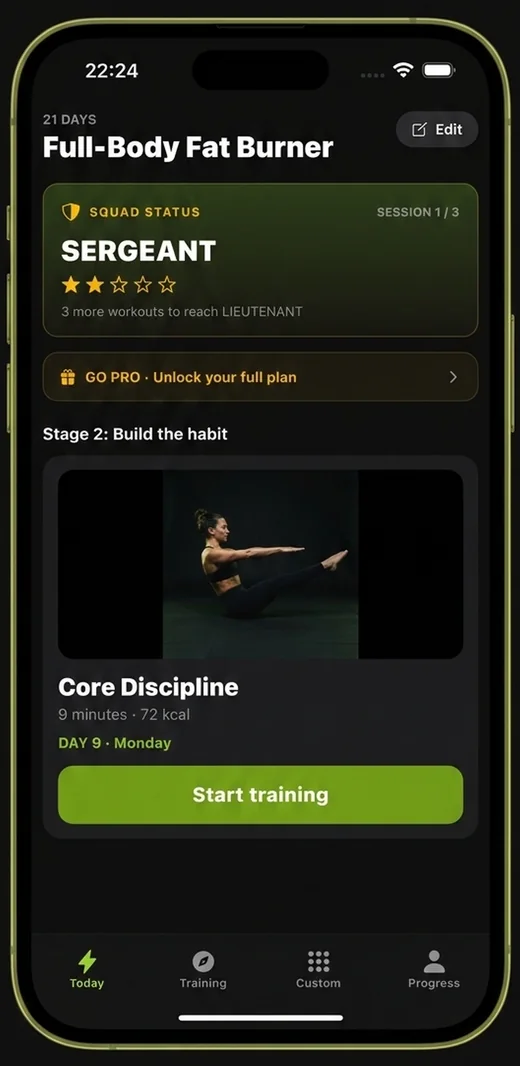
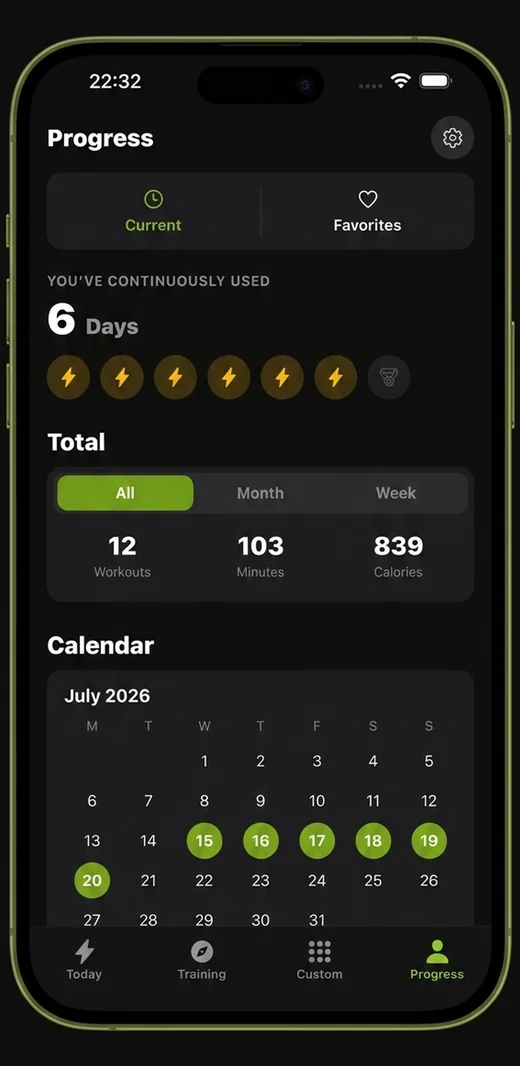
Take the drill with you
Everything on this site, built into a pocket coach. Military Calisthenics Coach turns the standards into a daily session you can run in a barracks, a garage or a hotel room — timed, tracked and scaled to you.
- A 21-day program that adapts to your level
- Guided timed sessions — no counting, no guessing
- Ranks, streaks and progress you can actually see

Effective calisthenics arm exercises rely on the fundamental principles of leverage, tension, and consistent mechanical loading rather than external iron. While the military focuses on functional movement patterns that hit the entire body, the arms are the primary movers in almost every upper-body maneuver, from climbing walls to executing a proper push-up. To develop significant arm strength and hypertrophy, you do not need weights; you need to master the art of manipulating your own body mass through precise angles. If you understand what military calisthenics is, you know that performance comes from mastering the basics—the pull, the press, and the dip—and performing them to an absolute standard of fatigue.
The Anatomy of Bodyweight Arm Training
Many trainees mistakenly believe that to grow arms, they must isolate the bicep with a curling motion. In calisthenics, your arms grow as a secondary response to high-intensity pulling and pushing. Your biceps are the primary drivers in any pulling motion, while your triceps handle the heavy lifting of your body weight during pressing movements. When you commit to a calisthenics at home routine, you are essentially asking your arms to handle the full force of gravity. To trigger growth, you must create enough mechanical tension that the muscle is forced to adapt. This means focusing on time under tension and strict form rather than cheating the movement with momentum.
Targeting the Biceps with Pulling Mechanics
To perform effective calisthenics bicep exercises, you must master the pull-up and the chin-up. A pull-up uses a pronated grip (palms away), which shifts some of the load to the back muscles, whereas a chin-up uses a supinated grip (palms toward), which forces the biceps to take a greater share of the workload. If you are struggling to hit these, start with the dead-hang to strict pull-up progression.
- Form Cue: When performing chin-ups, initiate the pull from your elbows. Think about driving your elbows into your back pockets.
- Standard: Full lockout at the bottom, chin over the bar at the top.
- Scaling: If you cannot perform five clean reps, utilize an eccentric-only method: jump to the top and lower yourself over a five-second count.
Targeting the Triceps with Pushing Mechanics
Triceps are two-thirds of your upper arm volume. If you want larger arms, your tricep training must be prioritized. The most potent tool in your arsenal is the dip. Whether performed on parallel bars or at a local calisthenics park, the dip is the king of tricep development. For beginners, the diamond push-up is the entry point.
- Form Cue: For diamond push-ups, form a diamond with your index fingers and thumbs on the floor. Keep your elbows tucked tight to your ribcage. Do not let them flare out.
- Standard: Chest must touch the hands at the bottom. Full lockout of the elbows at the top.
- Scaling: Perform these with knees on the ground or, more effectively, with your hands elevated on a bench to reduce the lever length.
The Arm Isolation Routine
While compound movements are the priority, you can isolate the arms by adjusting your leverage. Use this sequence at the end of your session, keeping rest periods short to maximize metabolic stress—a core tenant of the 8-week military calisthenics workout plan.
| Exercise | Sets | Reps | Tempo | Rest |
|---|---|---|---|---|
| Chin-ups | 4 | To Failure | 2-0-1-0 | 90s |
| Bench Dips | 3 | 12-15 | 2-1-1-0 | 60s |
| Diamond Push-ups | 3 | 10-12 | 2-0-1-0 | 60s |
| Bodyweight Rows | 3 | 8-12 | 3-0-1-0 | 60s |
Note: The tempo 2-0-1-0 means 2 seconds to lower, 0 seconds pause, 1 second to pull/push, 0 seconds pause. Strictly adhere to these counts to ensure you are not using momentum.
Managing Intensity and Recovery
Military training is built on progressive overload. You cannot keep doing the same three sets of ten reps for months and expect the arms to continue growing. Once you hit the top of the rep range provided in the table above, you must increase the difficulty. This could mean slowing down the tempo further (increasing time under tension) or reducing the rest period by five seconds each week. Beginners often make the mistake of training arms daily. Your triceps and biceps need at least 48 hours to recover between high-intensity sessions. Refer to calisthenics for beginners if you are unsure how to fit this into a weekly schedule.
Establishing Military-Grade Standards
In the military, standards are objective. You either pass or you fail. Do not kid yourself with half-reps. If you don’t fully extend your arms at the bottom of a pull-up, you aren’t training the muscle; you are training your ego. Every repetition must be clean. If your form breaks, stop the set. Recovery and form are the twin pillars of long-term development. Use a calisthenics workout chart to track your reps and ensure you are moving forward, not just moving for the sake of activity.
Frequently asked questions
How many times a week should I train my arms?
For most people, training arms directly through isolation movements 2 to 3 times per week is sufficient. Because compound movements like pull-ups and push-ups already involve the arms, ensure you allow for full recovery between sessions to prevent overuse injuries.
Can I build big arms using only bodyweight exercises?
Yes, you can build significant size and strength by increasing the difficulty of the leverage. As you get stronger, progress from standard movements to more challenging variations like weighted dips or archer push-ups to maintain the necessary stimulus for muscle growth.
How long will it take to see results in my arms?
With consistent adherence to a structured program and a diet that supports muscle gain, you can expect to see noticeable strength increases within 4 to 6 weeks. Visual changes in muscle size typically take longer, usually requiring 8 to 12 weeks of disciplined, high-intensity training.
What is the best exercise for tricep growth?
The dip is the most effective bodyweight exercise for tricep development due to the range of motion and the amount of load placed on the triceps. If you are a beginner, start with bench dips and work your way toward parallel bar dips as your strength improves.